Clinical Implications of Mild Traumatic Brain Injury
Mild traumatic brain injury (mTBI) is often underestimated due to its classification as “mild,” yet it can lead to significant short-term and long-term consequences. Despite a lack of visible bleeding on initial scans, individuals with mTBI can experience a range of symptoms affecting cognitive, emotional, and physical functioning. These symptoms may include headaches, dizziness, fatigue, difficulty concentrating, and mood disturbances. It is essential for healthcare providers to recognize that even without obvious structural damage, the brain can be functioning abnormally after injury.
The clinical implications are particularly concerning in the context of emergency department evaluations. While many patients may present without evidence of intracranial hemorrhage, they may still require careful monitoring and management due to the potential for delayed symptoms or complications. Research indicates that approximately 10-20% of patients with mTBI experience persistent symptoms beyond the immediate post-injury period, raising the importance of thorough assessments and patient education during discharge.
Moreover, the psychological impacts of mTBI, such as post-concussive syndrome, anxiety, and depression, often complicate recovery. These issues underline the necessity for a comprehensive approach that includes not only physical but also mental health support. As a result, emergency physicians should consider patient demographics, such as age and pre-existing health conditions, which may influence recovery trajectories.
Effective communication with patients regarding the nature of their injury and what to expect is critical. It is important to advise patients on symptom monitoring and to provide guidance on returning to normal activities, particularly for those engaged in sports or high-risk occupations. The possibility of recurrent injury should also be discussed, as additional trauma during the recovery phase could exacerbate long-term outcomes.
In summary, while mild traumatic brain injury may not be accompanied by visible signs of serious injury, its implications are far-reaching. Understanding these risks and the behavioral modifications needed post-injury is crucial for improving patient outcomes and enhancing recovery trajectories after mTBI.
Diagnostic Methods and Assessment Protocols
Effective diagnosis of mild traumatic brain injury (mTBI) relies on a combination of clinical evaluations and imaging techniques. When a patient presents to the emergency department following a head injury, the healthcare team conducts a thorough assessment that includes taking a detailed history and performing a physical examination. This initial evaluation is vital, as it allows the clinician to glean insight into the patient’s symptoms, mechanism of injury, and any pre-existing medical conditions that may complicate the diagnosis and management.
History Taking
Gathering a comprehensive history is paramount. Clinicians typically inquire about the specifics of the injury, such as the force of impact, loss of consciousness, and any subsequent symptoms such as dizziness or confusion. The timing and development of symptoms are analyzed to ascertain potential mTBI-related issues. It is also important to assess a patient’s baseline cognitive function by asking about previous head injuries or neurological conditions, which can significantly influence the outcomes for the current injury.
Neurological Examination
A focused neurological examination follows history taking, and it assesses various cognitive functions, reflexes, and physical signs that might indicate more serious intracranial pathology. This examination often includes evaluating the patient’s level of consciousness using the Glasgow Coma Scale (GCS), which can provide crucial information about the severity of the neurological impact. GCS scores can help guide decisions on further imaging or observation.
Imaging Techniques
For patients presenting with mTBI, imaging plays a crucial role, particularly to rule out intracranial bleeding or other acute lesions. Computed tomography (CT) scans are the gold standard for initial evaluation due to their rapid processing and availability in many emergency settings. CT imaging helps visualize hemorrhagic complications that may complicate the clinical picture.
In cases where CT results are normal but there are persistent clinical concerns, practitioners may choose to utilize magnetic resonance imaging (MRI) later in the evaluation to detect subtle injuries or lesions that CT scans may miss. Although MRI is not typically used in the immediate assessment of mTBI in emergency departments due to time constraints, it plays an essential role in follow-up evaluations for persistent symptoms.
Assessment Protocols
Standardized assessment protocols have been developed to aid clinicians in diagnosing mTBI and guiding patient management. The American Academy of Neurology and other organizations recommend structured assessments that include symptom checklists and standardized tests for cognitive function post-injury.
In addition, screening tools such as the Sport Concussion Assessment Tool (SCAT) and the Immediate Post-Concussion Assessment and Cognitive Testing (ImPACT) serve valuable functions in both clinical and research settings, allowing healthcare providers to monitor recovery objectively and sensitively. Regular screenings can help track symptom resolution or identify learning difficulties that require additional support.
Monitoring and Follow-Up
Unquestionably, ongoing monitoring of mTBI patients is crucial, especially since symptoms may evolve after the initial presentation. Emergency departments should develop discharge protocols that include clear instructions regarding symptom tracking and follow-up care. Patients should be educated on red flag symptoms indicating potential complications, such as worsening headache, repeated vomiting, or changes in consciousness, which would necessitate immediate medical reevaluation.
In conclusion, the diagnostic process for mTBI is multifaceted, requiring a blend of history taking, neurological examination, and appropriate imaging. By adhering to established protocols and integrating follow-up care, clinicians can significantly enhance patient outcomes in cases of mTBI, ensuring that even those without initial signs of intracranial hemorrhage receive the attention and support necessary for optimal recovery.
Outcomes and Complications of No Bleeding Cases
Patients presenting with mild traumatic brain injury (mTBI) who do not show signs of intracranial hemorrhage on initial imaging can still experience a broad spectrum of outcomes and potential complications. Despite the absence of observable bleeding, the brain may sustain functional disruptions that manifest in various symptoms over time. Understanding these outcomes is crucial for proper care and long-term management of these patients.
Symptom Persistence
A significant concern for patients with mTBI is the potential for persistent symptoms, often referred to as post-concussion symptoms. Studies indicate that approximately 10-20% of patients experience ongoing issues, which can include headaches, cognitive impairment, balance problems, and emotional disturbances. These symptoms can arise days to weeks after the initial injury, often leading to frustration and anxiety about recovery. Documentation and monitoring of these symptoms are vital, as they can influence both quality of life and the ability to return to daily activities or work.
Neurocognitive Impairments
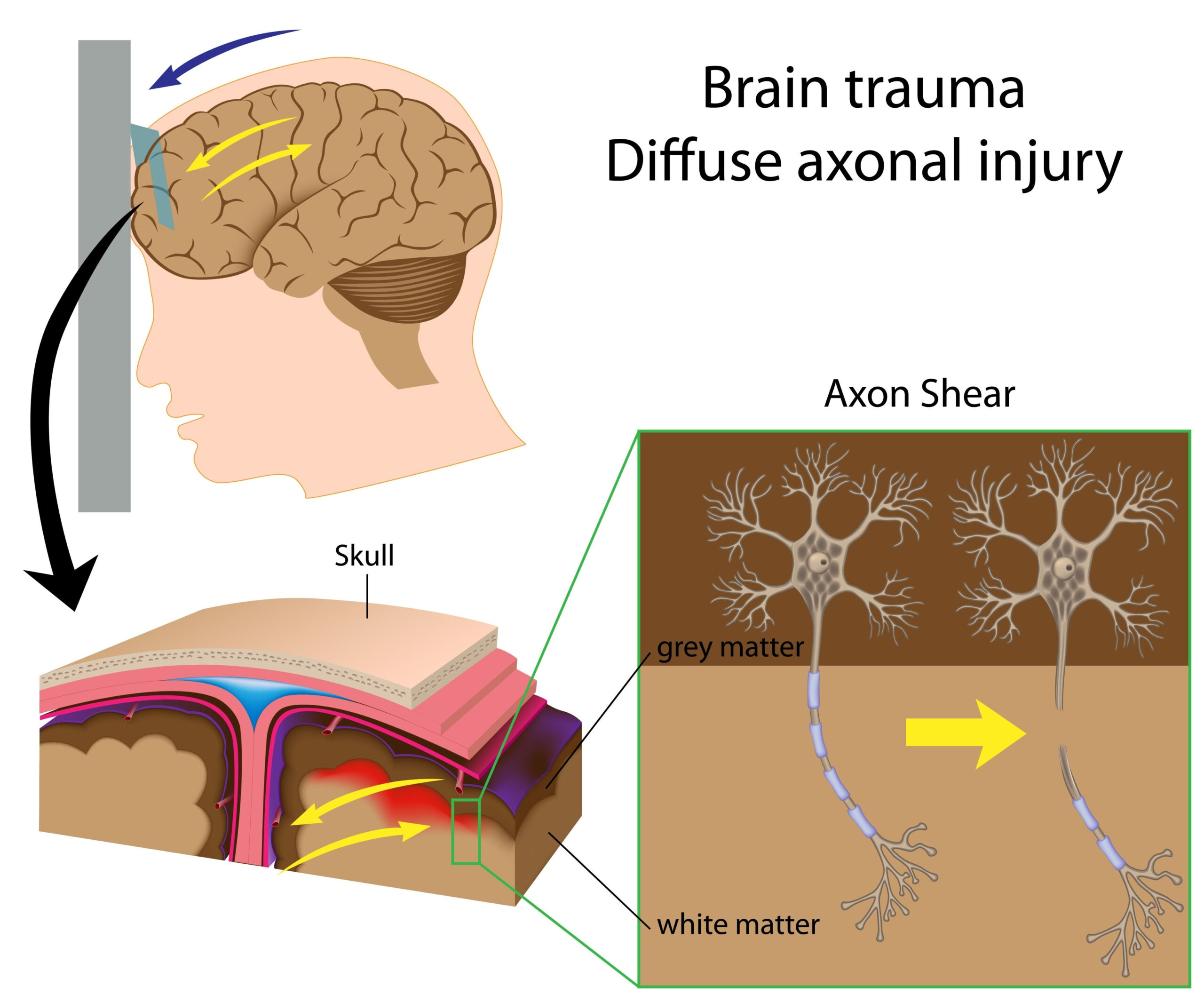
Patients may face neurocognitive challenges even in the absence of visible brain injury. Cognitive impairments can range from difficulties with memory and attention to slower processing speeds, affecting academic and occupational functioning. Research suggests that these cognitive symptoms can be attributed to subtle neuropathological changes following mTBI, which may not be detectable through conventional imaging methods, thereby complicating the assessment and management strategies.
Psychological Consequences
The psychological impact of mTBI is notable. The occurrence of anxiety and depression can increase significantly in patients who have experienced head injuries, even when no intracranial bleeding is detected. The interplay between physical injuries and mental health is complex; mTBI patients may feel isolated or misunderstood, exacerbating their emotional distress. Screening for mental health symptoms during follow-up visits is crucial for early identification and management of these concerns.
Risk of Secondary Injuries
Individuals recovering from mTBI face an increased risk of secondary injuries. During the healing process, the brain may be more susceptible to reinjury, which can lead to cumulative neurological damage. It is imperative for patients to understand the importance of gradual return to activities, particularly those involving contact sports or high-risk environments.
Delayed Complications
Although initial assessments may show no bleeding, complications can still arise over time, including the potential for developing post-traumatic epilepsy or chronic traumatic encephalopathy with subsequent head injuries. Patients should be advised of symptoms that warrant immediate medical attention, such as significant changes in behavior, recurring seizures, or profound loss of consciousness.
Management and Rehabilitation
The absence of intracranial hemorrhage does not imply a need for less intensive management. Effective strategies to address persistent symptoms often involve a multidisciplinary approach, combining physical therapy, cognitive rehabilitation, and mental health support. Education on symptom management, pacing activities, and healthy coping mechanisms can significantly enhance recovery outcomes.
In addition, consistent follow-up care is essential for monitoring progress and adapting rehabilitation efforts as needed. Utilizing standardized assessment tools during follow-ups can help clinicians track symptom improvement over time and facilitate timely interventions should complications arise.
Overall, while mTBI cases without intracranial bleeding may offer a more favorable initial prognosis, the potential for significant and varied outcomes emphasizes the necessity of continued follow-up and a proactive approach to management. By addressing both physical and psychological domains of recovery, healthcare providers can support patients effectively throughout their healing process.
Recommendations for Follow-Up Care
Follow-up care for patients with mild traumatic brain injury (mTBI) is a critical component of the management strategy, especially for those who initially present with no signs of intracranial hemorrhage. Given the potential for delayed symptoms and complications, establishing a structured follow-up plan is essential.
Scheduling Follow-Up Appointments
Patients discharged from the emergency department should be advised to schedule follow-up appointments within a week or two after their initial assessment. This timeline allows healthcare providers to evaluate the progression of symptoms and makes it possible to address any new concerns that may arise. Ideally, follow-up appointments should be conducted by a healthcare provider familiar with mTBI to ensure continuity of care and a detailed understanding of the patient’s injury and recovery trajectory.
Patient Education on Symptom Monitoring
Education plays a pivotal role in the follow-up process. Patients and their caregivers should be informed about potential symptoms that may develop post-injury, such as worsening headaches, difficulties with concentration, emotional instability, and signs of deterioration in mental status. This knowledge empowers patients to seek timely medical attention if they experience concerning changes in their condition. Providing written materials or resources that outline these symptoms can also facilitate greater awareness and encourage proactive communication with healthcare providers.
Integration of Multidisciplinary Care
For optimal recovery, follow-up care should include a multidisciplinary approach, where various specialists collaborate in managing the patient’s rehabilitation. This may involve neurologists, primary care physicians, physical therapists, and mental health professionals. For example, physical therapy may be beneficial for those experiencing balance issues, while cognitive-behavioral therapy could assist patients dealing with anxiety or depression related to their injuries. Establishing a care team ensures that all aspects of recovery are addressed comprehensively, promoting better outcomes.
Assessment for Cognitive and Emotional Recovery
Follow-up visits should incorporate assessments of cognitive and emotional recovery. Standardized questionnaires and cognitive tests can help gauge the patient’s progress and identify any persistent challenges. Screening for psychological disorders, such as anxiety and depression, is also crucial, as these conditions can significantly impact recovery. Should issues arise, timely referrals to mental health professionals should be facilitated to provide necessary support.
Guidance on Returning to Normal Activities
Patients should receive guidance regarding when and how to safely return to routine activities, including work, sports, and daily tasks. Clear recommendations about limiting physical exertion, avoiding activities with a risk of head impact, and gradually resuming duties can prevent secondary injuries during recovery. For athletes, a stepwise return-to-play protocol should be established, outlining a safe progression back to full participation in sports.
Monitoring for Long-Term Complications
It’s important for healthcare providers to remain vigilant for any long-term complications that may develop following an mTBI. While initial imaging may show no alarming signs, chronic issues such as post-traumatic headaches or cognitive difficulties can surface later. Continued monitoring during follow-ups will help to identify these problems early, allowing for timely interventions.
Encouraging Patient Self-Advocacy
Patients should be encouraged to advocate for their own health by maintaining open lines of communication with their healthcare team. Documenting their symptoms and any changes can serve as a valuable tool during follow-ups, enabling more personalized care based on individual experiences and concerns. Empowering patients in their recovery journey is pivotal for adherence to treatment recommendations and fostering a sense of control over their health outcomes.
In summary, effective follow-up care for patients with mTBI is multifaceted and involves continuous monitoring, patient education, a collaborative healthcare approach, and clear guidelines for resuming normal activities. Addressing both immediate and long-term needs will support recovery and minimize the risk of persistent complications.