Background and Rationale
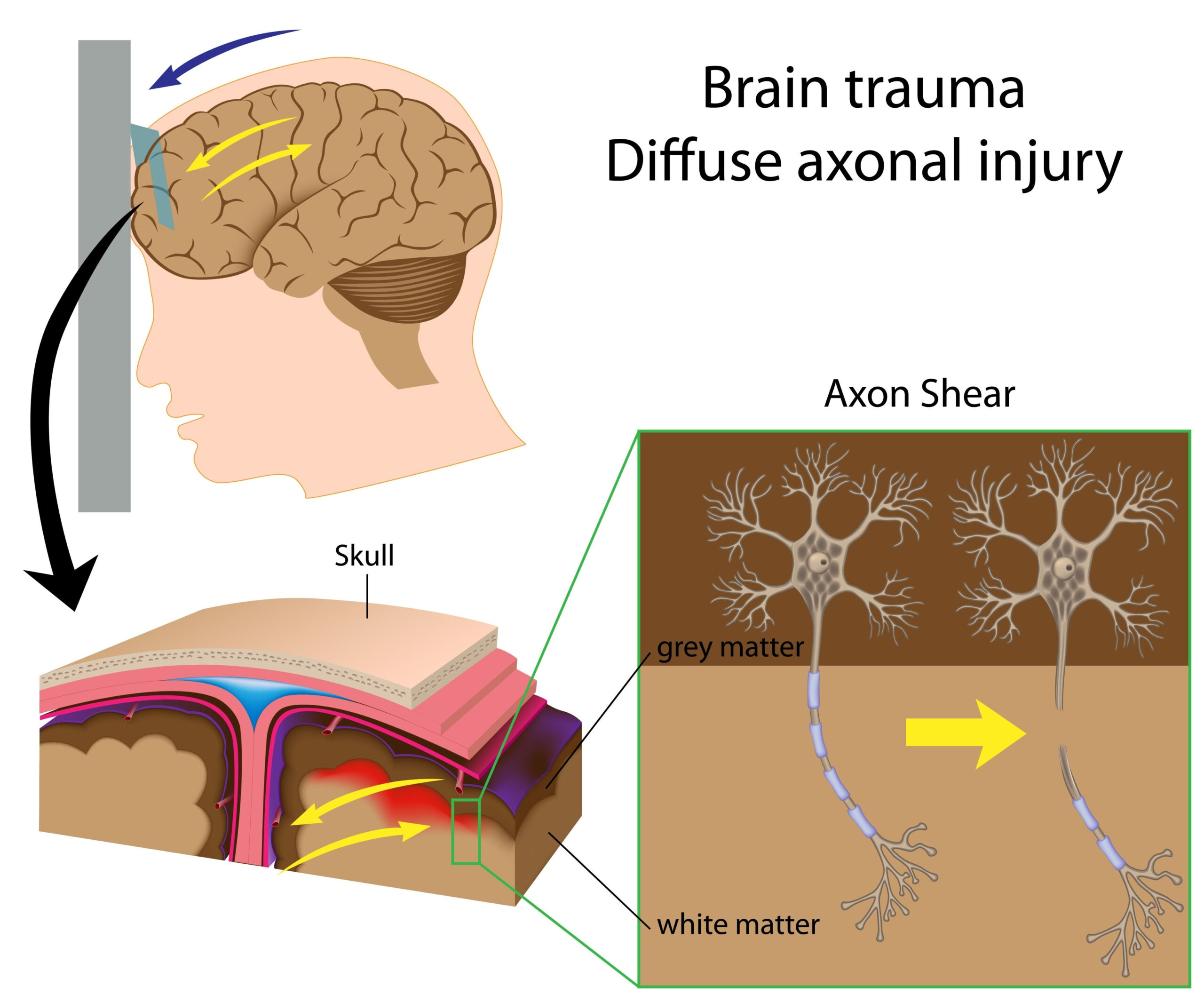
Mild traumatic brain injury (mTBI) is a prevalent condition often resulting from incidents such as falls, sports injuries, or vehicle accidents. Despite being termed “mild,” these injuries carry the potential for serious neurological consequences, particularly in the days, weeks, and even months following the trauma. An area of increasing concern within the mTBI landscape is the occurrence of traumatic microbleeds, which are small areas of bleeding in the brain that can be detected through advanced imaging techniques such as MRI.
Research has suggested that these microbleeds may serve as significant indicators of brain injury severity and may be linked to poor outcomes in patients. Understanding the implications of these microbleeds is vital for medical practitioners as it may influence treatment plans and patient prognosis. Notably, the presence of microbleeds has been associated with long-term cognitive and psychological impairments, as well as other deleterious effects on health.
The TRACK-TBI (Transforming Research and Clinical Knowledge in Traumatic Brain Injury) Study provides a critical platform for examining the relationship between traumatic microbleeds and patient outcomes following mTBI. This multicenter study aimed to enhance our comprehension of brain injury effects by evaluating a diverse cohort of participants across various settings. The rationale behind this large-scale investigation was to gather findings that could lead to improved clinical predictions, targeted therapies, and ultimately, better recovery trajectories for mTBI patients.
As an initial step in this ongoing endeavor, it is essential to establish a clear connection between the presence of traumatic microbleeds and the long-term consequences these patients may face. By comprehensively analyzing data from individuals with mTBI, researchers can potentially identify specific biomarkers that correlate with adverse outcomes, thereby facilitating early interventions and tailored rehabilitation strategies. Building this knowledge base contributes to a wider understanding of mTBI’s complexities and underscores the importance of continuous investigation in this critical area of neuroscience.
Participants and Data Collection
The TRACK-TBI Study engaged a diverse group of participants to ensure a comprehensive understanding of the effects of mTBI across various demographics and clinical contexts. The study enrolled individuals who had suffered mild traumatic brain injuries within a specific timeframe post-injury, allowing for the timely gathering of relevant data. Participants were recruited from multiple centers, enhancing the external validity of the findings by including a wide spectrum of cases from urban emergency departments to specialized trauma units.
Inclusion criteria were carefully defined to ensure that all subjects had a confirmed diagnosis of mTBI, classified according to established guidelines. Patients with a Glasgow Coma Scale score of 13-15—indicative of mild injury—were eligible, provided they did not exhibit more serious head trauma or significant pre-existing neurological conditions. This careful selection aimed to create a representative cohort that mirrors real-world scenarios.
Upon enrollment, extensive data collection was conducted, utilizing both clinical assessments and advanced imaging techniques. Participants underwent MRI scans to detect the presence of traumatic microbleeds and to assess other potential intracranial injuries. The imaging protocols were standardized to minimize variability and ensure consistency in capturing relevant brain alterations. Additionally, demographic data—including age, sex, and socioeconomic status—were collected to facilitate an analysis of how these factors might interplay with injury outcomes.
Clinical evaluations were performed by trained medical professionals, who collected comprehensive medical histories, neurological examinations, and psychometric assessments. These evaluations aimed to catalog pre-existing health conditions, cognitive functioning, mood disorders, and other psychosocial factors that could influence recovery trajectories after mTBI.
The study also incorporated follow-up assessments at multiple intervals post-injury, including three and twelve months. This longitudinal approach provided insights into the progression of symptoms and recovery patterns over time. Participants were surveyed regarding their quality of life, cognitive abilities, and emotional well-being, allowing researchers to correlate initial injury data with long-term outcomes effectively.
The meticulous design of participant selection and the robust data collection process in the TRACK-TBI Study are crucial in establishing a clearer link between traumatic microbleeds and adverse outcomes. By focusing on both immediate and extended post-injury phases, this research aims to uncover critical factors that influence recovery and inform clinical practice, contributing to the overarching goal of improving care for individuals with mTBI.
Results and Analysis
The results derived from the TRACK-TBI Study illuminate significant correlations between the presence of traumatic microbleeds and various negative outcomes in individuals recovering from mild traumatic brain injury (mTBI). Through comprehensive imaging analysis and longitudinal follow-up, the data revealed that the occurrence of these microbleeds is not merely a benign finding but rather serves as a meaningful biomarker for predicting recovery trajectories.
The study identified traumatic microbleeds in a considerable proportion of participants, highlighting their prevalence in the mTBI population. Quantitative imaging analyses showed that patients with microbleeds demonstrated substantially poorer cognitive performance over time when compared to those without these lesions. Neuropsychological testing revealed that cognitive domains such as memory, attention, and executive function were notably affected, suggesting that microbleeds may impair brain regions associated with these critical functions.
Importantly, the association between microbleeds and negative emotional outcomes was also evident. Participants with microbleeds reported increased levels of anxiety and depression, indicating that the physiological damage characterized by microbleeds may extend beyond cognitive impairments to adversely affect mental health. This interplay between physical and psychological domains highlights the multifaceted nature of recovery following mTBI, where both neurological and emotional rehabilitation must be addressed.
The longitudinal aspect of the study provided essential insights into the temporal dynamics of recovery. Data indicated that while some individuals began with mild deficits post-injury, those with traumatic microbleeds were less likely to show improvement at the 12-month follow-up. This pattern suggests that micromorphological changes in the brain associated with trauma may lead to persistent dysfunction, thereby influencing the long-term well-being of mTBI patients.
Statistical analyses reinforced these observations, revealing that the presence and number of microbleeds could be predictive of adverse outcomes across various domains. The findings suggest that a threshold effect may exist; for instance, individuals with multiple microbleeds exhibited even greater cognitive deficits and emotional disturbances compared to those with fewer lesions. This relationship posits a potential risk stratification model, wherein the severity of immediate post-injury imaging findings could inform clinicians about the likely trajectory of recovery.
By facilitating a nuanced understanding of the interplay between traumatic microbleeds and recovery outcomes, the TRACK-TBI Study underscores the importance of early identification and monitoring. It suggests that imaging consultations should become an integral part of the assessment protocol for mTBI patients. Clinicians may benefit from utilizing these biomarkers to tailor intervention strategies that address both cognitive and psychological components.
Overall, the data generated from the TRACK-TBI Study not only highlight the prevalence of traumatic microbleeds but also provide compelling evidence of their association with long-term impairments. These findings pave the way for future research that could further explore the mechanisms underlying microbleeds and their impact on brain health, ultimately leading to better clinical practices and improved recovery methods for individuals afflicted with mTBI.
Future Research Directions
As the TRACK-TBI Study has revealed significant associations between traumatic microbleeds and unfavorable outcomes following mild traumatic brain injury (mTBI), it opens several intriguing avenues for future research. One critical direction involves investigating the underlying mechanisms that lead to the formation of microbleeds and their subsequent impact on neural functioning. Understanding these biological processes could reveal new therapeutic targets and strategies aimed at mitigating the effects of mTBI.
Moreover, longitudinal studies that extend beyond the 12-month mark are essential. While the initial findings provide insights into the year following an injury, many mTBI patients continue to experience symptoms well beyond this period. Long-term follow-up could help elucidate whether the presence of microbleeds correlates with prolonged cognitive and emotional deficits, guiding clinicians in long-term care plans.
Another significant area of exploration would be the impact of various treatment interventions on patients with traumatic microbleeds. Researchers could design studies to assess whether targeted rehabilitation strategies—such as cognitive therapy, physical therapy, or pharmacological interventions—can effectively ameliorate the negative outcomes associated with these brain changes. By establishing efficacy, clinicians could develop personalized treatment plans based on the presence and extent of microbleeds.
Expanding the participant demographic is also vital for future studies. The TRACK-TBI Study included a diverse cohort; however, there is still a need for more extensive representation across different age groups, ethnic backgrounds, and pre-existing health conditions. This inclusivity would enhance the generalizability of findings, allowing researchers to better understand how social determinants of health and demographic factors influence recovery outcomes in the context of traumatic microbleeds.
Research into the use of machine learning and artificial intelligence to analyze imaging data could provide further insights. By leveraging these advanced statistical techniques, researchers might identify patterns and predictive markers that were previously overlooked. Such innovations could lead to the development of algorithms predicting which patients are at the highest risk for persistent deficits following an mTBI.
The relationship between microbleeds and comorbid conditions, such as post-traumatic stress disorder (PTSD) or chronic pain syndromes, warrants additional investigation. Insights into how microbleeds interact with other neurological or psychological conditions could enhance our understanding of patient experience and recovery and inform holistic approaches to treatment.
Finally, educating healthcare professionals about the implications of traumatic microbleeds remains a necessary effort. Dissemination of knowledge surrounding these findings can empower clinicians to integrate advanced neuroimaging into routine assessments, thereby improving early detection and intervention for at-risk patients. Workshops and training sessions could help bridge the gap between research and clinical practice, ensuring that emerging evidence translates into better patient outcomes.
Continuing to build on the findings of the TRACK-TBI Study, future research initiatives hold the potential to transform how we approach mTBI, with innovative strategies aimed at prevention, early detection, and management of traumatic microbleeds.