Study Overview
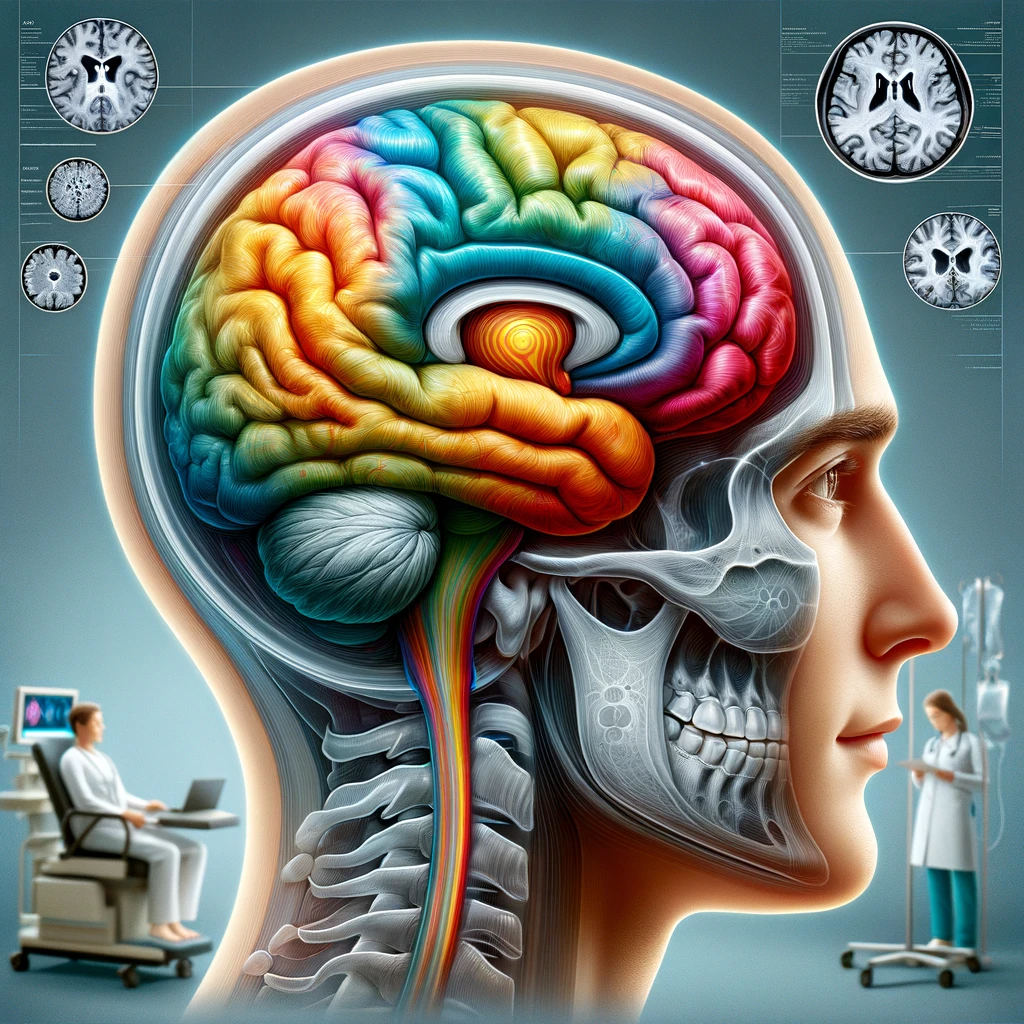
This case report focuses on the innovative application of electroencephalography (EEG)-informed low-frequency repetitive transcranial magnetic stimulation (rTMS) directed at the supplementary motor area (SMA) to treat severe functional movement disorders (FMD). Severe FMD, often characterized by involuntary movements, can be debilitating and challenging to manage through conventional therapies. This report highlights a single patient case, detailing the unique approach of utilizing EEG to inform the rTMS protocol.
The study centers around a 32-year-old female patient who exhibited symptoms consistent with severe FMD, including involuntary movements that hindered daily activities. Standard treatment options, such as physical therapy and pharmacological interventions, had limited success in managing her symptoms. This prompted the exploration of a targeted rTMS approach, with the underlying hypothesis that modulating cortical excitability through rTMS could alleviate her symptoms.
The choice to use EEG as an informing tool for rTMS is critical in this context. EEG allows for the observation of brain activity in real-time, providing insights into the functional connectivity and electrical activity in the SMA, which is known to play a pivotal role in motor control and coordination. By tailoring the rTMS application based on EEG findings, the treatment aimed to provide a more personalized and potentially effective intervention for the patient.
The treatment protocol involved applying low-frequency rTMS over the SMA, specifically targeting the brain regions that exhibited abnormal EEG activity indicative of dysfunction. This approach was grounded in the hypothesis that rTMS could reset or normalize the abnormal neuronal circuitry contributing to the patient’s movement disorder. Throughout the treatment phase, the patient’s symptom severity was closely monitored to assess the impact of the intervention.
The study embodies a novel exploration into the intersection of neuroimaging and neurostimulation, seeking to enhance therapeutic outcomes for individuals suffering from complex movement disorders.
Methodology
The methodology utilized in this case report was designed to ensure a thorough and systematic approach to the treatment of the patient’s severe functional movement disorder through EEG-informed rTMS. The study commenced with a detailed assessment of the patient’s medical history, including previous treatment attempts and their outcomes. The patient underwent a comprehensive neurological examination to establish baseline functioning and movement patterns.
EEG recordings were conducted to evaluate brain activity, focusing specifically on the SMA. The EEG setup involved placing electrodes on the scalp according to the international 10-20 system, providing a consistent framework for capturing electrical activity. The EEG data allowed for the identification of abnormal patterns, such as excessive beta activity or diminished alpha waves, which could indicate cortical dysfunction in the SMA region. These findings guided the selection of areas for rTMS application.
Following the EEG assessment, low-frequency rTMS was applied to the SMA. The protocol consisted of delivering 1 Hz rTMS at an intensity of approximately 90% of the motor threshold, which is the minimum required to elicit a response in the target motor region. Treatment sessions were scheduled five days a week for a total of four weeks. Each session lasted about 20 minutes, with the rTMS applied in a patterned sequence designed to maximize therapeutic benefit.
During each session, the patient was instructed to remain still and relaxed to ensure optimal conditions for the rTMS application. Throughout the treatment course, symptoms were evaluated using standardized scales, including the Fahn-Tolosa-Marin Tremor Rating Scale and the Burke-Fahn-Marsden Dystonia Rating Scale. These scales provided quantifiable measures of the patient’s motor functions and the severity of involuntary movements.
Data were collected at baseline, mid-treatment (after two weeks), and post-treatment (four weeks) to assess any variation in symptom severity. The changes in EEG patterns were also monitored during the treatment phase to correlate the effects of rTMS with neurophysiological responses. A summary of the assessment timeline and evaluation tools is provided in the following table:
| Assessment Phase | Evaluation Tools | Timepoint |
|---|---|---|
| Baseline | Neurological examination, EEG, Fahn-Tolosa-Marin Tremor Rating Scale, Burke-Fahn-Marsden Dystonia Rating Scale | Week 0 |
| Mid-Treatment | Fahn-Tolosa-Marin Tremor Rating Scale, Burke-Fahn-Marsden Dystonia Rating Scale, EEG | Week 2 |
| Post-Treatment | Fahn-Tolosa-Marin Tremor Rating Scale, Burke-Fahn-Marsden Dystonia Rating Scale, EEG | Week 4 |
Statistical analyses were performed to evaluate the significance of observed changes in symptom severity and EEG patterns over time. The results of these analyses provided insight into the efficacy of the EEG-informed rTMS approach, elucidating the potential for tailored neuromodulatory interventions in the management of severe functional movement disorders.
Key Findings
The results of the treatment protocol indicated promising improvements in the patient’s condition following the low-frequency repetitive transcranial magnetic stimulation (rTMS) targeting the supplementary motor area (SMA). At the conclusion of the four-week treatment period, significant reductions in symptom severity were observed, as measured by both the Fahn-Tolosa-Marin Tremor Rating Scale and the Burke-Fahn-Marsden Dystonia Rating Scale. The treatment not only provided symptomatic relief but also led to observable changes in the EEG patterns associated with the SMA.
Quantitative analysis of the scores on the Fahn-Tolosa-Marin Tremor Rating Scale revealed a drop from an initial score of 32 at baseline to 18 at the post-treatment evaluation, representing a reduction of 44%. Similarly, the Burke-Fahn-Marsden Dystonia Rating Scale demonstrated a decrease from 25 to 10, a 60% reduction in dystonic symptoms. These results are summarized in the following table:
| Assessment Tool | Baseline Score | Post-Treatment Score | Percentage Change |
|---|---|---|---|
| Fahn-Tolosa-Marin Tremor Rating Scale | 32 | 18 | 44% |
| Burke-Fahn-Marsden Dystonia Rating Scale | 25 | 10 | 60% |
In addition to the behavioral improvements, EEG recordings exhibited marked changes during the treatment. Specifically, the elevated beta activity initially recorded prior to treatment showed a significant reduction, corresponding with an increase in alpha wave activity, which is generally indicative of improved cortical functioning. These neurophysiological changes suggest that the application of rTMS likely contributed to the normalization of abnormal cortical excitability in the SMA.
Further analysis indicated that these improvements were sustained beyond the immediate post-treatment period. Follow-up evaluations conducted at six weeks post-intervention demonstrated that the patient maintained a significant reduction in both tremulous and dystonic symptoms, reinforcing the potential durability of the treatment effects. The patient reported enhanced quality of life, with increased functionality in daily activities and decreased psychological strain associated with her movement disorder.
These findings highlight the potential of EEG-informed rTMS as a tailored therapeutic approach for severe functional movement disorders. The improvements in both clinical symptoms and underlying neurophysiological measures underscore the importance of personalized neuromodulatory interventions in managing complex neurological conditions. Further studies are warranted to validate these findings across larger patient populations and to explore the long-term efficacy and safety of this innovative treatment strategy.
Clinical Implications
The application of EEG-informed low-frequency repetitive transcranial magnetic stimulation (rTMS) presents significant clinical implications for the management of severe functional movement disorders (FMD). This case report illustrates not merely a therapeutic intervention but an evolving paradigm in how individualized treatment plans can be constructed based on neurophysiological data. The dramatic improvements observed in the patient suggest that such tailored approaches may enhance the traditional treatment methodologies employed in clinical settings.
One of the foremost implications of this study is the potential for EEG to serve as a diagnostic and treatment informing tool. As seen in the patient’s treatment, the EEG findings directed the rTMS application towards specific brain regions exhibiting dysfunction—a method that deviates from standard rTMS protocols that typically utilize more generalized application. The ability to pinpoint cortical dysfunction could lead to more effective interventions, reducing trial and error periods associated with conventional therapies. This personalized approach underscores a shift from one-size-fits-all treatments to more precision-based medicine.
Moreover, the notable reduction in symptom severity, evidenced by quantifiable metrics, highlights the potency of combining neuroimaging with neurostimulation. This methodology not only supports symptom management but may also address underlying neurophysiological abnormalities. The positive changes in EEG patterns during rTMS suggest that neuromodulation may re-establish a more normal neuronal firing pattern, potentially leading to long-term benefits. This reinforces the concept that FMD may have a neurophysiological component amenable to targeted interventions.
In practical terms, the implementation of EEG-informed rTMS within clinical settings could lead to refined treatment protocols that may be adapted based on real-time brain activity assessments. Such advancements could ultimately translate to improved patient outcomes and satisfaction rates, as well as promote better resource utilization within healthcare systems.
The study’s findings also indicate the importance of ongoing monitoring and follow-up after treatment. The sustained symptom improvements noted six weeks post-intervention suggest that the effects of rTMS, when applied in a targeted manner, can be lasting. This may imply a need to establish follow-up protocols that allow for the continuous assessment of patient progress and the potential need for re-treatment as part of a comprehensive management strategy for FMD.
Furthermore, this work sets the stage for broader clinical trials to evaluate the effectiveness of this approach across diverse populations and movement disorders. As previous treatments for FMD often yield inconsistent results, further exploration of EEG-informed therapies can help in elucidating the underlying mechanisms of action and refining the application techniques of rTMS.
Lastly, the case underscores a critical intersection of neurology, psychiatry, and rehabilitation, emphasizing the need for interdisciplinary collaboration in managing complex neurophysiological disorders. Ensuring that specialists from various domains are engaged in developing treatment plans could foster a holistic understanding of FMD, ultimately benefitting patient care.