Medical professionals

Recognising subtle signs of post concussion syndrome

Recognising subtle signs of post concussion syndrome

Post concussion syndrome often manifests through subtle but persistent symptoms that are easy to overlook or misattribute—ranging from mental fatigue and mood changes to dizziness and visual strain. These signs may surface long after the initial injury and are frequently missed without careful clinical assessment and a thorough patient history. Understanding the hidden complexities of PCS is crucial for timely diagnosis and effective care.

Recognising subtle signs of post concussion syndrome Read Post »

Latest guidelines for mild traumatic brain injury assessment

Latest guidelines for mild traumatic brain injury assessment

Mild traumatic brain injury, commonly known as concussion, involves subtle yet significant disruptions to brain function following external force. Updated clinical guidelines emphasise structured evaluation, recognising that symptoms may be transient but complex. Diagnosis relies heavily on clinical assessment rather than imaging, with emerging tools supporting decision-making. Careful follow-up, patient education, and graduated return-to-activity protocols are essential to promote recovery and prevent complications, reflecting an evolving, patient-centred approach to this heterogeneous condition.

Latest guidelines for mild traumatic brain injury assessment Read Post »

Post concussion syndrome diagnosis and management strategies

Post concussion syndrome diagnosis and management strategies

Post concussion syndrome (PCS) is a complex condition where symptoms persist long after a mild traumatic brain injury. With physical, cognitive, emotional, and sleep-related symptoms varying widely by individual, accurate early diagnosis is critical. Factors like previous concussions, mental health history, and neurochemical changes influence recovery. Multidisciplinary, personalised treatment strategies, including rehabilitation, psychological support, and graded exercise, are key to promoting functional restoration and improving long-term outcomes.

Post concussion syndrome diagnosis and management strategies Read Post »

Understanding mild traumatic brain injury in clinical practice

Understanding mild traumatic brain injury in clinical practice

Mild traumatic brain injury (mTBI) involves subtle yet significant disruptions to brain function following a head impact, often without visible damage. Symptoms can be wide-ranging, from cognitive difficulties to emotional and physical challenges, sometimes persisting long after the injury. Accurate diagnosis relies on clinical judgment, supported by imaging and cognitive assessments. Rehabilitation adopts a multidisciplinary approach, aiming to restore functional abilities and mitigate long-term complications. Despite its “mild” label, mTBI can profoundly affect recovery trajectories, demanding careful clinical management and ongoing research into new therapeutic strategies.

Understanding mild traumatic brain injury in clinical practice Read Post »

Shutterstock 1423084877 Scaled

Chronic Cognitive Impairment Following Traumatic Brain Injury: A Closer Look

This article provides a comprehensive analysis of the multifaceted impacts of traumatic brain injury (TBI), with a specific focus on mild traumatic brain injuries (mTBIs) or concussions. It explores the prevalence and characteristics of cognitive impairments post-TBI, delving into the diverse and significant challenges they pose to individuals. The mechanisms and pathophysiology underlying these cognitive impairments are examined, highlighting the complex biochemical, cellular, and physiological changes involved. Furthermore, the article investigates the critical role of personality traits, psychological factors, and social determinants in the recovery and long-term outcomes of TBI. The interplay between these factors underscores the necessity of a holistic approach to TBI treatment and rehabilitation, emphasizing the importance of personalized care. Through this multidisciplinary analysis, the article aims to enhance understanding of TBI impacts, advocate for comprehensive care strategies, and propose directions for future research and policy development to improve the lives of individuals affected by TBI.

Chronic Cognitive Impairment Following Traumatic Brain Injury: A Closer Look Read Post »

Shutterstock 2260107799 Scaled

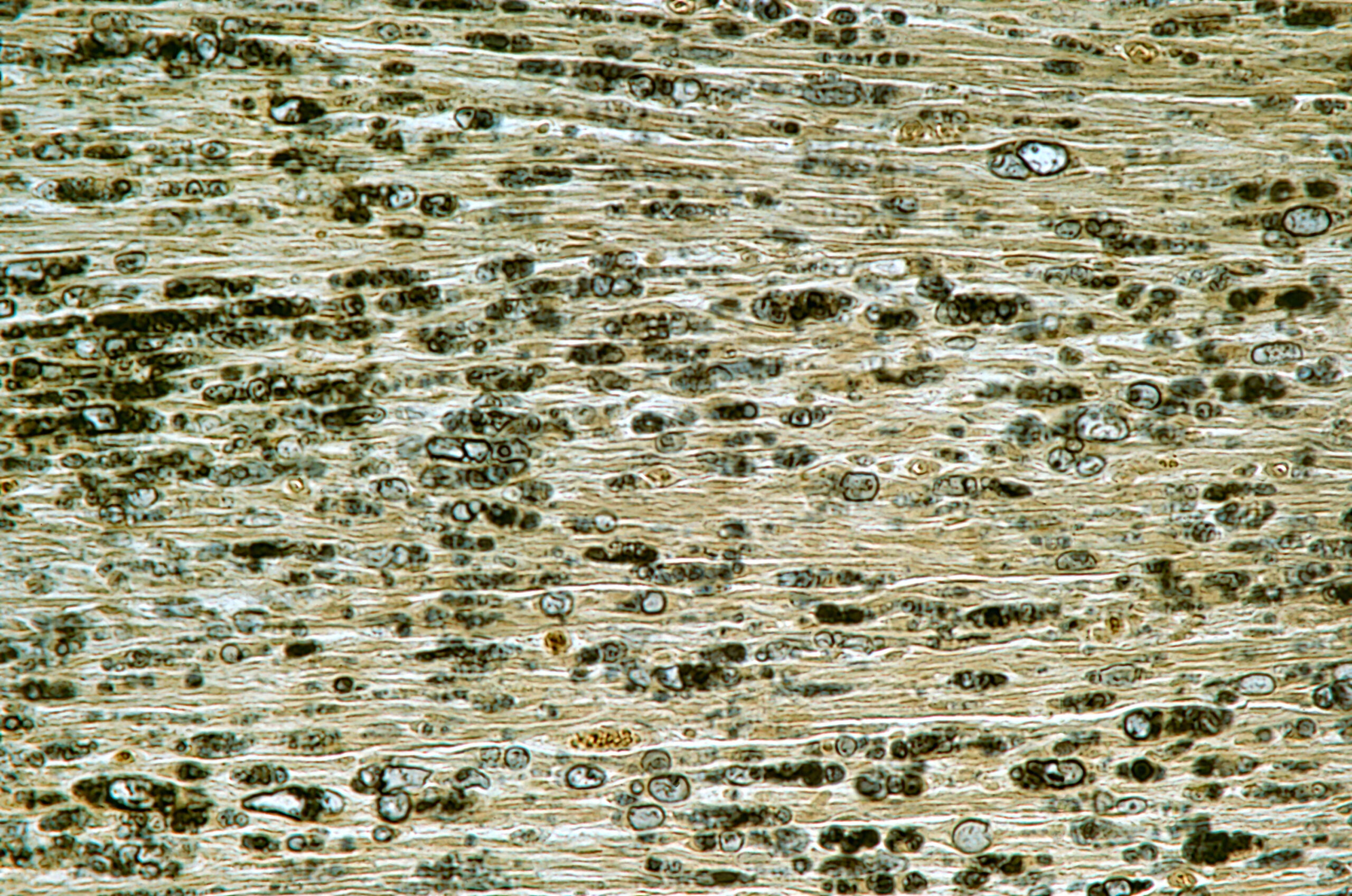
Brain Pathology in the Context of Concussion History

Exploring the intricate relationship between concussion history and brain pathology reveals a complex interplay of symptoms and conditions extending beyond the traditional focus on chronic traumatic encephalopathy (CTE). This overview delves into the multifaceted clinical manifestations and neuropathological outcomes associated with repeated head trauma, highlighting the role of DNA damage and the necessity for a broader diagnostic and therapeutic approach. As research unveils the varied mechanisms underlying concussion-related brain changes, it emphasizes the importance of personalized medicine in addressing the long-term effects of concussions, fostering a deeper understanding that could revolutionize patient care

Brain Pathology in the Context of Concussion History Read Post »

Mri 782457 1280

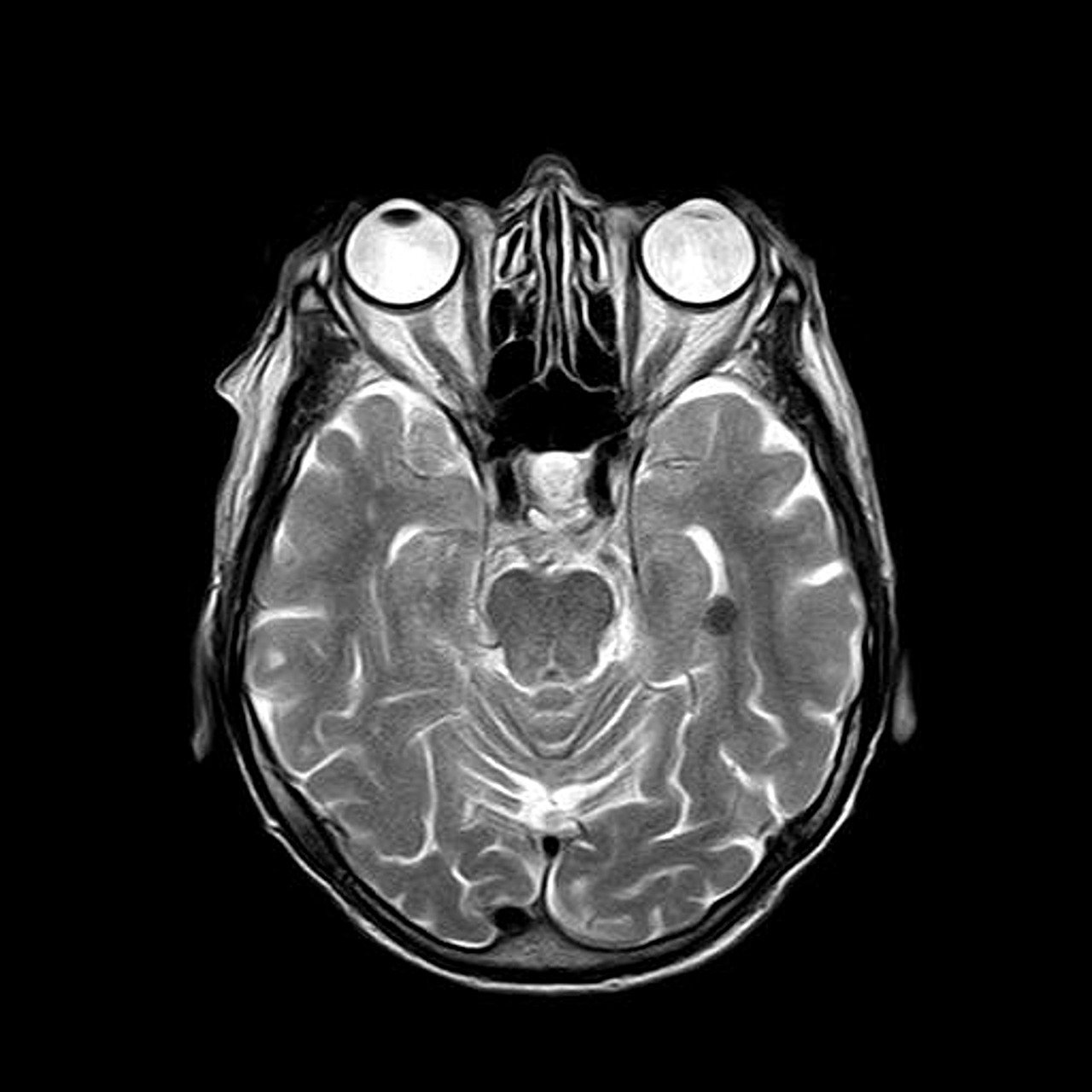
Understanding the Pathophysiology of Post-Traumatic Epilepsy

Astrocytes, traditionally viewed as mere support cells, play a pivotal role in the development of post-traumatic epileptogenesis (PTE). They are involved in maintaining ionic homeostasis, the integrity of the blood-brain barrier, neurotransmitter metabolism, and neuronal energy supply. Furthermore, astrocytes are instrumental in modulating neuronal activity, including the exchange of neuronal pyruvate for astrocytic lactate, which enhances neuronal metabolism. They also participate in synaptic information processing by modulating neurotransmitter uptake and release. The activation of astrocytes, a key component of the neuroinflammatory response to traumatic brain injury (TBI), contributes significantly to the pathophysiology of PTE. Astrocytes respond to axonal degeneration, neuronal cell death, and the release of inflammatory factors, which can alter their physiological functioning and impact epileptogenesis. Studies have shown functional changes in astrocytes in epileptic conditions, such as reduced potassium currents and altered gap junction coupling, which are key factors in the development of epilepsy.


Understanding the Pathophysiology of Post-Traumatic Epilepsy Read Post »

Scroll to Top