Long-term effects of heading exposure
Research on the long-term effects of heading exposure in soccer has gained significant attention due to the potential consequences for brain health and neurological functioning among players. The act of heading, which involves striking the soccer ball with the forehead, is a common skill in soccer; however, repeated impact can lead to a variety of health issues. Studies have indicated that former professional soccer players may experience cognitive decline, with conditions akin to chronic traumatic encephalopathy (CTE) being observed. CTE is a degenerative brain condition often linked to repeated head injuries, characterized by cognitive impairment, mood disorders, and other neurological symptoms.
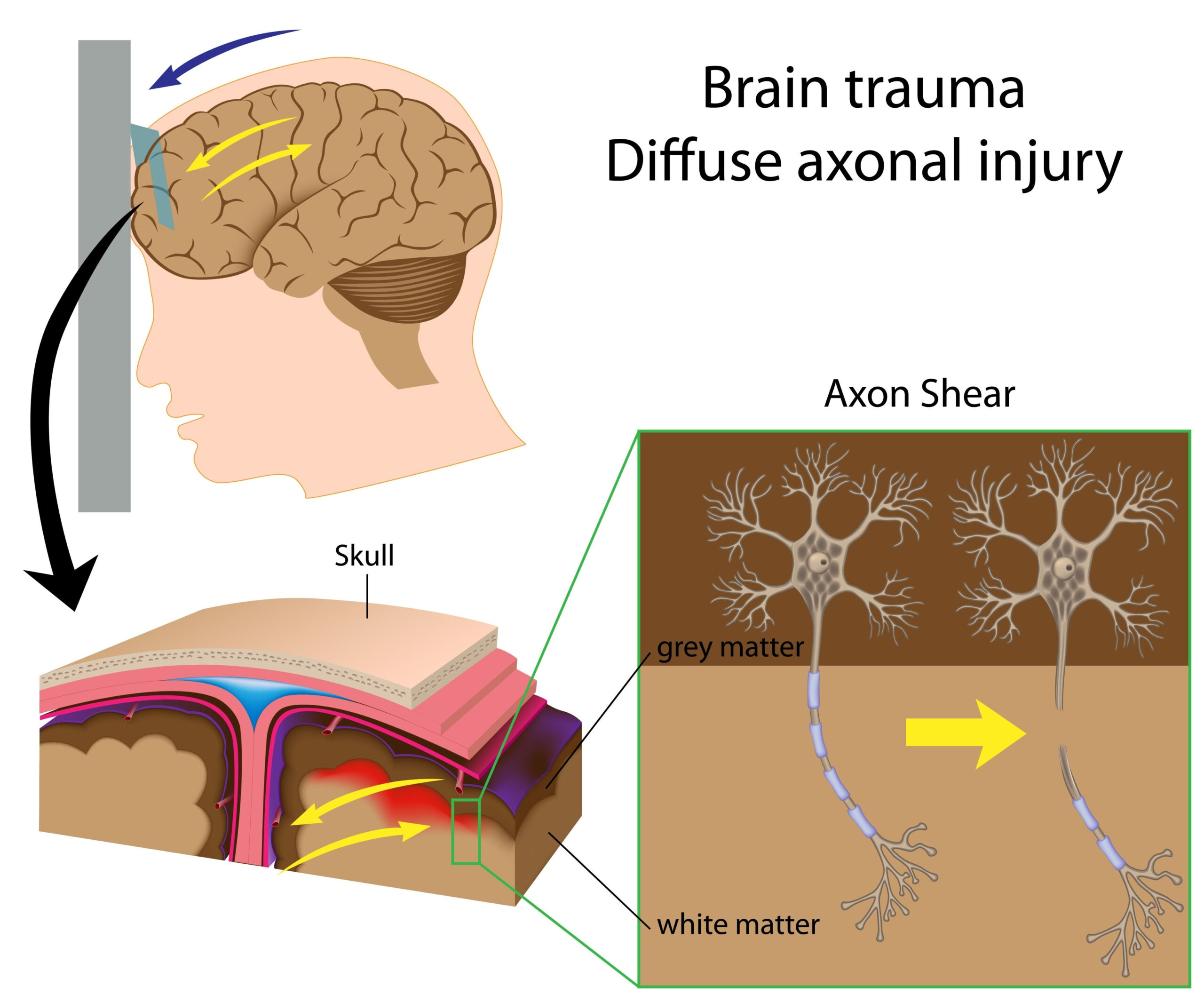
As soccer players engage in repeated heading throughout their careers, accumulating evidence suggests that even in the absence of overt concussive events, the sub-concussive impacts from heading may result in lasting changes to brain structure and function. These changes can manifest in various ways, including alterations in white matter integrity, which is crucial for effective communication between different brain regions. Magnetic resonance imaging (MRI) studies have sought to uncover these structural changes by examining brain scans of retired players. Findings often reveal signs of neural damage that correlate with the frequency and intensity of heading experienced over a playing career.
Additionally, the long-term effects of heading are not solely confined to structural alterations; there are implications for cognitive abilities as well. Retired players report difficulties with memory, attention, and executive function, which are key components of daily living and an active lifestyle. The extent of these impairments often correlates with the history of heading exposure, suggesting a clear relationship between the physical demands of the sport and cognitive health over time.
Researchers are increasingly focused on understanding the biological mechanisms behind these effects, exploring how repeated minor traumas may lead to inflammation and other pathological changes in the brain. Notably, the individual variability in response to heading exposure, including genetic predispositions, age at which players retired, and the nature of their competitive experiences, plays a significant role in determining the degree of cognitive impact.
The body of evidence surrounding the long-term effects of heading exposure underscores the necessity of implementing safety protocols within the sport to mitigate risks. Exploring best practices, such as limitation on heading in practice for youth and amateur levels could be essential steps towards preserving the health of athletes while still allowing them to enjoy the game they love.
Research design and participant selection
The research design for examining the long-term effects of heading in retired professional soccer players involved a multifaceted approach to ensure comprehensive data collection and analysis. The study utilized a cross-sectional design, allowing for a comparison of various cognitive and MRI markers among retired players with differing levels of heading exposure. This methodological choice provides insight into the relationship between the history of heading and resultant neurological and cognitive outcomes.
Participants were selected based on specific inclusion and exclusion criteria to ensure that the sample accurately represented the population under study. The inclusion criteria required participants to have played professionally for a minimum duration, ensuring a substantial exposure to heading over their careers. Additionally, only those players who had been retired from professional soccer for a defined period—typically at least five years—were included. This period of retirement was chosen to allow sufficient time for potential cognitive changes and structural brain alterations to manifest.
Potential participants were recruited from various soccer clubs and associations, leveraging both local networks and national organizations to reach a diverse demographic of former athletes. During recruitment, thorough screening processes were established to rule out individuals with confounding factors that could influence cognitive health, such as a history of significant concussions, neurological disorders, or mental health issues unrelated to their soccer careers. This was critical to isolate the effects of heading exposure specifically.
Upon recruitment, participants underwent detailed assessments, which included both neuropsychological testing and advanced MRI imaging. The neuropsychological tests targeted multiple cognitive domains such as memory, attention, executive function, and processing speed, with adjustments made based on age and educational background. These assessments allowed for a more nuanced understanding of the cognitive abilities of the athletes and how they related to their history of heading.
For the MRI component, participants were subjected to high-resolution structural imaging protocols designed to capture detailed images of the brain. Advanced imaging techniques, such as diffusion tensor imaging (DTI), were employed to evaluate white matter integrity, while quantitative volumetric analyses assessed changes in brain structures. This combination of cognitive testing and imaging provided a robust framework for exploring potential correlations between structural brain changes and cognitive function.
In analyzing the data, researchers employed statistical methods capable of controlling for potential confounding variables. This included demographic factors such as age, education level, and the length of professional careers. By adjusting for these factors, the study aimed to isolate the effects of heading exposure more clearly, thereby strengthening the validity of the findings.
The rigorous research design and participant selection process established a solid foundation for investigating the intricate relationship between long-term heading exposure, structural MRI markers, and cognitive function, paving the way for meaningful conclusions that could impact safety regulations in soccer and contribute to athlete welfare.
Impact on MRI markers and cognitive function
The examination of the impact of heading exposure on structural MRI markers and neurocognitive function in retired professional soccer players reveals significant associations that underscore the potential risks associated with the sport. Using advanced imaging techniques, researchers have documented changes in brain structure that may be linked to a player’s history of heading. For instance, alterations in white matter—integral to ensuring efficient communication between different brain regions—have been observed in players who engaged in frequent heading throughout their careers. Disruptions in white matter integrity can lead to cognitive deficits, reflecting the critical nature of these findings.
Neuropsychological assessments conducted alongside MRI evaluations have often demonstrated a concerning trend: the cognitive performance of players correlates with their exposure to heading. Common cognitive domains impacted include memory, attention, and executive functioning. These cognitive abilities are paramount not only for successful sports performance but also for general daily activities. Players often report challenges in recalling information, maintaining focus, and executing complex tasks, all of which can diminish their quality of life post-retirement.
It is noteworthy that the severity of cognitive impairment appears to be dose-dependent, with those who have a higher frequency of heading experiencing more pronounced deficits. Longitudinal studies suggest that early and sustained exposure to heading increases the risk of developing neurocognitive issues later in life. In this context, MRI studies serve as a critical tool for linking these cognitive changes to physical observable alterations in the brain, providing a tangible understanding of how heading impacts athletes over the long term.
Moreover, the variability in individual responses to heading exposure poses an important consideration for understanding these impacts. Factors such as genetic predisposition could influence how different players metabolize and respond to repetitive head impacts. Additionally, variables like age at retirement and the athlete’s overall health history play significant roles in determining the extent of cognitive decline. Therefore, personalized assessments may be integral in elucidating this complex relationship.
Recent advances in MRI techniques, including diffusion tensor imaging and volumetric studies, allow for a more detailed exploration of brain injuries that might not be evident through standard imaging protocols. Such clarity in imaging has illuminated mechanisms of damage related to heading, contributing to the growing body of evidence advocating for modifications in how the sport is played, especially for younger or amateur participants.
The compelling associations drawn from the research not only reinforce the need for a prudential approach to heading in soccer but also encourage ongoing vigilance in monitoring the cognitive health of retired players. As further studies emerge, they will likely provide critical insights that could lead to improved safety regulations and educational initiatives aimed at protecting future generations of soccer players from the cognitive ramifications associated with heading exposure.
Conclusions and future directions
The accumulation of evidence surrounding heading exposure in retired professional soccer players necessitates a paradigm shift in how the sport is approached, particularly concerning player health and safety. The data collected through rigorous research has illuminated the potential dangers associated with repeated heading, highlighting significant alterations in brain structure observable through advanced MRI techniques. Consequently, it is imperative to consider new protocols that prioritize the well-being of athletes, especially those at youth and amateur levels who are still developing their physical and cognitive capacities.
Future research should continue to explore the intricate relationship between heading exposure and neurocognitive outcomes, employing longitudinal designs to track changes over time within players’ cognitive health. Investigating the role of individual variability, including genetic factors and prior health conditions, will further elucidate why some players experience pronounced cognitive decline while others may exhibit resilience. Additionally, studies should strive to establish temporal relationships, helping to clarify whether cognitive impairments emerge directly from heading exposure or if other contributing factors play a role.
The exploration of interventions specific to mitigating the risks associated with heading could also be beneficial. Research should assess the effectiveness of modifying practice techniques, including reduced heading drills or the introduction of protective equipment designed to absorb impacts, particularly for younger players who may be more susceptible to neurological damage. Educational programs aimed at players, coaches, and parents about the risks associated with heading may further encourage safer practices and promote cognitive health in future generations.
Furthermore, collaborations between sports organizations, medical researchers, and policy-makers are essential to translate scientific findings into actionable guidelines that prioritize player safety. The potential development of standardized cognitive assessments as part of routine health checks for athletes can facilitate early detection of neurocognitive issues, allowing for timely interventions when necessary.
As the body of evidence continues to grow, it will be crucial to communicate findings effectively to all stakeholders within the soccer community. Raising awareness of the risks associated with heading can foster a culture that values player health and prioritizes long-term cognitive well-being over immediate competitive advantage.
A multidimensional approach encompassing ongoing research, education, and policy reform is vital to protect athletes from the long-term consequences of heading exposure in soccer. It is through such combined efforts that we can hope to foster a safer sporting environment while still preserving the integrity and enjoyment of the game.