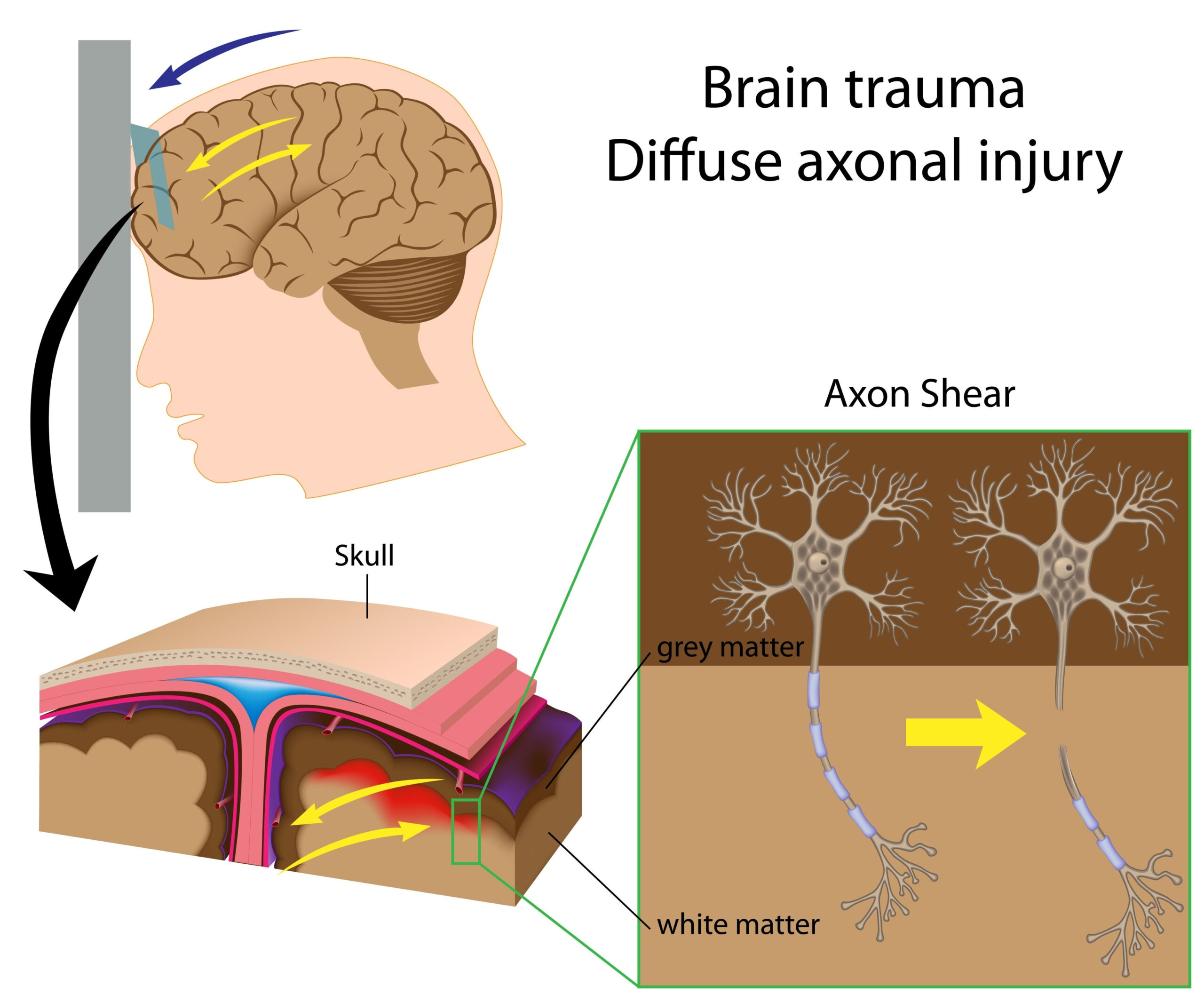
Concussion Management Strategies
The management of concussions in pediatric populations requires a multifaceted approach that encompasses immediate care, rehabilitation, and long-term support. Effective strategies are not only essential for symptom relief but also for the safe return to cognitive and physical activities.
Initial management of a concussion focuses on recognizing symptoms, which can range from headache, dizziness, and confusion to more subtle signs like mood changes or sensitivity to light and noise. Ensuring an accurate diagnosis is crucial; health care providers, including speech-language pathologists (SLPs), should be aware of the broad spectrum of symptoms, as early misdiagnosis can lead to prolonged recovery processes.
Once a concussion is diagnosed, the primary strategy is physical and cognitive rest. For children and adolescents, this often means taking a break from sports, recreational activities, and even schoolwork that requires concentration. Guidelines recommend a gradual return to activity, emphasizing that any escalation in symptoms must be addressed promptly, often requiring a regression in activity levels.
Rehabilitation plays a critical role in the recovery phase. Tailored interventions by SLPs can target both cognitive and linguistic functions affected by concussions. These may include exercises designed to improve memory, attention, and processing speed, as well as strategies to manage communication challenges that may arise during recovery. The involvement of SLPs is particularly important since they possess the specialized knowledge to address the cognitive-communication deficits that can result from a concussion.
Another critical element of concussion management is the development of an individualized plan that takes into account the unique needs of each child. This plan should address common challenges faced during recovery, such as the return to academic demands and social activities. Collaboration between parents, teachers, medical professionals, and SLPs is essential for setting realistic goals and ensuring that the child receives the necessary support during the recovery process.
Regular follow-up assessments can help in monitoring progress and adjusting management strategies as needed. These evaluations are crucial for deciding when a child is ready to return to school and sports, as premature reintegration can lead to a risk of further injury.
Education of stakeholders, including parents, coaches, and teachers, on concussion management is also fundamental. Raising awareness about the signs of concussion and the importance of proper management can significantly enhance the support systems available to affected children.
Concussion management in the pediatric population is evolving, with an increasing recognition of its complexities. Ongoing research is necessary to refine management protocols and ensure that they are evidence-based while tailored to the developmental stage of the child. Effective collaboration among professionals will further enhance the standard of care provided to young individuals experiencing concussive injuries.
Survey of Speech-Language Pathologists
An extensive survey conducted among speech-language pathologists (SLPs) sheds light on their knowledge, experiences, and perceived challenges in managing pediatric concussions. This endeavor aimed to assess the evolving landscape of concussion management as it pertains to the role of SLPs, who are increasingly recognized as vital players in the recovery process.
The survey revealed a varied level of familiarity with concussion-related guidelines among SLPs. While some respondents demonstrated a comprehensive understanding of the subject, others indicated gaps in their knowledge, particularly regarding the specific cognitive-communication deficits associated with concussions. This inconsistency highlights the need for standardized training protocols to ensure that all SLPs are equipped with the necessary skills and knowledge base to effectively support children recovering from concussions.
Moreover, many SLPs reported that their clinical practice is influenced by their personal experiences and training related to concussion management. Those who received specialized training or participated in continuing education courses were more confident in their ability to implement effective interventions. This underscores the importance of professional development opportunities aimed at enhancing the understanding of concussion management. The findings suggest that institutions offering training programs should prioritize content that offers practical applications instead of just theoretical knowledge.
Respondents also noted various challenges they encounter in their practice. A recurring theme was the difficulty in communicating with educators and parents about the nature of cognitive-communication deficits stemming from concussions. Many SLPs indicated instances where there was a lack of awareness among teachers regarding the modified accommodations required for children during their recovery. This disconnect points to the necessity for proactive education efforts targeting not only SLPs but also other stakeholders involved in the care of children with concussions.
Further analysis indicated that many SLPs are dedicated to interdisciplinary collaboration. Respondents expressed a strong desire to work cohesively with occupational therapists, physical therapists, and educational staff to create comprehensive and individualized recovery plans. However, logistical hurdles often impede such collaboration. These include scheduling conflicts and the absence of integrated communication systems among professionals, which could facilitate the sharing of progress and strategies.
To address these challenges, the survey suggests implementing systematic approaches to enhance interprofessional communication. This can be achieved through the establishment of protocol frameworks, regular meetings between healthcare providers, and the integration of technological solutions that allow for more efficient information sharing.
The survey also highlighted the importance of ongoing research in this field. SLPs expressed a keen interest in being informed about the latest evidence-based practices in concussion management. There is a collective recognition that the field is dynamic, and the strategies for concussion management should evolve in response to emerging research findings. Therefore, encouraging SLPs to engage in research utilization in their practice could foster an environment where knowledge continues to develop and improve.
In summary, the insights gained from the survey of SLPs illuminate both the strengths and weaknesses present in the management of concussions among pediatric patients. By emphasizing continued education, improving interdisciplinary communication, and fostering an environment of research engagement, the role of SLPs in this critical area can be significantly enhanced, ultimately benefiting the children they serve in their recovery journeys.
Impact of Training on Knowledge
Future Directions and Recommendations
The evolving landscape of pediatric concussion management necessitates a proactive approach to enhance the roles of speech-language pathologists (SLPs) and improve outcomes for affected children. As the awareness of the complexities of concussion increases, several future directions and recommendations emerge from the experiences of SLPs and related stakeholders.
One primary recommendation is the establishment of standardized training programs specifically targeting concussion management for SLPs and other professionals involved in pediatric healthcare. Such programs should blend theoretical knowledge with practical applications, ensuring that trainees not only understand the impact of concussions on cognitive-communication abilities but also acquire hands-on strategies to implement in clinical settings. Incorporating case studies and role-playing scenarios could bolster learning, enabling trainees to conceptualize realistic situations they may encounter in practice.
Moreover, enhancing interprofessional collaboration stands out as a vital focus area. Institutions should encourage regular interdisciplinary workshops aimed at fostering teamwork among SLPs, occupational therapists, physical therapists, and educators. These workshops could facilitate understanding of each professional’s role, leading to a more coordinated approach to managing concussions. Developing shared protocols for communication regarding a child’s needs and recovery progress could enhance support and mitigate the risk of uncoordinated care.
The integration of technology into concussion management practices also holds promise. Telehealth services can bridge gaps in communication, allowing SLPs to maintain contact with families and other professionals throughout a child’s recovery journey. Utilizing online platforms for resource sharing, including best practices and current research findings, would enable SLPs to remain informed and engaged with advancements in concussion management.
Research engagement must be promoted further. Encouraging SLPs to participate in ongoing research initiatives, including those that explore innovative treatment modalities for cognitive-communication deficits, will be crucial. Institutions can support these efforts through grants or partnership opportunities, creating a culture where research informs clinical practice continuously. Furthermore, establishing partnerships with academic institutions can facilitate data collection and analysis on outcomes related to various intervention strategies, enhancing evidence-based practices in the field.
Education campaigns targeting parents, teachers, and coaches about concussion symptoms and management practices should also be prioritized. These initiatives can empower stakeholders with knowledge about the importance of timely intervention and appropriate accommodations, which are pivotal during a child’s recovery. Providing easy-to-understand resources, including guides and workshops, will help create a supportive community around the child, thereby fostering an environment conducive to healing.
Lastly, continuous evaluation of the effectiveness of implemented strategies through feedback mechanisms is essential. Collecting data on the experiences of SLPs, as well as the outcomes of children managed under new protocols, will highlight areas needing refinement and adaptation. This feedback loop will contribute to the development of a dynamic framework responsive to the ever-evolving nature of concussion management.
By prioritizing these future directions and recommendations, we can enhance the multidisciplinary approach to pediatric concussion management, ultimately facilitating improved recovery outcomes for children and better equipping SLPs to serve this critical role in healthcare.
Future Directions and Recommendations
The evolving landscape of pediatric concussion management necessitates a proactive approach to enhance the roles of speech-language pathologists (SLPs) and improve outcomes for affected children. As the awareness of the complexities of concussion increases, several future directions and recommendations emerge from the experiences of SLPs and related stakeholders.
One primary recommendation is the establishment of standardized training programs specifically targeting concussion management for SLPs and other professionals involved in pediatric healthcare. Such programs should blend theoretical knowledge with practical applications, ensuring that trainees not only understand the impact of concussions on cognitive-communication abilities but also acquire hands-on strategies to implement in clinical settings. Incorporating case studies and role-playing scenarios could bolster learning, enabling trainees to conceptualize realistic situations they may encounter in practice.
Moreover, enhancing interprofessional collaboration stands out as a vital focus area. Institutions should encourage regular interdisciplinary workshops aimed at fostering teamwork among SLPs, occupational therapists, physical therapists, and educators. These workshops could facilitate an understanding of each professional’s role, leading to a more coordinated approach to managing concussions. Developing shared protocols for communication regarding a child’s needs and recovery progress could enhance support and mitigate the risk of uncoordinated care.
The integration of technology into concussion management practices also holds promise. Telehealth services can bridge gaps in communication, allowing SLPs to maintain contact with families and other professionals throughout a child’s recovery journey. Utilizing online platforms for resource sharing, including best practices and current research findings, would enable SLPs to remain informed and engaged with advancements in concussion management.
Research engagement must be promoted further. Encouraging SLPs to participate in ongoing research initiatives, including those that explore innovative treatment modalities for cognitive-communication deficits, will be crucial. Institutions can support these efforts through grants or partnership opportunities, creating a culture where research informs clinical practice continuously. Furthermore, establishing partnerships with academic institutions can facilitate data collection and analysis on outcomes related to various intervention strategies, enhancing evidence-based practices in the field.
Education campaigns targeting parents, teachers, and coaches about concussion symptoms and management practices should also be prioritized. These initiatives can empower stakeholders with knowledge about the importance of timely intervention and appropriate accommodations, which are pivotal during a child’s recovery. Providing easy-to-understand resources, including guides and workshops, will help create a supportive community around the child, thereby fostering an environment conducive to healing.
Lastly, continuous evaluation of the effectiveness of implemented strategies through feedback mechanisms is essential. Collecting data on the experiences of SLPs, as well as the outcomes of children managed under new protocols, will highlight areas needing refinement and adaptation. This feedback loop will contribute to the development of a dynamic framework responsive to the ever-evolving nature of concussion management.
By prioritizing these future directions and recommendations, we can enhance the multidisciplinary approach to pediatric concussion management, ultimately facilitating improved recovery outcomes for children and better equipping SLPs to serve this critical role in healthcare.