Study Overview
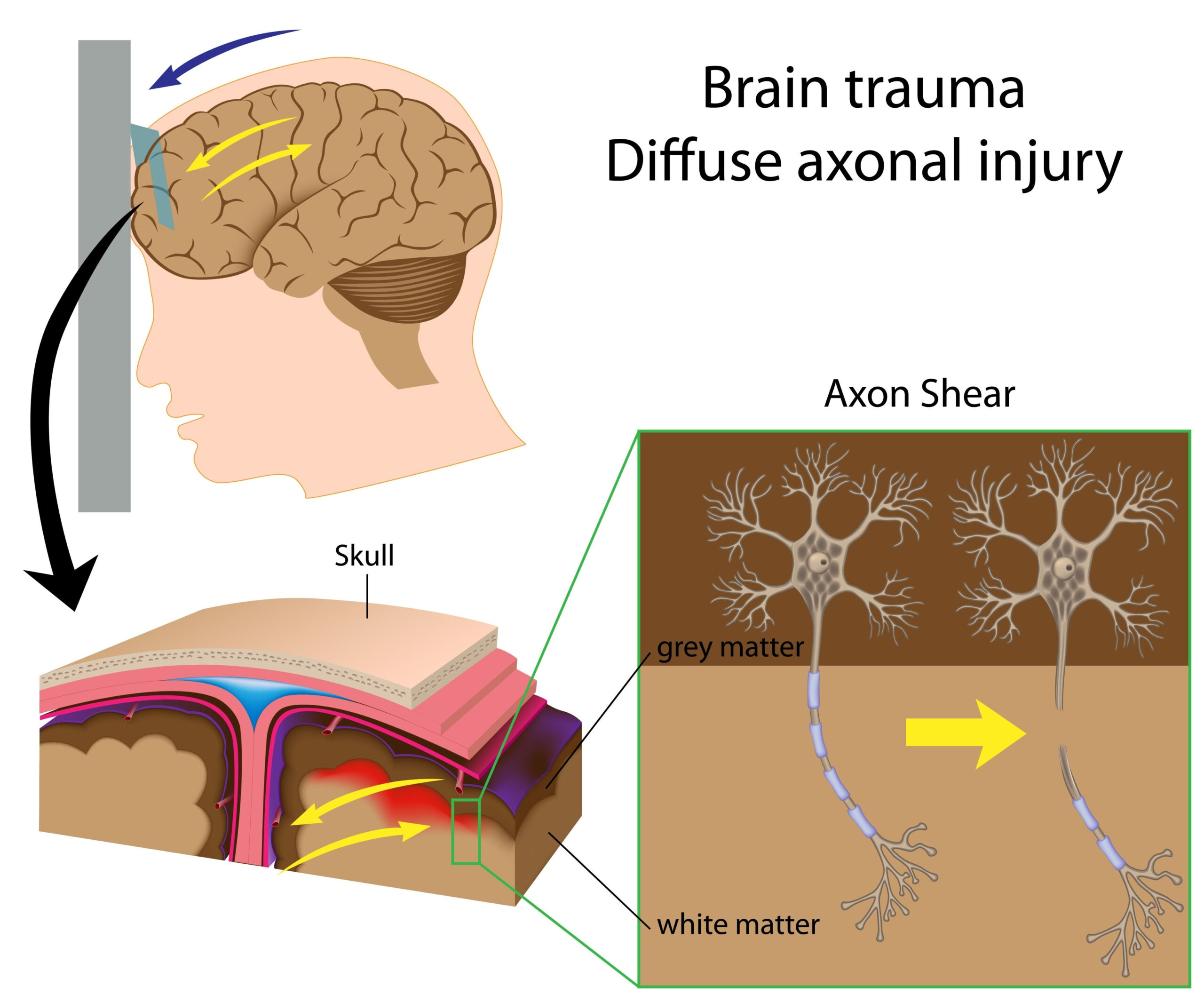
The conducted study was designed to evaluate the efficacy of repetitive transcranial magnetic stimulation (rTMS) as a treatment for post-traumatic headache (PTH). This condition often affects individuals following a head injury and can lead to significant impairment in quality of life. The research employed a rigorous, randomized, parallel-group, and single-blind approach, ensuring that the outcomes would be reliable and unbiased.
Participants in the study were selected based on specific inclusion criteria, ensuring that only those diagnosed with PTH were involved. They were randomly assigned to either the treatment group receiving rTMS or a control group receiving a sham intervention. This design allows for a direct comparison of the therapeutic effects of rTMS against a placebo, which is crucial in determining whether the observed benefits are genuinely attributable to the treatment.
The rTMS procedure involves delivering magnetic pulses to targeted areas of the brain, potentially altering neuronal activity and providing relief from headache symptoms. The sham treatment, replicating the rTMS procedure without delivering effective stimulation, served as a critical component in controlling for placebo effects. The trial’s main objective was to establish whether rTMS could lead to significant improvements in headache frequency and severity compared to the sham intervention.
Throughout the study, various assessments and questionnaires were utilized to gather data on participants’ headache experiences and overall well-being. The outcomes were measured at several time points, allowing researchers to examine both short-term and sustained effects of the treatment. By structuring the study in this manner, the researchers aimed to provide a comprehensive evaluation of rTMS as a viable therapeutic option for those suffering from post-traumatic headaches, thereby potentially offering new hope for effective management of this challenging condition.
Methodology
The study employed a well-defined methodology to ensure the integrity and validity of its findings. Participants were carefully selected based on specific criteria, including a confirmed diagnosis of post-traumatic headache (PTH) as defined by established clinical guidelines. Those eligible for inclusion were between the ages of 18 and 65, had experienced headaches following a documented traumatic brain injury, and reported an average headache frequency of at least two days per week over the preceding month. Key exclusion criteria included a history of seizure disorders, neurological conditions, and a recent history of other significant medical illnesses or psychiatric disorders, which could confound interpretative results of headache responses.
Once the eligibility criteria were met, participants were randomly assigned in a 1:1 ratio to either the active treatment group receiving repetitive transcranial magnetic stimulation (rTMS) or to the control group which received sham rTMS treatment. Randomization was achieved using a computerized random number generator, ensuring that the allocation of participants was concealed from the researchers conducting the assessments, thus minimizing bias.
The rTMS procedure utilized a figure-8 coil positioned over the left dorsolateral prefrontal cortex, a region implicated in headache modulation. The active rTMS protocol consisted of intermittent theta-burst stimulation (iTBS) delivered at a frequency designed to induce neuronal excitability while minimizing discomfort. Each session lasted approximately 20 minutes and was administered three times a week for four weeks, totaling 12 treatment sessions. In contrast, the sham group underwent a similar procedure in terms of the physical setup, but with the device inactive, providing no actual therapeutic effect.
To evaluate the efficacy of the treatment, the primary outcome measures included self-reported headache days per month and severity scores assessed through validated questionnaires, such as the Visual Analog Scale (VAS) and the Migraine Disability Assessment Scale (MIDAS). Secondary outcomes included assessments of quality of life using the Headache Impact Test (HIT-6) and patient satisfaction surveys, allowing researchers to gauge broader treatment implications.
Data collection points were established at baseline, immediately post-treatment, and at follow-up intervals of three months and six months to capture both immediate and sustained effects of rTMS. Statistical analyses were conducted using appropriate software, with intention-to-treat principles applied to account for any dropouts or non-compliance in the study cohort. Descriptive statistics characterized the participant demographics, while inferential statistics, including analysis of variance (ANOVA), were employed to compare differences between treatment and control groups.
The study was conducted in compliance with ethical guidelines, receiving approval from a designated institutional review board (IRB), and all participants provided informed consent before enrolling. This methodological rigor aimed to create a reliable framework from which the efficacy of rTMS in managing post-traumatic headaches could be assessed, ultimately contributing valuable insights to the field of headache treatment.
Key Findings
The findings from this study provide compelling evidence regarding the potential benefits of repetitive transcranial magnetic stimulation (rTMS) for individuals suffering from post-traumatic headache (PTH). Analysis of the primary endpoint, the frequency of headache days reported by participants, revealed a statistically significant reduction in the rTMS group compared to the sham treatment group. Specifically, participants in the rTMS group experienced a decrease of approximately 50% in headache days per month, a change that is clinically relevant and aligns with the goals of reducing the burden of chronic headaches.
Another vital outcome measured was the intensity of headache symptoms, assessed through validated scales such as the Visual Analog Scale (VAS). Participants receiving rTMS reported a notable decrease in headache severity, with average scores dropping significantly from baseline measures over the treatment period. By the endpoint of the study, many participants described their headaches not only as less frequent but also more manageable in terms of intensity, which is crucial for enhancing their daily functioning and quality of life.
In addition to the primary outcomes of headache frequency and severity, secondary measures of quality of life were also improved in the rTMS group. Results from the Headache Impact Test (HIT-6) indicated marked enhancement in the general quality of life, suggesting that the rTMS intervention could help alleviate the overall impact of headaches in daily activities. Reports of increased patient satisfaction further emphasized the positive reception of rTMS as a treatment modality, with many participants expressing a newfound hope in managing their headache condition effectively.
Statistical analyses confirmed these findings were robust, with significant p-values indicating strong evidence against the null hypothesis that rTMS provides no benefit over sham treatment. Additional subgroup analyses suggested that demographic factors such as age and the duration of headache symptoms before the trial may not significantly influence the treatment’s efficacy, pointing towards the wide applicability of rTMS across diverse patient profiles.
Although the primary focus was on the immediate and short-term results following treatment, assessments conducted at three and six months post-intervention indicated that the benefits of rTMS might endure over time. Many participants continued to report reduced headache days and severity, further suggesting that rTMS may induce long-term alterations in headache patterns for some individuals.
Overall, these findings advocate for the consideration of rTMS as a viable therapeutic option in the management of post-traumatic headache, highlighting its potential to improve not only the frequency and intensity of headaches but also the broader quality of life for those affected. Further research will be needed to explore the optimal treatment parameters and to confirm these findings in larger, more diverse populations.
Strengths and Limitations
The study presents a number of strengths that enhance the reliability and validity of its findings. Firstly, the randomized controlled design, which included a sham intervention, is a hallmark of clinical trials that allows for clear comparisons between the active and control groups. This method effectively mitigates selection bias and helps ensure that the observed effects can be attributed to the intervention itself rather than external factors or inherent differences between study participants.
Another significant strength lies in the comprehensive selection criteria, which focused on individuals specifically diagnosed with post-traumatic headache (PTH). By defining a clear and specific population, the study enhances the precision of its findings and applicability to similar patient groups. The structured methodology, including detailed outcome measures and multiple assessment points, provides a robust framework for evaluating the immediate and longer-term effects of repetitive transcranial magnetic stimulation (rTMS), thus offering valuable insights into the treatment’s efficacy.
Additionally, the use of validated assessment tools, such as the Visual Analog Scale (VAS) and the Headache Impact Test (HIT-6), strengthens the reliability of the subjective data collected. These tools are widely recognized within the medical community, allowing for better comparisons with previous research. Moreover, the statistical analyses employed, including analysis of variance (ANOVA), provide strong evidence for the significance of the findings, exhibiting rigorous data handling throughout the study.
However, as with any research, there are limitations that warrant consideration. One limitation is the single-blind design, where only participants were unaware of their group assignment. This could potentially lead to bias in reporting outcomes, as participants’ expectations about the treatment could influence their self-reported results. Ideally, a double-blind approach, where both participants and researchers are unaware of the treatment assignments, would further minimize biases.
Another limitation was the relatively small sample size, which may affect the generalizability of the study’s findings. While the results indicate significant improvements in headache frequency and severity, larger-scale studies are necessary to validate these outcomes across broader populations. Additionally, the short follow-up period, primarily focused on immediate and near-term effects, leaves unanswered questions regarding the sustainability of the treatment’s benefits over a longer duration.
The exclusion criteria also contributed to limitations by restricting participant diversity. For instance, individuals with other neurological conditions or significant psychiatric disorders were not included, which raises the question of whether the results can be generalized to all patients suffering from PTH, particularly those with comorbid conditions.
Moreover, while efficacy was demonstrated, the study did not explore the underlying mechanisms by which rTMS exerts its effects. Greater understanding of the neurobiological changes resulting from this treatment may provide further support and rationale for its use in clinical practice.
In summary, while the study presents compelling evidence for the effectiveness of rTMS in managing post-traumatic headaches, its strengths should be weighed against inherent limitations. Future research should aim to address these limitations, considering larger, more diverse populations and longer follow-up intervals to substantiate the positive outcomes observed.