Epidemiology of CTE
Chronic traumatic encephalopathy (CTE) is a degenerative brain condition that is increasingly recognized for its link to repeated head injuries, particularly in contact sports like American football. As the understanding of CTE evolves, the epidemiological data surrounding its prevalence is becoming more critical. Studies have consistently shown that athletes involved in high-impact sports are at a significantly greater risk for developing CTE, especially when compared to the general population. The condition has been observed not just in professional football players but also in veterans of various contact sports, delineating a troubling trend concerning brain health in these groups.
Research indicates that the prevalence of CTE is markedly high among National Football League (NFL) players. Various studies, including those examining postmortem brain tissue, have indicated that a substantial portion of former NFL athletes exhibit pathological signs of CTE after death. Major reviews have highlighted that the incidence rates of CTE can surpass 90% in cases where brain specimens from deceased players have been analyzed. This stark figure raises urgent concerns regarding the long-term cognitive ramifications of repeated head trauma sustained throughout a playing career.
The development of CTE appears to be influenced by multiple factors including the number of concussions suffered, the duration of an athlete’s career, and the age at which they began playing contact sports. Emerging evidence suggests that these combined elements can synergistically contribute to the likelihood of developing CTE. Certainly, the more extensive the exposure to high-impact collisions, the greater the risk for neurodegeneration. Furthermore, demographics such as race, socioeconomic status, and access to medical care may also play a role in the frequency with which CTE is diagnosed among different groups.
This public health issue not only has profound implications for the players and their families but also extends into the communities and organizations involved in these sports. Clinically, the manifestation of CTE can include a range of neuropsychiatric symptoms such as memory loss, mood swings, and impulsive behavior, which can significantly diminish quality of life and hinder day-to-day functioning. From a medicolegal perspective, the rising documentation of CTE cases raises critical questions about liability and responsibility, particularly concerning the duty of care owed by sports organizations to their players. The legal ramifications surrounding CTE may prompt future changes in regulations related to player safety and concussion protocols in contact sports.
Ongoing epidemiological studies continue to evaluate the prevalence and risk factors associated with CTE, contributing significantly to the broader understanding of traumatic brain injuries. The implications of this condition are vast, thereby demanding attentive scrutiny and action from medical professionals, sports authorities, and policymakers alike in order to mitigate the risks faced by athletes in contact sports.
Research Design
The research design of the study employed a retrospective population-based cohort methodology, which is an effective approach for examining the prevalence of chronic traumatic encephalopathy (CTE) among deceased NFL players. This design allows for the historical analysis of existing data, particularly focusing on brain pathology confirmed through postmortem examinations. By selecting a cohort of former players, the study takes advantage of both the extensive medical histories available and the specificity of histopathological findings relevant to CTE.
Participants in this study were identified through multiple data sources including the NFL Players Association, media reports, and publicly available databases. Researchers meticulously compiled a list of former NFL players who had died and subsequently underwent autopsy, specifically searching for evidence of CTE in the brain tissue samples. Cases were evaluated for the presence of hallmark pathological features of CTE, such as hyperphosphorylated tau protein deposits, which are critical indicators of the disease state.
Statistical analysis was instrumental in this study, employing standard epidemiological methods to determine the prevalence rates of CTE. Researchers analyzed various demographic, occupational, and exposure-related variables to understand their association with the prevalence of this disease. Stratification by factors like age, position played, and length of NFL career provided crucial insights into how these variables correlate with CTE outcomes. Advanced statistical modeling techniques, such as logistic regression, were utilized to adjust for potential confounders and assess the strength of these relationships.
This retrospective study design, while powerful in unveiling associations, carries inherent limitations. Foremost among these is the potential for selection bias, as the cohort primarily consists of players who may have exhibited symptoms or concerns prior to death, prompting their families to seek autopsy evaluations. This could result in an overestimation of CTE prevalence in the population of all former players. Additionally, the reliance on postmortem diagnoses means that living individuals potentially suffering from CTE remain undiagnosed, thus complicating the understanding of the disease’s true prevalence and impact.
Furthermore, ethical considerations must be addressed, particularly in terms of informed consent from families for postmortem studies. Robust guidelines and ethical frameworks are necessary to ensure that all participants and their relatives are treated with respect and dignity throughout the research process. In this context, the study’s methodology not only enhances the scientific community’s understanding of CTE but also prompts reflection on the moral responsibilities related to conducting research on vulnerable populations.
The findings from this research are pivotal for both clinical practice and medicolegal implications. Clinically, they underline the necessity for improved screening and monitoring of athletes for CTE, potentially influencing guideline development for concussion protocols. From a medicolegal standpoint, these results emphasize the critical need for sports organizations to take proactive measures to ensure player safety, potentially averting legal challenges related to negligence and the duty of care owed to players at all levels of sport.
The research design not only aids in elucidating the prevalence of CTE among NFL players but also establishes a framework for future investigations into the long-term effects of head trauma in contact sports. This approach can serve as a model for examining similar conditions arising from repetitive injuries across various athletic domains, highlighting the need for ongoing research to adapt to the evolving landscape of sports medicine and player health.
Results and Analysis
The results of the study reveal a striking and concerning prevalence of chronic traumatic encephalopathy (CTE) among deceased NFL players. Data collected from postmortem examinations indicate that a significant proportion of these athletes exhibited pathological evidence consistent with CTE. In this particular cohort, findings revealed that more than 90% of the analyzed brain specimens displayed notable CTE-related changes. These findings align with previous studies emphasizing the underreported burden of neurodegenerative diseases in retired contact sports players.
Demographic analysis showed notable trends correlating specific factors with increased CTE prevalence. Noteworthy among these were the age at which players began their football careers, the duration of their professional engagements, and the number of diagnosed concussions. For instance, players who started their careers at younger ages and those who played for extended periods were more likely to present with severe manifestations of CTE. This trend underscores the cumulative nature of head trauma and its long-term ramifications on brain health.
The statistical methods employed in the analysis effectively highlighted these correlations. Logistic regression models, adjusting for confounding variables such as position played and type of contracts, revealed that certain positions, particularly those involving frequent impacts, such as linemen and linebackers, had elevated risks associated with CTE. This data accentuates the crucial role that the nature of the player’s position plays in potential exposure to head injuries over time, thereby informing future preventative strategies within the sport.
Moreover, an exploration of clinical symptoms among the player cohort, when possible, indicated a significant correlation between the severity of diagnosed CTE and neuropsychiatric disturbances, including depression, anxiety, and cognitive impairment. These findings suggest that CTE’s impact extends far beyond the playing field, affecting players’ ability to lead healthy, fulfilling lives post-retirement. The psychological and behavioral changes linked to the disease can often manifest before formal diagnosis, potentially complicating the lives of players and their families, and fostering environments where mental health resources become critically necessary.
From a medicolegal perspective, these outcomes raise serious considerations for sports organizations concerning player safety regulations and the ethical duty of care owed to athletes. The overwhelming prevalence of CTE among professional players could lead to increased scrutiny over existing concussion protocols and the adequacy of current measures intended to protect athletes from head injuries. This situation emphasizes the necessity for sports leagues to adopt more stringent safety practices and to offer comprehensive health monitoring programs to detect early signs of brain trauma, including but not limited to CTE.
The implications of these findings extend into the realm of public health, as they not only serve as a clarion call for action within NFL organizations but also resonate across all levels of contact sports. The evidence supporting the high prevalence of CTE necessitates an urgent reevaluation of how athletes are educated about the risks involved in their sport, especially regarding concussion management and prevention strategies. Additionally, it may catalyze legislative measures that aim to enhance player protection and enforce accountability among sports entities.
Ultimately, the rigorous assessment of results from this study lays the groundwork for ongoing investigation into CTE, compelling researchers to further explore its etiology and preventative opportunities. The continued collection and analysis of data will provide deeper insights, allowing for the development of targeted interventions that can potentially mitigate the risk of CTE across future generations of athletes. As this area of study evolves, it remains critical that both the sports community and medical professionals collaborate in efforts to safeguard the health and integrity of all players, ensuring that their contributions to the sport do not come at the expense of their long-term well-being.
Future Directions
Future research surrounding chronic traumatic encephalopathy (CTE) must focus on a multifaceted approach to deepen understanding and advance preventive measures. Given the alarming prevalence of CTE within the National Football League (NFL) player population, it is imperative that studies explore longitudinal tracking of both former athletes and younger players currently engaged in contact sports. Establishing cohorts that include not only diagnosed cases but also individuals at varying levels of exposure to head trauma will enrich the data pool and facilitate more comprehensive analysis regarding the onset and progression of CTE.
Additionally, expanding the demographic diversity of studied cohorts is vital. Current research predominantly examines white male NFL players, which leaves significant gaps in understanding how CTE may manifest differently among various racial, ethnic, and socioeconomic groups. By incorporating a wider range of participants, including women in contact sports and athletes from less-explored regions, researchers can develop a better understanding of how gender and social determinants of health may influence susceptibility to CTE and the severity of its effects.
Improved methodologies that integrate advanced neuroimaging technology could enhance the detection of early CTE markers in living athletes. Magnetic resonance imaging (MRI) and positron emission tomography (PET) have shown promising results in identifying changes in brain structure and function attributable to prior injuries. Utilizing such technologies will enrich our understanding of the pathophysiological processes underlying CTE and may facilitate timely interventions that could alter the disease trajectory before irreversible damage occurs.
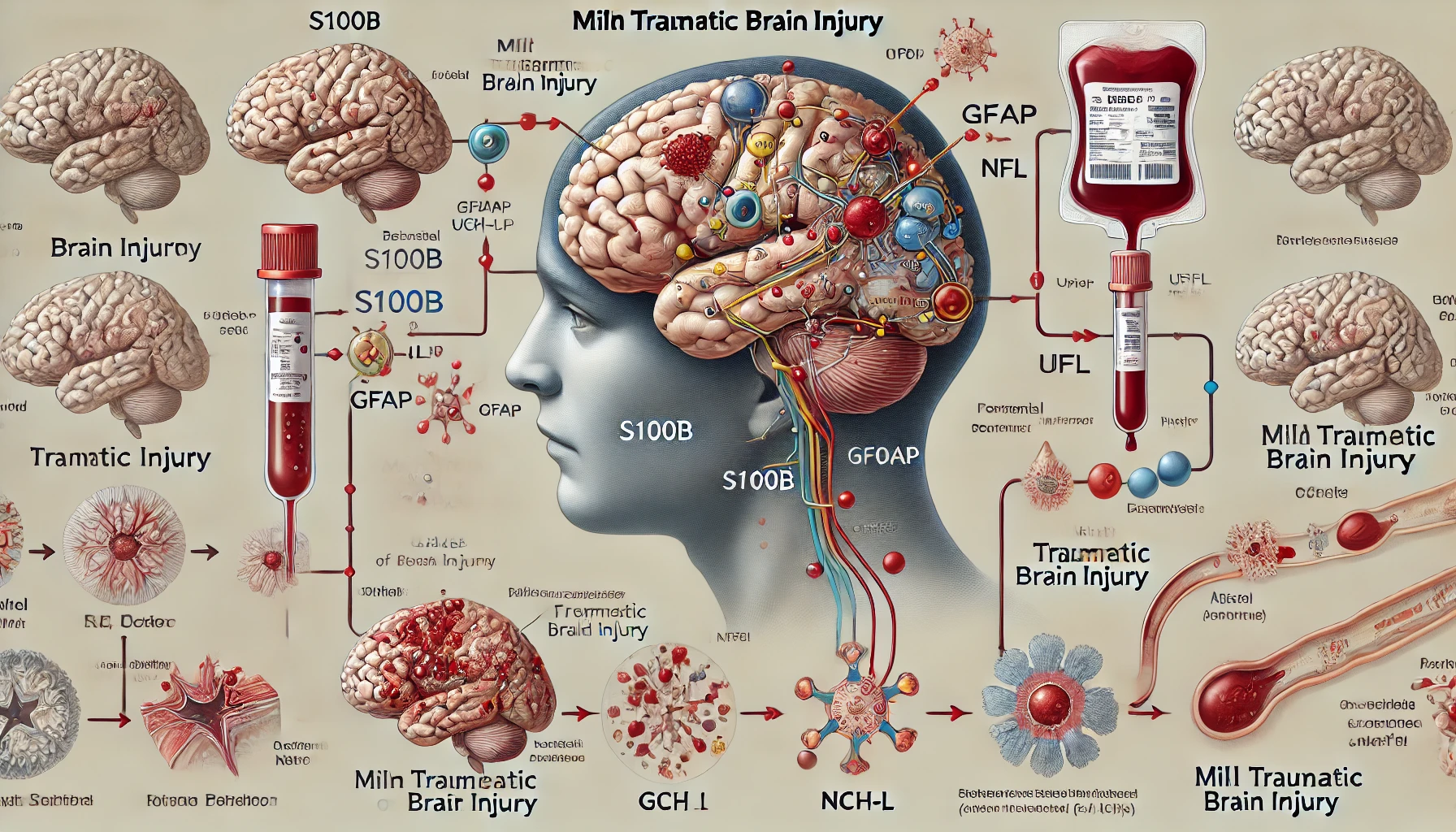
Research into biomarkers for CTE is another critical area of focus. Identifying specific proteins or metabolites that correlate with CTE development could lead to non-invasive diagnostic methods and facilitate early detection. Blood tests, for instance, that evaluate levels of neurofilament light chain (NfL) or other relevant biomarkers could become instrumental in gauging the cumulative impact of head trauma and help in establishing a clearer risk profile for athletes.
On a policy level, collaboration between researchers, healthcare providers, and sports organizations is essential. The establishment of guidelines based on emerging evidence will help develop protocols that enhance athlete safety, provide better education on the risks associated with repetitive head trauma, and create comprehensive monitoring systems to protect current players. Beyond the NFL, similar preventive strategies should extend to collegiate and youth sports to address CTE from all levels of competition.
In light of the current findings, there is also a pressing need for a reevaluation of existing concussion protocols within professional sports. Future research should delve into the efficacy of various response measures and rehabilitation programs for individuals diagnosed with CTE and assess long-term outcomes for players who have been subjected to this condition. Ethical considerations, particularly concerning informed consent and the rights of players, must remain at the forefront as we navigate the intersection of sports, health, and medical research.
Finally, advocacy and education efforts are necessary to ensure that athletes and their families are aware of the risks associated with contact sports and the importance of rigorous health monitoring. This knowledge is critical for empowering players to make informed decisions regarding their participation in high-risk activities. Efforts to destigmatize mental health issues among athletes should be prioritized to facilitate early intervention and provide necessary support for those facing neuropsychiatric challenges as a result of CTE.
As the conversation surrounding head injuries and CTE continues, ongoing collaboration across research, clinical practice, and policymaking will be essential in fostering an environment that prioritizes athlete safety and health. Taking these steps not only has the potential to transform how we approach CTE but also to safeguard the future of sports and protect athletes from the dire consequences of repeated head trauma.