Overview of Transcranial Magnetic Stimulation
Transcranial Magnetic Stimulation (TMS) is a non-invasive neuromodulation technique that uses magnetic fields to influence neuronal activity in the brain. This innovative approach is primarily employed to treat various neurological and psychiatric conditions, and more recently, it has gained attention for its potential in managing chronic pain.
The fundamental principle behind TMS involves the generation of brief magnetic pulses through a coil positioned on the scalp. These pulses penetrate the skull and induce small electric currents in targeted areas of the brain, thereby modifying the activity of neurons. Depending on the frequency and duration of the stimulation, TMS can either enhance or inhibit neural activity. Low-frequency stimulation typically reduces neuronal excitability, while high-frequency stimulation tends to increase it.
TMS offers several advantages over traditional treatments for pain management, such as pharmaceuticals or invasive procedures. It is painless, generally well-tolerated, and does not require anesthesia. Additionally, since TMS does not utilize ionizing radiation, it poses fewer risks compared to imaging techniques and other procedures that expose patients to harmful radiation.
Recent advances in TMS technology have led to the development of repetitive TMS (rTMS), which involves delivering multiple pulses in quick succession. This method is particularly effective in modulating brain function and has shown promise in clinical settings. rTMS has been investigated for its efficacy in treating various pain conditions, including fibromyalgia, migraine, and neuropathic pain, with many studies reporting significant reductions in pain levels among participants.
While the exact mechanisms by which TMS alleviates pain are still being studied, research suggests that it may facilitate neuroplastic changes in the brain. These changes can alter the way pain is processed, potentially re-establishing normal pain modulation pathways that are disrupted in chronic pain conditions. This capacity to induce neuroplasticity makes TMS a compelling option for patients who have not responded to conventional therapies.
As ongoing research continues to elucidate the best practices for TMS application, including optimal parameters for stimulation and patient selection, its role in pain management is likely to expand, offering new hope to individuals suffering from debilitating conditions. The growing body of evidence supporting TMS also encourages broader acceptance within the clinical community, fostering further innovation in non-invasive treatment approaches in healthcare.
Research Design and Methods
In examining the efficacy of repetitive Transcranial Magnetic Stimulation (rTMS) in pain management, a variety of research designs have been employed across multiple randomized controlled trials (RCTs). These studies are critical for establishing evidence-based protocols and understanding the clinical implications of rTMS as a therapeutic option for chronic pain conditions.
Typically, RCTs investigating rTMS involve several key components: participant selection, stimulation protocols, outcome measurements, and statistical analysis. Participants are usually selected based on specific inclusion and exclusion criteria to ensure the homogeneity of the study population. Common conditions examined include fibromyalgia, migraine, and neuropathic pain, which represent a diverse spectrum of chronic pain syndromes. Researchers often focus on adult patients who have not responded favorably to conventional treatments or are at risk of medication-related adverse effects.
The stimulation protocols in these studies vary significantly, contributing to differences in outcomes. Largely, these protocols may differ in terms of frequency (high vs. low), duration of sessions, number of sessions per week, and total treatment course length. High-frequency rTMS, often administered at 10 Hz or above, is more frequently utilized for the treatment of pain conditions due to its potential to enhance neuronal excitability and promote analgesic effects. Conversely, low-frequency rTMS may be favored in managing conditions where decreased neuronal activity and excitability are desired.
Outcome measurements typically consist of primary and secondary endpoints that assess pain intensity, functional status, and overall quality of life. The use of validated scales, such as the Visual Analog Scale (VAS) or the McGill Pain Questionnaire, provides quantifiable data reflecting patient-reported pain levels. Secondary outcomes may include assessments of anxiety, depression, or sleep quality, as these factors can significantly intersect with the experience of chronic pain.
Statistical analyses are important for interpreting the data collected from these trials. Most RCTs employ various statistical tests to determine the significance of the findings, often using methods such as analysis of variance (ANOVA) or regression analysis. These tests help in comparing the efficacy of rTMS against control groups, which may receive sham stimulation or standard care. Meta-analyses are also conducted to synthesize findings from multiple studies, further reinforcing the reliability of conclusions drawn about the effectiveness of rTMS in pain management.
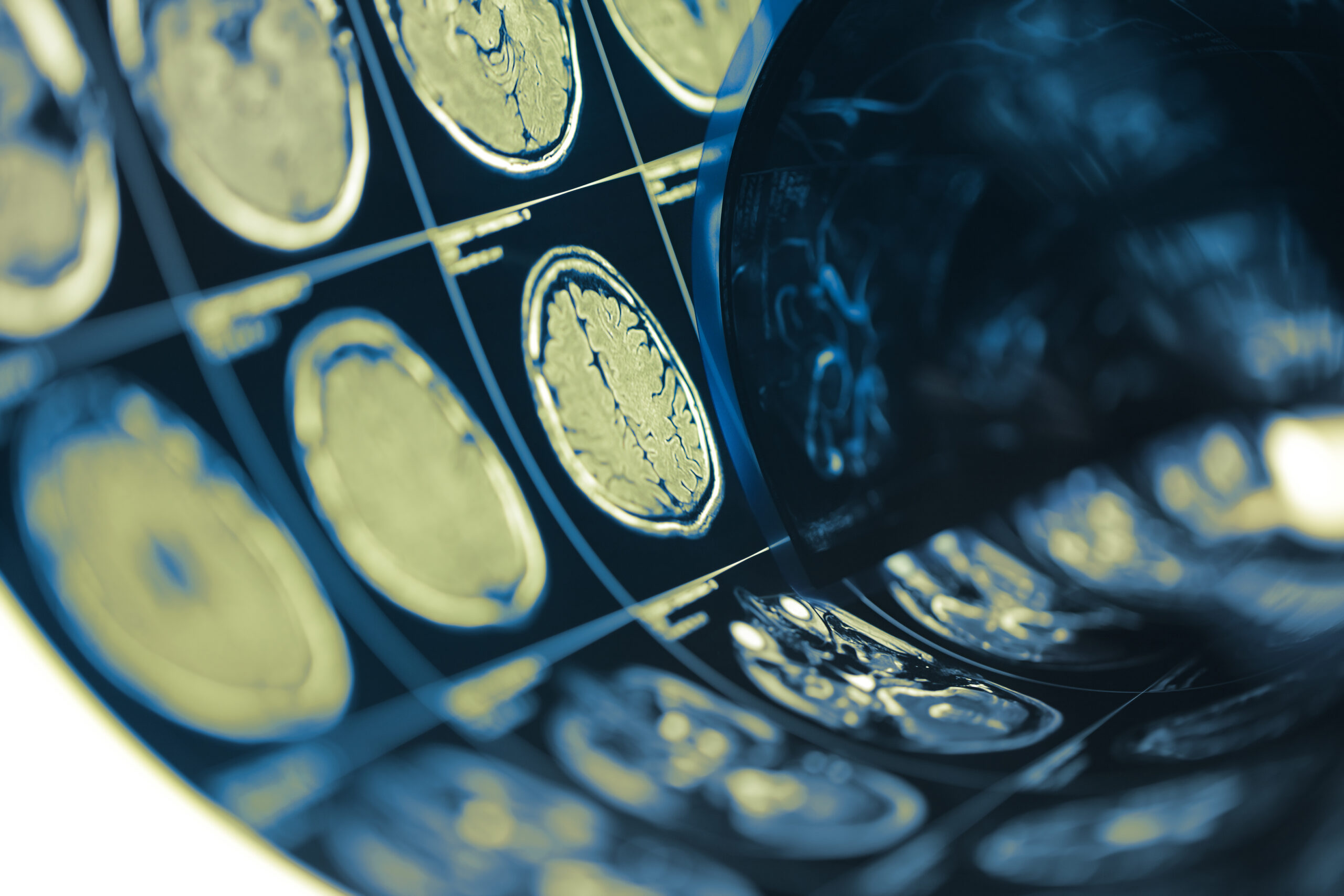
Moreover, many studies aim to investigate the mechanisms underlying rTMS treatment, utilizing neuroimaging techniques like functional MRI (fMRI) or electroencephalography (EEG) to visualize changes in brain activity pre- and post-treatment. Understanding these mechanisms can illuminate how rTMS facilitates neuroplastic changes, thereby informing future research and clinical applications.
Finally, adherence to ethical standards is crucial in designing these trials. Informed consent is obtained from participants, ensuring they are cognizant of potential risks and benefits associated with rTMS. Additionally, ethical oversight through institutional review boards (IRBs) ensures the protection of participants throughout the study process, enhancing the integrity of the research findings. As rTMS continues to attract attention within the clinical research community, the rigorous application of these methodologies will be essential in establishing robust evidence for its use in pain management.
Results and Analysis
The empirical evidence from randomized controlled trials (RCTs) assessing the efficacy of repetitive Transcranial Magnetic Stimulation (rTMS) in managing chronic pain conditions reveals a complex yet promising landscape. Various studies consistently show statistically significant reductions in pain levels among patients undergoing rTMS therapy compared to control groups. Many trials have reported improvements in conditions such as fibromyalgia, migraines, and neuropathic pain, with pain reduction measures commonly assessed using validated scales such as the Visual Analog Scale (VAS).
In analyzing the results, it is apparent that the effectiveness of rTMS is influenced by several pivotal factors, including stimulation frequency, treatment duration, and specific patient demographics. High-frequency rTMS (typically at or above 10 Hz) has shown greater effectiveness in enhancing neuronal excitability and subsequently achieving pain relief, especially in conditions characterized by hyperexcitability of cortical regions. In contrast, low-frequency rTMS has predominantly been useful in conditions where reducing neuronal excitability is therapeutically beneficial.
The number of treatment sessions and the total cumulative dose of rTMS also play significant roles in therapeutic outcomes. Studies with greater frequency and longer total treatment periods generally observe more pronounced effects, suggesting a dose-response relationship. For instance, a protocol involving five sessions per week over several weeks has shown better outcomes than shorter, less frequent treatment schedules. Moreover, patient adherence to these protocols contributes to the efficacy observed within the trials, with more consistent attendance correlating with improved outcomes.
The analysis of secondary outcomes also provides a broader context of rTMS’s impact on chronic pain management. Many studies report not just pain relief, but also improvements in function, mental health status, and overall quality of life. For instance, reductions in depression and anxiety symptoms were frequently documented alongside pain relief, reflecting the interconnected nature of chronic pain with psychological health. Consequently, rTMS may serve a dual purpose, benefiting both the physiological pain experience and the psychological distress that often accompanies it.
Additionally, neuroimaging data obtained from various studies offers insights into the neurophysiological changes induced by rTMS. Findings from functional MRI (fMRI) and electroencephalography (EEG) frequently illustrate significant alterations in brain activity, particularly in regions associated with pain processing, such as the insula and anterior cingulate cortex. These neurophysiological shifts are indicative of enhanced neuroplasticity, supporting the notion that rTMS not only alleviates pain but may also facilitate long-term modifications in pain perception pathways.
While the results are largely encouraging, it is important to acknowledge the variability in trial design and outcomes, which at times present challenges in drawing generalized conclusions. Differences in participant selection, rTMS protocols, and outcome measurement tools can lead to discrepancies in findings. Moreover, a subset of patients may experience limited or no benefit from rTMS, indicating that individual responses can vary significantly based on biological and psychological factors.
These results reinforce the relevance of ongoing research into optimizing rTMS parameters and identification of suitable candidate profiles. Continued investigation will be crucial in determining optimal therapy protocols, assessing long-term efficacy, and expanding the applicability of rTMS across various chronic pain syndromes. As the body of evidence grows, so too does the possibility of integrating rTMS into multidisciplinary pain management approaches, providing a beacon of hope for patients with chronic, treatment-resistant pain conditions.
Future Directions and Considerations
As the evidence for the efficacy of repetitive Transcranial Magnetic Stimulation (rTMS) in pain management continues to grow, several future directions and considerations for research and clinical application emerge. One critical area is the standardization of rTMS protocols. Discrepancies in treatment parameters, such as frequency, duration, and the total number of sessions, can lead to inconsistent outcomes across studies. Establishing specific guidelines based on evidence from large-scale meta-analyses may help define optimal rTMS treatment modalities tailored for different pain conditions.
Furthermore, exploring personalized medicine approaches could significantly enhance the effectiveness of rTMS. Individual variability in brain structure, neurophysiology, and psychological factors can influence how a patient responds to rTMS. Research investigating biomarkers that predict which patients are likely to benefit most from rTMS could lead to more targeted therapies. Such personalized strategies might involve using neuroimaging techniques to identify specific brain patterns associated with chronic pain that may respond favorably to rTMS intervention.
Another important consideration is the integration of rTMS into comprehensive pain management programs. While rTMS demonstrates promise, it is often most effective when used in conjunction with other therapies, such as cognitive-behavioral therapy (CBT), physical rehabilitation, or pharmacological treatments. Future studies should investigate the synergistic effects of combining rTMS with these modalities, which could potentially amplify pain relief and improve functional outcomes, thus transforming rTMS into a cornerstone of multidisciplinary pain management strategies.
Long-term follow-up studies are also essential to assess the durability of the effects of rTMS in relieving chronic pain. Research should aim to evaluate the sustainability of pain relief and functional improvements over time, as well as the frequency of maintenance treatments required to sustain these benefits. Understanding the long-term implications of rTMS will provide valuable insights into the practical application of this technology in everyday clinical practice.
Additionally, expanding the application of rTMS to a wider range of pain disorders presents an exciting avenue for future research. While much work has focused on conditions like fibromyalgia and neuropathic pain, other pain syndromes such as complex regional pain syndrome (CRPS) or post-surgical pain warrant exploration. Future trials could assess rTMS’s capabilities in these areas, potentially broadening the scope of its therapeutic use.
On a technological front, ongoing advancements in TMS equipment and methodology, including the development of more sophisticated devices capable of delivering targeted and customized stimulation patterns, could improve efficacy and broaden the utility of rTMS. Enhanced imaging-guided rTMS that allows for precise targeting of brain regions implicated in pain could lead to improved outcomes.
Lastly, addressing the barriers to access is crucial in leveraging rTMS for widespread pain management. Increasing public and professional awareness about the safety and efficacy of this approach, as well as ensuring appropriate training for practitioners offering rTMS, will support its integration into standard clinical care practices. Policymakers and healthcare stakeholders should also focus on reimbursement strategies, facilitating access to rTMS therapies for patients who need them.
In summary, while the current evidence underscores rTMS as a valuable tool in the armamentarium for pain management, forward-thinking research efforts aimed at protocol standardization, patient personalization, integration with other treatments, long-term assessments, and technological advancements will be key to optimizing its benefits and expanding its application in the field of pain management.