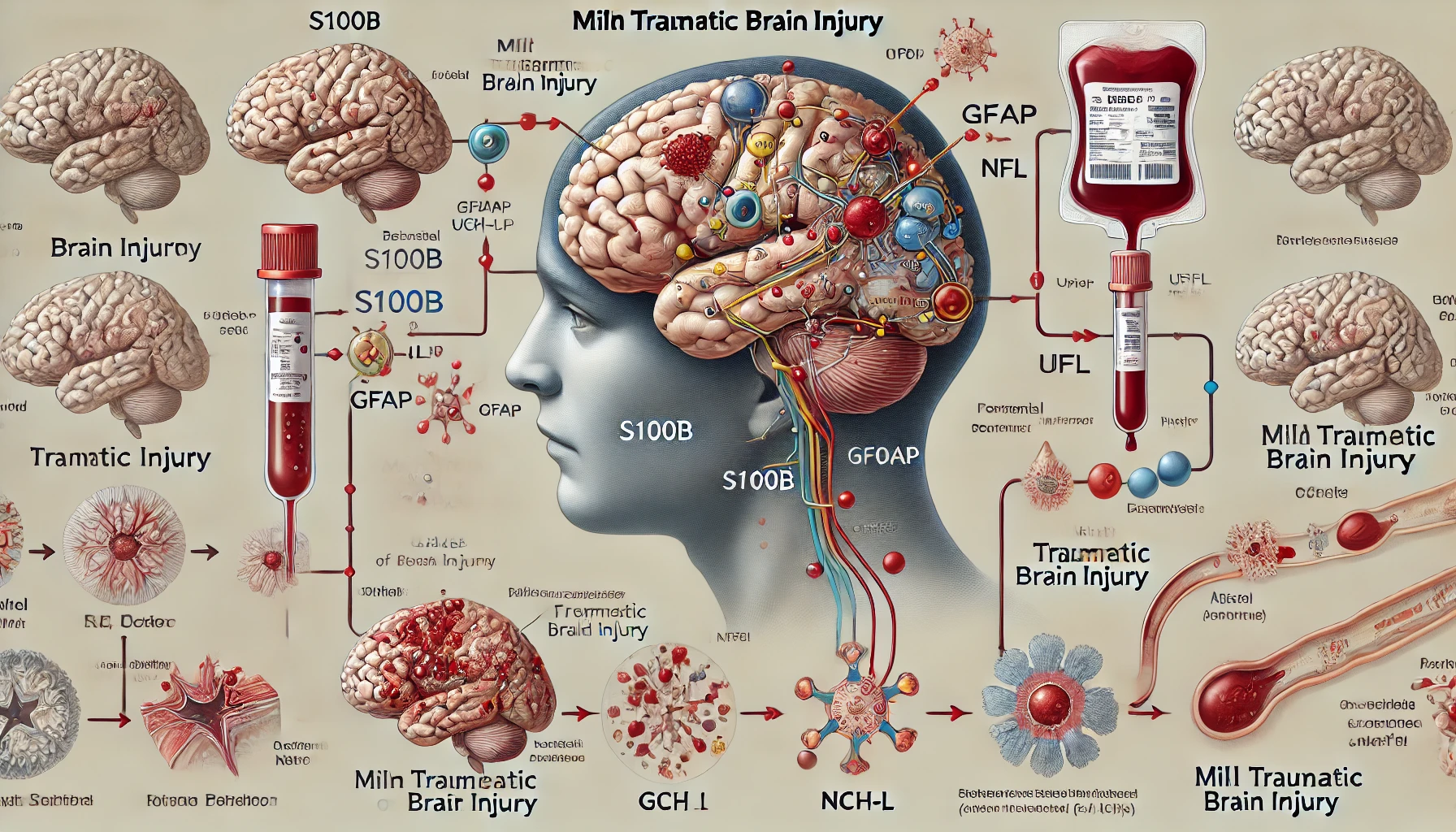
Study Overview
The investigation focuses on the rare neurological condition known as sporadic Creutzfeldt-Jakob disease (sCJD), which is classified among the prion diseases. Characterized by rapidly progressive dementia and distinctive neurological impairments, sCJD is often a diagnostic challenge due to its similarity to other neurodegenerative disorders. This case report highlights a unique scenario where sCJD presented atypically in a patient following a traumatic brain injury (TBI), which complicated the diagnostic process.
The significance of this study lies in its exploration of how previous head trauma can obscure the clinical picture of sCJD, potentially leading to misdiagnosis and inappropriate management. The interrelation between TBI and the development of neurodegenerative diseases has garnered attention, suggesting that trauma may accelerate neurological deterioration or unmask underlying conditions.
By documenting this case, the researchers aim to contribute to the medical community’s understanding of the clinical manifestations of sCJD, emphasizing the need for heightened awareness of its atypical presentations. Such awareness is crucial, particularly in emergency settings, where rapid decision-making is vital. The findings underscore the necessity for thorough clinical evaluations and judicious use of diagnostic imaging modalities, as misinterpretation of neurological signs may significantly impact patient care.
From a medicolegal standpoint, the nuances in the presentation of sCJD as influenced by prior trauma may have implications for liability concerns in cases of delayed diagnosis or misdiagnosis. Clinicians should be cognizant of the medicolegal relevance surrounding such diagnostic complexities, particularly when traumatic brain injuries occur in the absence of clear subsequent neurodegenerative symptomatology. Investigation of this dual-layered condition can help inform better clinical protocols and enhance practitioner education regarding the intersections of trauma and neurodegeneration.
Case Presentation
A 68-year-old male presented to the emergency department after suffering a mild traumatic brain injury during a fall. Initial evaluations indicated a Glasgow Coma Scale score of 15, with no immediate signs of severe head trauma. However, upon further observation, the patient began displaying unnerving changes in behavior, including rapid cognitive decline, profound memory loss, and the onset of involuntary muscle spasms.
His medical history was largely unremarkable, with no previous neurological disorders reported, aside from a few episodes of transient confusion that were attributed to aging. Within a month of the TBI, the patient’s condition deteriorated, leading to a sequence of neurological assessments. Neuroimaging showed notable cerebral atrophy that raised concerns of potential hydrocephalus. This finding was perplexing, especially considering the patient’s history of TBI, which often complicates interpretations of neuroimaging.
Comprehensive laboratory tests and cerebrospinal fluid (CSF) analysis were performed to investigate the presence of prion disease. The CSF indicative markers for sCJD, such as 14-3-3 protein and elevated total tau levels, were later assessed. The delay in diagnosis was exacerbated by the confusion surrounding the overlapping symptoms of TBI and the initial presentation of sCJD, leading to misinterpretations of diagnostic tests.
Neurologists were engaged in a multidisciplinary approach to clarify the patient’s evolving clinical manifestations. During this time, there was considerable discussion surrounding the differential diagnosis, which included other forms of dementia and post-traumatic disorders. The complexity of the case was compounded by the typical age group associated with sCJD, which, while primarily affecting older adults, can occasionally manifest atypically in younger populations or in conjunction with prior trauma.
The rapid progression of symptoms post-TBI, characterized by disorientation and severe emotional fluctuations, prompted further imaging studies, including MRI and PET scans. Ultimately, despite the initial clinical confusion and imaging findings, repeat CSF analysis confirmed the presence of prion protein, leading to the definitive diagnosis of sCJD. This case exemplifies the critical role of thorough clinical assessment and the challenges inherent in distinguishing sCJD when compounded by a recent traumatic insult.
Considering the clinical implications, the case highlights the urgent need for clinicians to maintain a high degree of suspicion for prion diseases in patients presenting with unusual neurological symptoms following TBI. Additionally, understanding the medicolegal ramifications is paramount, particularly in the event of delayed diagnosis. This case not only underscores the complexities of diagnosing sCJD amid recent trauma but also advocates for improved practitioner awareness and the establishment of guidelines to navigate similar scenarios in future clinical practice.
Diagnostic Challenges
The diagnostic journey for sporadic Creutzfeldt-Jakob disease (sCJD) can be particularly challenging, especially when compounded by recent traumatic brain injuries (TBI). In the case discussed, the overlap of symptoms often seen in both conditions creates a complicated clinical picture. Within the realm of neurology, the misinterpretation of clinical manifestations and radiological findings poses a significant risk, compromising timely and appropriate management.
Patients with sCJD typically exhibit a constellation of symptoms, including cognitive decline, memory loss, and neuropsychiatric changes. However, after a TBI, these symptoms can mirror post-concussive syndrome or other neurological disorders. Initial presentations may lead to confusion, with professionals potentially attributing rapid deterioration to the effects of the injury rather than considering underlying neurodegenerative processes. This diagnostic dilemma is further complicated by the lack of specific, observable clinical tests for sCJD, which can lead to misdiagnosis and subsequent delays in appropriate interventions.
Neuroimaging, particularly MRI, often plays a crucial role in the diagnostic process. However, in this case, findings of cerebral atrophy and potential hydrocephalus were easily misattributed to the patient’s trauma, making it difficult for clinicians to recognize the signs of sCJD early on. The relevance of CSF analysis cannot be overstated; although certain biomarkers—such as elevated total tau and the presence of 14-3-3 protein—are indicative of sCJD, their interpretation can be confounded by the patient’s recent head injury. Additionally, altered cerebrospinal fluid profiles may arise from other etiologies present post-TBI, creating further diagnostic ambiguity.
A multidisciplinary approach becomes vital in cases like this, where specialists from neurology, radiology, and possibly infectious disease must collaborate to ensure a comprehensive evaluation of the patient. Establishing an effective differential diagnosis is paramount, especially in distinguishing sCJD from other dementias, particularly as the age demographics for sCJD typically skew towards older populations.
The medicolegal aspects of such diagnostic challenges are significant. Delayed diagnoses can lead to debates on clinical negligence if the lack of early intervention results in an avoidable decline in the patient’s condition. Medical professionals must remain acutely aware of the legal implications surrounding the intersections of trauma and neurodegenerative disease, ensuring that they advocate for thorough investigations even when presented with cases that initially seem purely traumatic.
In conclusion, the intrinsic complexities in diagnosing sCJD, especially after a TBI, reinforce the importance of heightened awareness and vigilance among healthcare providers. Establishing clear protocols for recognizing atypical presentations can lead to improved patient outcomes and assist in mitigating legal repercussions related to misdiagnosis. Enhanced education and training regarding prion diseases and their intricacies within the clinical framework are essential steps toward addressing these ongoing diagnostic challenges.
Treatment and Management
The management of sporadic Creutzfeldt-Jakob disease (sCJD) poses significant challenges primarily due to the absence of effective treatments, as the condition is characterized by relentless progression and a poor prognosis. In the case presented, following the definitive diagnosis of sCJD, a comprehensive approach was essential in addressing the symptomatic aspects and maintaining the quality of life for the patient.
Given the rapid deterioration in cognitive function and behavioral changes associated with sCJD, supportive care is critical. This entails a multidisciplinary strategy that incorporates neurologists, palliative care specialists, nursing staff, and psychologists. Such a collaborative approach ensures that the patient’s physical, emotional, and psychological needs are adequately addressed. Symptom management may include pharmacological interventions for anxiety, depression, and muscle spasms, utilizing medications such as benzodiazepines for anxiety and antipsychotics for severe behavioral disturbances. However, careful consideration is crucial, as some medications may exacerbate confusion or sedation in patients experiencing delirium.
As the disease progressed in this case, the importance of palliative care became increasingly vital. Palliative care focuses on alleviating symptoms and enhancing the quality of life, rather than curative measures. It also encompasses discussions about patients’ and families’ goals of care, addressing their concerns and preferences regarding end-of-life issues. Given the unpredictable course of sCJD, including potential complications such as respiratory distress or difficulty in swallowing, advanced care planning is essential. This can guide the family in making informed decisions as the disease advances.
Nutritional support is another vital aspect of management, particularly as dysphagia (difficulty swallowing) may develop late in the disease. The implementation of feeding tubes may be considered, but such decisions need to be predicated on a thorough evaluation of the patient’s overall condition and quality of life considerations.
One critical element of treatment is education for both the patient’s family and the healthcare team about the nature of sCJD. Families often face not only the emotional burden of watching their loved ones rapidly decline but also the responsibilities of managing complex care needs. Education regarding the disease trajectory, symptom management, and the available support services is crucial to empower families to cope effectively.
Given the public health implications of prion diseases, it is imperative to have clear protocols concerning the handling and disposal of contaminated materials, especially in hospital settings. This point is often overlooked in the management of sCJD, yet it bears significant medicolegal relevance. Staff must be trained in the unique aspects of prion disease, as neglecting these protocols can lead to transmission risks even in non-human cases.
From a legal perspective, the absence of a curative treatment and the inevitability of rapid patient decline can complicate medicolegal matters surrounding informed consent and advance directives. Healthcare providers need to ensure that they have thorough discussions with patients and families regarding diagnosis, expected progression, and treatment options, even when the outlook is dire.
In cases such as this, where a patient’s presentation is complicated by prior TBI, it becomes paramount to document all clinical interactions, treatment decisions, and patient and family communications rigorously. Such diligence not only aids in continuity of care but also serves to protect healthcare providers in the event of future legal scrutiny regarding the care delivered.
Ultimately, while the management of sCJD remains predominantly supportive, the focus on empathetic care and comprehensive symptom management plays a vital role in enhancing patient dignity during the disease’s terminal trajectory. The inclusion of broader healthcare professionals ensures a holistic approach, addressing not just the medical, but also the psychological and social challenges faced by patients and their families.