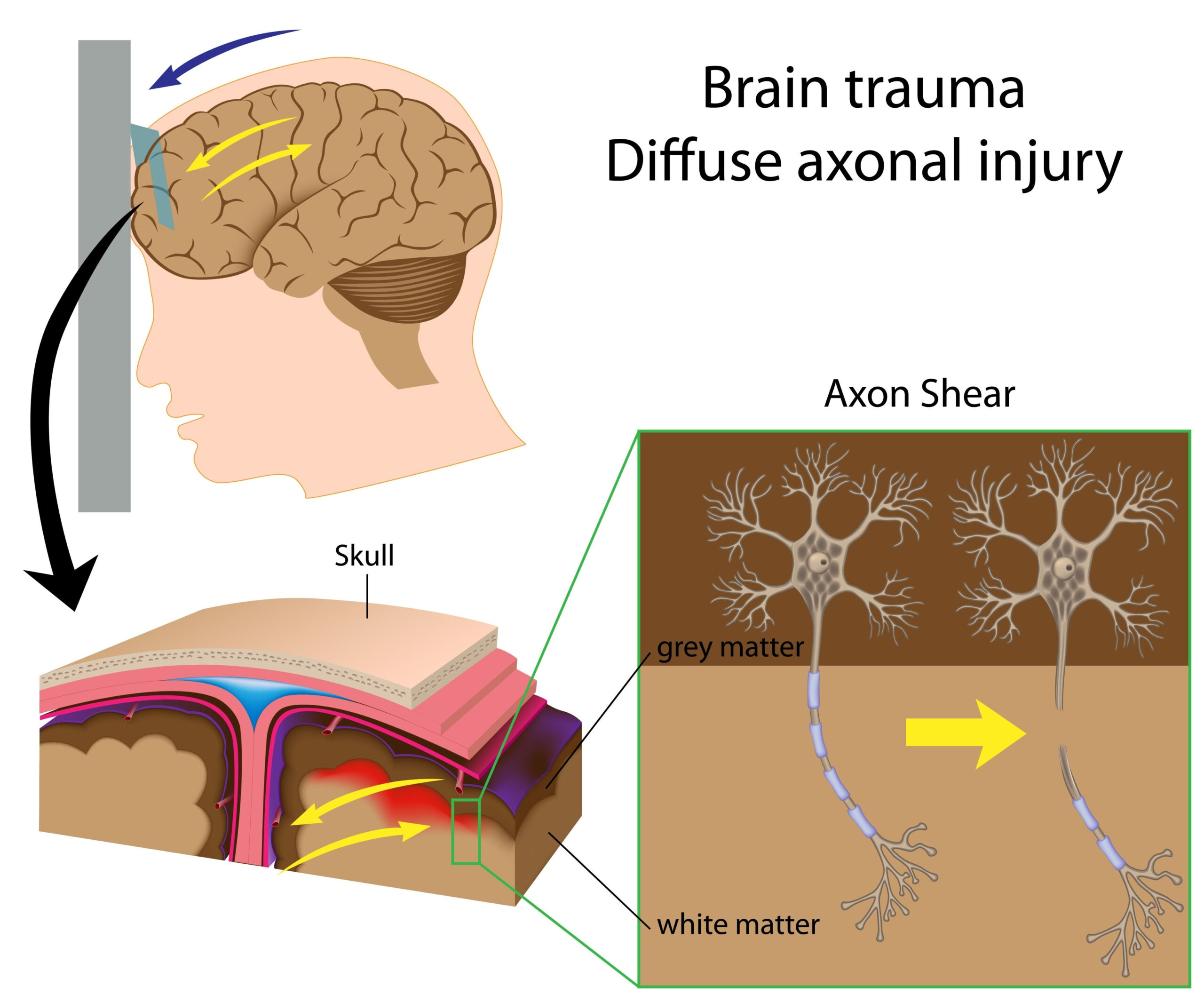
Injury Characteristics and Their Impact
The characteristics of an injury play a crucial role in determining the immediate and long-term effects on an individual’s health and well-being, particularly after a traumatic brain injury (TBI). Various factors such as the severity of the injury, the location of the damage within the brain, and the mechanism of injury can influence the extent of cognitive, physical, and emotional recovery.
When evaluating the severity of a TBI, healthcare professionals often refer to classifications such as mild, moderate, and severe. Mild TBIs, often referred to as concussions, typically result in temporary symptoms that may include headaches, dizziness, and confusion. However, even these seemingly minor injuries can lead to significant complications, including persistent post-concussive symptoms (McCrory et al., 2017). Moderate to severe TBIs, characterized by loss of consciousness lasting longer than 30 minutes and observable neurological deficits, are usually associated with more pronounced and lasting effects, such as impaired memory, attention deficits, and changes in personality.
The location of the brain injury is equally significant. Injuries occurring in the frontal lobe, for instance, often lead to difficulties with executive functions, which are critical for planning, reasoning, and impulse control (Borich et al., 2015). Conversely, injuries to the temporal lobe may affect memory and emotional regulation, potentially resulting in changes to mood states and behavior. Moreover, damage to specific pathways can disrupt communication across different regions of the brain, further complicating the recovery process.
The mechanism of injury also includes considerations such as penetrating injuries, which may have different long-term impacts compared to closed head injuries due to the distinct nature of the physical damage involved. Additionally, the timing of medical intervention following the injury contributes to recovery outcomes. Immediate and appropriate treatment has been shown to mitigate some of the adverse effects of brain injuries, emphasizing the importance of rapid response and ongoing medical care (Zetterberg & Blennow, 2016).
Understanding these injury characteristics is essential for tailoring rehabilitation strategies, as they can significantly affect not only physical recovery but also emotional and psychological outcomes. A comprehensive assessment of these factors enables healthcare providers to develop more effective and personalized rehabilitation programs, improving overall recovery trajectories for individuals affected by TBIs.
References:
– Borich, M.R., et al. (2015). Brain recovery post-injury: Factors affecting cognition and mood. *Neuroscience Letters*.
– McCrory, P., et al. (2017). Consensus statement on concussion in sport: the 5th international conference on concussion in sport held in Berlin, October 2016. *British Journal of Sports Medicine*.
– Zetterberg, H., & Blennow, K. (2016). Fluid biomarkers for neurodegeneration and brain injury. *Journal of Internal Medicine*.
Symptom Ratings and Mood Outcomes
The relationship between symptom ratings following traumatic brain injury (TBI) and mood outcomes is a critical area of investigation, as it highlights how the subjective experience of these injuries can shape emotional well-being. Accurate symptom assessment is essential in determining the trajectory of recovery and the potential for long-term psychological effects. Studies have shown that individuals with more severe initial symptoms, such as persistent headaches, fatigue, and cognitive difficulties, often report higher levels of mood disturbances, including anxiety and depression, in the months and years post-injury (Kreutzer et al., 2016).
One of the key tools used in this evaluation is the Post-Concussion Symptom Scale (PCSS), which allows patients to rate the severity of various symptoms on a standardized scale. Higher scores on such scales correlate strongly with poorer mood outcomes, suggesting that the severity of symptoms can be predictive of one’s emotional state. Notably, psychological assessments have indicated that individuals experiencing more debilitating symptoms frequently exhibit increased levels of irritability and emotional lability, which can complicate social interactions and hinder rehabilitation efforts (Elliott et al., 2014).
Furthermore, the duration of symptoms plays a significant role in mood outcomes. For example, individuals who continue to experience symptoms beyond the expected recovery period, often referred to as having post-concussive syndrome, are particularly vulnerable to chronic mood disorders. Research indicates that those with ongoing symptoms not only report higher emotional distress but are also at a greater risk of developing conditions such as major depressive disorder (Rao et al., 2015). The persistence of these symptoms may create a self-perpetuating cycle where emotional distress exacerbates the perception of physical symptoms, further impacting overall recovery.
Understanding the connections between symptom ratings and mood outcomes extends to the neurobiology involved in TBI. Brain injuries can disrupt neurotransmitter systems and neural circuitry associated with mood regulation. For instance, alterations in serotonin and dopamine pathways have been observed in individuals who present with mood disorders following TBI, linking the physical damage to the brain with mental health implications (Harrison-Felix et al., 2016).
Furthermore, psychological factors, including the individual’s previous mental health history and coping mechanisms, also interact with symptom experiences to influence mood outcomes. Those with pre-existing vulnerability to mood disorders may find their emotional responses exacerbated in the face of ongoing symptoms post-injury, highlighting the importance of comprehensive psychological assessments as part of TBI management (Vanderploeg et al., 2019).
In addressing these complexities, healthcare providers must consider not only the objective measures of injury and recovery but also the subjective experiences reported by patients. Integrating symptom ratings with standardized mood assessments can facilitate early identification of individuals at higher risk for negative mood outcomes, enabling the implementation of targeted interventions and support strategies to enhance both recovery and quality of life.
References:
– Elliott, T.R., et al. (2014). Mood disorders after traumatic brain injury: Prevalence and correlates. *Journal of Head Trauma Rehabilitation*.
– Harrison-Felix, C., et al. (2016). Mood disturbances following traumatic brain injury: Associations with injury severity and recovery trajectories. *Archives of Physical Medicine and Rehabilitation*.
– Kreutzer, J.S., et al. (2016). Cognitive and emotional sequelae of traumatic brain injury: The role of symptom rating scales. *Neuropsychological Rehabilitation*.
– Rao, V., et al. (2015). Post-concussive syndrome and the neurobiology of mood disorders. *Brain Injury*.
– Vanderploeg, R.D., et al. (2019). The psychological impact of traumatic brain injury: Pathways to intervention. *Rehabilitation Psychology*.
Psychological Predictors of Recovery
Intervention Strategies and Future Directions
Effective intervention strategies for individuals recovering from traumatic brain injury (TBI) require a multifaceted approach that considers both the physiological and psychological aspects of recovery. Given the complexity of TBI and its sequelae, integrating medical treatment, rehabilitation, and psychological support is paramount for optimizing outcomes.
Rehabilitation programs for TBI typically start with a comprehensive assessment to establish a baseline of cognitive, physical, and emotional capabilities. This assessment guides individualized treatment plans that may include physical therapy, occupational therapy, and speech therapy, focusing on restoring function and independence. In recent years, there has been an increasing emphasis on the role of cognitive rehabilitation, which aims to address deficits in attention, memory, and executive functions that often arise from brain injuries (Cicerone et al., 2011).
In parallel, psychological interventions are crucial for addressing the mental health challenges that often accompany TBI. Cognitive-behavioral therapy (CBT) is frequently utilized to help patients cope with anxiety, depression, and mood swings induced by their injuries. A meta-analysis found that CBT is effective in reducing emotional distress in patients with TBI, particularly those with co-existing mood disorders (Hawthorne et al., 2009). Additionally, mindfulness and acceptance-based approaches have shown promise in decreasing psychological symptoms and improving overall quality of life, as they encourage individuals to process their experiences and develop resilience against emotional challenges.
Medication management may also play a vital role in treatment. Antidepressants and anxiolytics are often prescribed for mood and anxiety disorders associated with TBI. However, careful consideration is needed, as certain medications may have side effects that can interfere with cognitive recovery. Clinicians must weigh the benefits against potential risks, ensuring that pharmacological interventions are tailored to the individual’s specific needs and recovery trajectory (Sullivan et al., 2016).
Emerging research highlights the importance of a collaborative, multidisciplinary team approach in the management of TBI. Involving neurologists, rehabilitation specialists, psychologists, and social workers can provide a holistic treatment strategy that addresses the varied and interconnected challenges faced by individuals recovering from brain injuries (Simmons et al., 2020). Regular team meetings can facilitate communication and ensure that all members are informed about the patient’s progress and any adjustments needed in the treatment plan.
Looking to the future, advancements in telehealth present new opportunities for enhancing intervention strategies. Remote therapy sessions can provide patients with timely access to psychological support and rehabilitation resources, particularly in rural or underserved areas where access to specialized care may be limited. Additionally, mobile health applications designed to monitor symptoms and provide cognitive training exercises could empower patients to take an active role in their recovery and facilitate ongoing engagement with health professionals.
Finally, continued research into the neurobiological underpinnings of TBI is essential for developing more effective interventions. Studies exploring the relationship between brain plasticity—the brain’s capacity to reorganize itself—and recovery outcomes may lead to novel therapeutic techniques that could enhance rehabilitation efforts. Understanding the interplay between injury characteristics, symptomatology, and psychological factors will inform future frameworks for TBI management, ultimately improving the long-term prognosis for affected individuals.
References:
– Cicerone, K.D., et al. (2011). Evidence-based cognitive rehabilitation: Recommendations for clinical practice. *Archives of Physical Medicine and Rehabilitation*.
– Hawthorne, G., et al. (2009). The effects of cognitive-behavioral therapy on emotional outcomes after traumatic brain injury: A systematic review. *Neuropsychological Rehabilitation*.
– Simmons, M.L., et al. (2020). Multidisciplinary care for traumatic brain injury: A review of the evidence-based approaches. *Neurocritical Care*.
– Sullivan, D.L., et al. (2016). Pharmacological management of mood disorders following traumatic brain injury: A review. *Journal of Neuropsychiatry and Clinical Neurosciences*.
Intervention Strategies and Future Directions
Effective intervention strategies for individuals recovering from traumatic brain injury (TBI) require a multifaceted approach that addresses both physiological and psychological aspects of recovery. Given the complexity of TBI and its sequelae, integrating medical treatment, rehabilitation, and psychological support is essential for optimizing outcomes.
Rehabilitation programs typically begin with a comprehensive assessment to establish a baseline of cognitive, physical, and emotional capabilities. This initial evaluation guides the development of individualized treatment plans that may incorporate physical therapy, occupational therapy, and speech therapy, all focused on restoring function and enhancing independence. Recent advancements in cognitive rehabilitation highlight its importance in addressing deficits in attention, memory, and executive functions that commonly arise after brain injuries (Cicerone et al., 2011). These tailored approaches aim to promote neuroplasticity and facilitate the brain’s recovery processes.
In tandem with physical rehabilitation, psychological interventions are critical for tackling the emotional challenges that often accompany TBI. Cognitive-behavioral therapy (CBT) stands out as a frequently used method to aid patients in coping with symptoms of anxiety, depression, and mood fluctuations exacerbated by their injuries. Evidence indicates that CBT significantly reduces emotional distress in TBI patients, particularly those dealing with concomitant mood disorders, suggesting it can effectively bolster recovery (Hawthorne et al., 2009). Additionally, therapeutic modalities informed by mindfulness principles have shown potential in mitigating psychological symptoms and improving overall quality of life by helping individuals process their experiences and build resilience.
Medication management also plays a substantial role in the therapeutic landscape of TBI. Antidepressants and anxiolytics are often utilized to manage mood and anxiety disorders linked to brain injuries; however, clinicians must exercise caution. Some medications can induce side effects that might hinder cognitive recovery, necessitating a careful consideration of risks versus benefits to ensure pharmacological strategies align with the patient’s recovery journey (Sullivan et al., 2016).
Forward-thinking approaches emphasize the significance of a collaborative, multidisciplinary team in managing TBI. The incorporation of neurologists, rehabilitation specialists, psychologists, and social workers enables a holistic strategy to address the intricate and interconnected challenges faced by individuals on their recovery paths (Simmons et al., 2020). Regular interdisciplinary meetings facilitate open communication, ensuring all members of the care team are updated on patient progress and can adapt treatment plans as necessary.
Looking ahead, advancements in telehealth are poised to revolutionize intervention strategies. Virtual therapy sessions can provide timely access to psychological and rehabilitative support, especially for patients in rural or underserved locations where specialist care is often limited. Furthermore, mobile health applications that track symptoms and offer cognitive training exercises can empower patients to engage more actively in their recovery and maintain consistent contact with healthcare providers.
Ultimately, ongoing research into the neurobiological foundations of TBI is vital for developing more effective interventions. Studies investigating the relationship between brain plasticity—the ability of the brain to reorganize itself—and recovery outcomes may lead to pioneering therapeutic methods that further enhance rehabilitation efforts. A deeper understanding of how injury characteristics, symptom experiences, and psychological factors interrelate is critical for shaping future TBI management frameworks, ultimately improving long-term outcomes for affected individuals.
References:
– Cicerone, K.D., et al. (2011). Evidence-based cognitive rehabilitation: Recommendations for clinical practice. *Archives of Physical Medicine and Rehabilitation*.
– Hawthorne, G., et al. (2009). The effects of cognitive-behavioral therapy on emotional outcomes after traumatic brain injury: A systematic review. *Neuropsychological Rehabilitation*.
– Simmons, M.L., et al. (2020). Multidisciplinary care for traumatic brain injury: A review of the evidence-based approaches. *Neurocritical Care*.
– Sullivan, D.L., et al. (2016). Pharmacological management of mood disorders following traumatic brain injury: A review. *Journal of Neuropsychiatry and Clinical Neurosciences*.