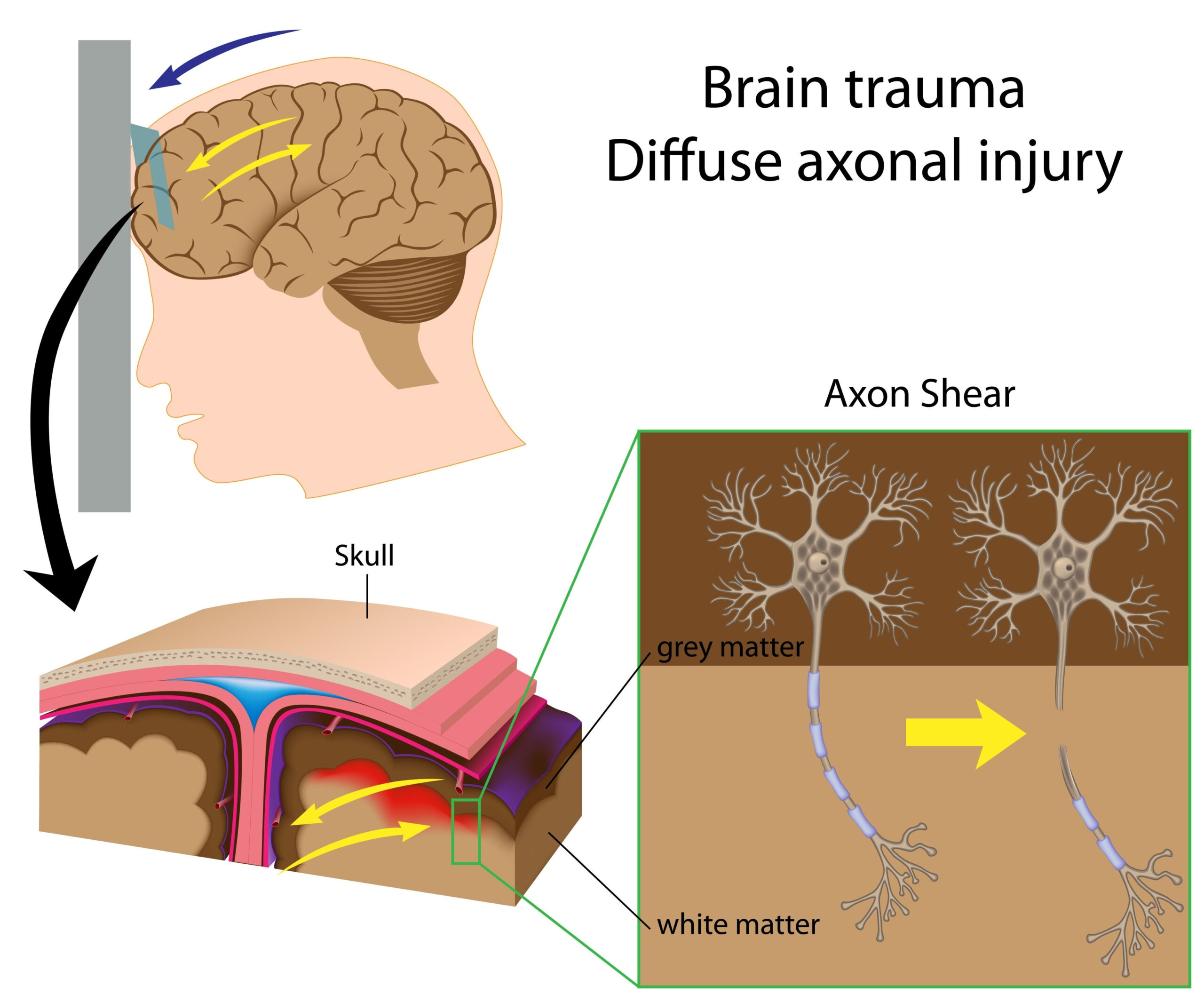
Study Overview
This research investigates the interconnections between gut dysbiosis, interleukin-6 (IL-6) levels, and the integrity of white matter microstructure in individuals experiencing acute mild traumatic brain injury (mTBI). Mild traumatic brain injury is prevalent in various settings, such as sports, accidents, and falls, and its acute effects can significantly impact neurological function and recovery. The study emphasizes the significance of the gut-brain axis, which suggests that gut microbiota may influence neurological outcomes through immune and inflammatory pathways.
The researchers aimed to clarify how alterations in gut microbiota, characterized as gut dysbiosis, may contribute to increased levels of IL-6, a pro-inflammatory cytokine known to play a role in various neuroinflammatory conditions. Changes in the levels of these cytokines are critical given that increased IL-6 can impact neural pathways and potentially affect brain recovery processes following injury. The study hypothesizes that a compromised gut microbiome could exacerbate inflammatory responses, thus influencing the microstructural integrity of white matter—a tissue crucial for efficient brain communication and function.
Data collection involved examining a cohort of individuals diagnosed with acute mTBI to assess both their gut microbiota composition and IL-6 levels, alongside advanced neuroimaging techniques to analyze white matter structure. By integrating microbiology, immunology, and neuroimaging, the study aims to provide a comprehensive understanding of how these elements interplay in the context of brain injury. The findings from this study could pave the way for innovative therapeutic strategies targeting gut health to mitigate the adverse effects of mTBI on brain recovery.
Methodology
The study utilized a multi-faceted approach to investigate the relationship between gut dysbiosis, IL-6 levels, and white matter microstructure in subjects experiencing acute mTBI. A cohort of participants was selected following specific inclusion criteria, focusing on individuals aged 18 to 65 who had sustained a mild traumatic brain injury within the past 72 hours. This timeframe was crucial for capturing the acute inflammatory responses that occur immediately following injury.
To assess gut microbiota diversity and abundance, stool samples were collected from participants for microbial analysis. These samples were subjected to metagenomic sequencing, allowing for a comprehensive characterization of the microbiome. The sequencing data enabled researchers to identify specific bacterial taxa and assess overall microbial richness and diversity. This detailed profiling provided insights into gut dysbiosis, which was categorized based on deviations from a healthy microbiome profile.
In parallel, blood samples were drawn to measure IL-6 concentrations using enzyme-linked immunosorbent assay (ELISA) techniques. This method enabled precise quantification of the cytokine, which is known to be elevated during inflammatory processes, and is implicated in neural signaling pathways following brain injury. The timing of blood collection was standardized to ensure accuracy in reflecting the inflammatory state of participants shortly after injury.
Neuroimaging was conducted using diffusion tensor imaging (DTI), an advanced MRI technique specially designed to assess and visualize microstructural properties of white matter. DTI measures the directionality of water diffusion in brain tissue, providing metrics such as fractional anisotropy (FA) and mean diffusivity (MD), which serve as indicators of white matter integrity. Participants underwent a neuroimaging session within a week of their injury to capture any early changes in white matter structures.
Data analysis involved correlating the findings from microbiome sequencing with IL-6 measurements and DTI metrics. Statistical analyses were performed to identify significant relationships, controlling for potential confounding variables such as age, sex, and comorbidities. The integrative analysis of microbiological, immunological, and neuroimaging data allowed for a comprehensive evaluation of how gut health influences brain recovery processes post-mTBI. By employing this rigorous methodology, the researchers aimed to elucidate the intricate connections between systemic inflammation, gut microbiota, and neural integrity in the context of acute brain injury.
Key Findings
The study yielded several important findings that highlight the complex interplay between gut dysbiosis, IL-6 levels, and white matter microstructure in individuals with acute mTBI. Firstly, a significant correlation was observed between altered gut microbiota profiles and elevated levels of IL-6. Participants exhibiting gut dysbiosis, characterized by reduced microbial diversity and specific bacterial imbalances, had notably higher concentrations of IL-6 in their blood. This cytokine is widely recognized for its role in mediating inflammatory responses, and its heightened presence indicates an amplified inflammatory state following mTBI.
Moreover, neuroimaging results revealed that the integrity of white matter was compromised in individuals with both pronounced gut dysbiosis and elevated IL-6 levels. Specifically, metrics obtained through diffusion tensor imaging (DTI) showed decreased fractional anisotropy (FA) and increased mean diffusivity (MD) among those with significant microbiota imbalances. FA, which reflects the directional coherence of water molecules as they diffuse along white matter tracts, provides an indication of the health of these neural pathways. Lower FA values generally suggest disrupted white matter integrity, which is consistent with the findings that inflammatory processes can lead to degeneration of neural structures.
Interestingly, the study also identified specific bacterial taxa that were associated with improved white matter metrics. For example, a greater abundance of certain beneficial bacteria correlated with better microstructural integrity and lower IL-6 levels. This suggests that maintaining a balanced gut microbiome could play a protective role in preserving neurovascular and cognitive functions following acute brain injuries.
These findings contribute to a growing body of evidence that links the gut-brain axis with neurological health, particularly in the context of traumatic injuries. They emphasize the potential for gut microbiota profiles to serve as biomarkers for assessing the inflammatory response and recovery trajectory in patients with mTBI. Collectively, the results underscore the need for further investigation into how therapeutic interventions targeting gut dysbiosis might mitigate inflammatory responses and enhance recovery outcomes for individuals experiencing mild traumatic brain injuries.
Implications for Future Research
The findings of this study underscore the necessity for further exploration into the multifaceted relationship between gut health, inflammatory markers, and brain recovery dynamics, especially in the context of mild traumatic brain injury (mTBI). The observed correlations between gut dysbiosis and elevated IL-6 levels, alongside the implications for white matter integrity, herald a new direction for research that could enhance our understanding of neuroinflammatory processes and their consequences following mTBI.
Future research could prioritize longitudinal studies to track changes in gut microbiota and IL-6 levels over time post-injury, allowing researchers to delineate causative relationships rather than mere associations. This could facilitate insights into whether dysbiosis is a contributor to heightened inflammatory responses or an effect of the physiological changes following injury. Understanding the timing and duration of these changes is critical, as it may inform the optimal windows for therapeutic interventions aimed at modifying the gut microbiome to improve outcomes.
Interventional studies would be particularly valuable, examining the effects of dietary modifications, probiotics, or prebiotics on gut microbiota composition and subsequent IL-6 levels. Such studies could establish whether improving gut health can directly influence inflammatory markers and, by extension, structural brain integrity and recovery post-mTBI. The development of randomized controlled trials could provide robust evidence on the effectiveness of gut-targeted therapies in mitigating inflammation and supporting neural recovery.
Moreover, the identification of specific bacterial taxa associated with improved neuroimaging metrics warrants further investigation into how these microorganisms can be nurtured. Research could explore the underlying mechanisms through which beneficial gut bacteria exert neuroprotective effects, perhaps through the production of short-chain fatty acids or modulation of immune responses, thereby contributing to a more comprehensive understanding of the gut-brain axis.
Additionally, multidisciplinary approaches that integrate microbiology, neuroscience, and immunology will be essential for unraveling the complex interactions at play. By employing advanced techniques in microbiome analysis and neuroimaging, researchers can enhance the granularity of data obtained, leading to deeper insights into how individual variability in gut microbiota may influence recovery patterns. This could ultimately inform personalized treatment strategies that take into account the unique microbiome profiles of patients.
Lastly, there is considerable potential for translating these findings into clinical practice. Developing predictive models that incorporate gut microbiome assessments and IL-6 evaluations could aid clinicians in stratifying risk for poor recovery after mTBI. Such models may not only assist in monitoring recovery trajectories but could also prompt timely and personalized interventions that enhance rehabilitation outcomes.