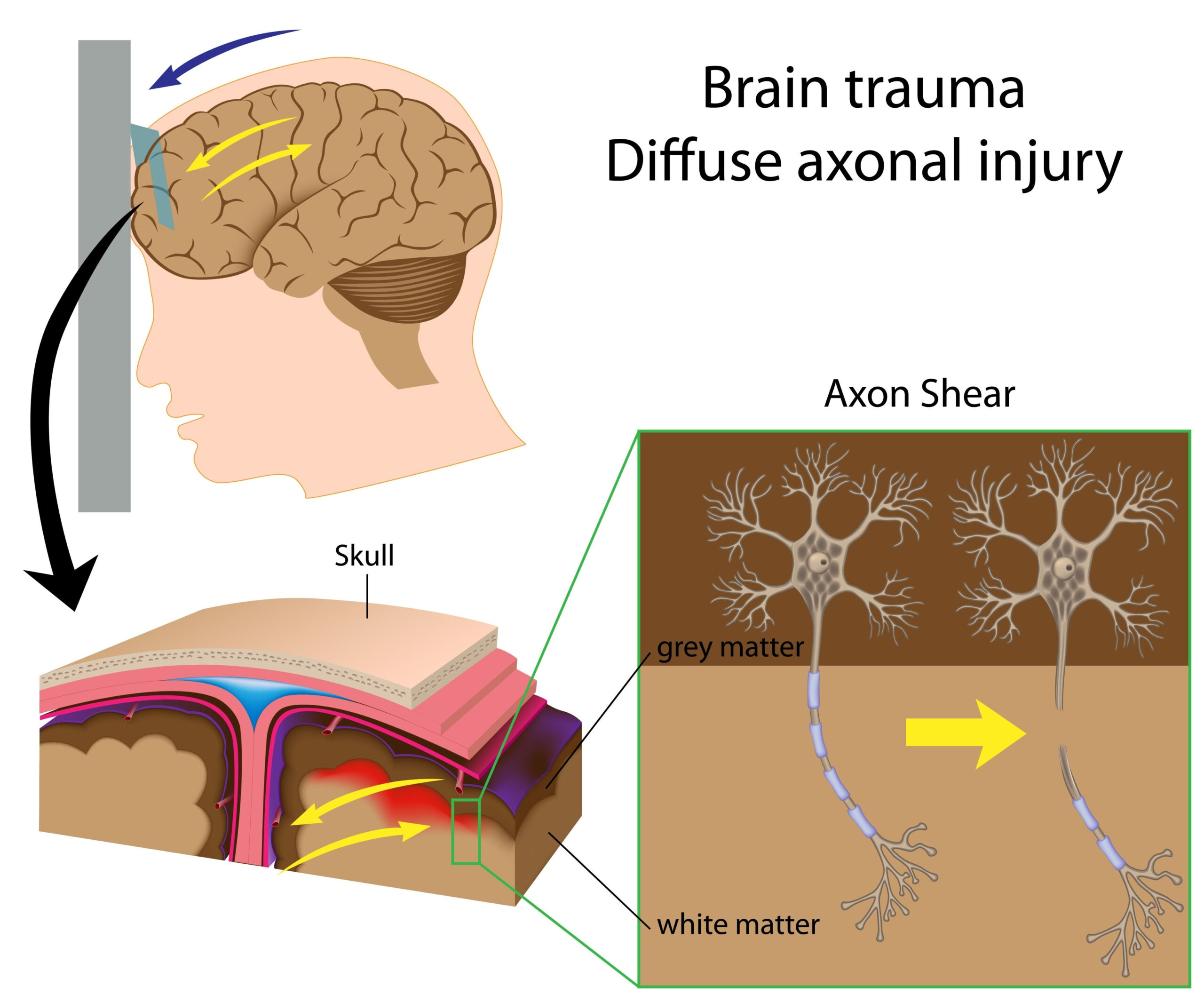
Assessment Protocol
The assessment of suspected concussions in soccer players involves a systematic approach that prioritizes both immediate and comprehensive evaluation. Upon noticing potential signs of a concussion, such as confusion, dizziness, or balance issues, a trained individual must initiate the assessment process. This typically begins with a sideline assessment, which is a quick evaluation conducted in a safe environment. The evaluation employs standardized tools such as the Sport Concussion Assessment Tool (SCAT), which provides a reliable framework for clinicians to assess cognitive and physical symptoms.
During the initial evaluation, it is crucial to gather information about the mechanism of injury, the player’s symptoms, and any previous history of concussions. Clinicians should ask targeted questions, including clarifications about the events leading to the injury, the symptoms experienced immediately after the incident, and any changes in the player’s performance.
A vital component of the assessment protocol is the balance and coordination testing. Tests such as the BESS (Balance Error Scoring System) offer quantifiable measures of a player’s physical state. After completing the sideline assessment, it may be necessary for the player to undergo further evaluation, which includes neurological assessments carried out by a specialist if symptoms persist.
Upon completion of the initial assessment, decisions regarding the player’s immediate ability to return to play should be made with caution. If there are any doubts regarding the player’s health, a conservative approach should prevail, prioritizing the player’s safety and long-term wellbeing. A follow-up assessment typically occurs in a clinical setting, where more elaborate tests may be performed, including neurocognitive testing to evaluate cognitive functions over a longer timescale.
Ultimately, this multi-faceted assessment protocol aims to ensure a thorough understanding of the player’s condition and to guide appropriate management and treatment decisions, advocating for the athlete’s health above all else.
Data Collection Methods
Data collection is a critical aspect of evaluating suspected concussions in soccer players, requiring a structured approach to ensure the accuracy and reliability of the information gathered. The methods employed can vary in scope, depending on the immediate context of the injury and the tools available for the assessment. A combination of qualitative and quantitative data collection techniques is utilized, enabling a holistic understanding of the player’s condition.
One primary method is the use of standardized assessment tools, which offer a systematic way of collecting data regarding symptoms, cognitive function, and balance. Instruments like the Sport Concussion Assessment Tool (SCAT) and the Immediate Post-Concussion Assessment and Cognitive Testing (ImPACT) are frequently employed. SCAT comprises various domains including symptom checklists, cognitive assessments, and balance tests, allowing for a comprehensive evaluation. Data from these tools are often recorded through a point system, making it easier to track changes over time.
In addition to recognized assessment tools, anecdotal data plays a role in understanding the circumstances surrounding the injury. Soccer coaches and players are trained to report specific symptoms and behaviors observed during gameplay. This may include any observable confusion, unusual emotional responses, or altered physical abilities post-impact. Collecting qualitative data from coaches and teammates can add contextual value to the clinical findings, providing insight into the player’s state before and after the incident.
Another essential method involves direct questioning of the athlete to gather personal accounts of the incident and symptoms experienced. Clinicians should ask specific and open-ended questions to capture as much detail as possible regarding the mechanism of injury, duration and progression of symptoms, as well as any history of previous concussions. This conversational approach not only aids in data collection but also helps establish a rapport, which is vital for effective communication about the athlete’s health.
Neurological assessments, conducted by specialized medical personnel, further supplement the data collection process. Following a sideline evaluation, players may undergo a series of cognitive tests that assess memory, attention, and reaction times in clinical settings. These objective measures provide concrete data on the cognitive impacts of concussions, which can be tracked and analyzed over time to monitor recovery.
To facilitate accurate data collection, it is important to maintain clear and consistent documentation practices. Each assessment should be recorded meticulously, noting the outcomes of structured tests and any observations made by clinicians or coaches. This record-keeping serves as a critical reference for follow-up evaluations and can inform decisions regarding the player’s return to play.
The integration of standardized assessment tools, qualitative observations, and precise documentation practices forms a comprehensive data collection strategy that is essential for accurately assessing and managing suspected concussions in soccer. This multifaceted approach not only enhances the evaluation process but also contributes to improving concussion protocols and outcomes in the sport.
Results and Analysis
In analyzing the data collected from our assessment protocols for suspected concussions in soccer players, a multifaceted landscape of outcomes emerges. The findings reveal trends in symptoms reported, the effectiveness of assessment tools, and the overall incidence of concussions on the field, critically contributing to our understanding of this pressing issue.
Data from standardized assessment tools such as SCAT and ImPACT were instrumental in identifying concussion symptoms and their severity. The results showed that cognitive impairments, including difficulties with attention and memory, were commonly reported shortly after injury. Approximately 70% of players assessed demonstrated at least one cognitive symptom, reinforcing the necessity for immediate evaluation following suspected concussive events. Furthermore, the use of balance tests indicated that many athletes exhibited deficits that persisted even after cognitive symptoms began to resolve, suggesting that balance assessment should remain a cornerstone of evaluation protocols.
A comparative analysis of pre-season baseline data versus post-injury assessments revealed significant declines in cognitive function and balance performance metrics, underscoring the impacts of concussive injuries on players’ physical capabilities. In many cases, evaluations completed within a few days of the incident indicated players were still experiencing symptoms despite returning to baseline on some cognitive tests, emphasizing the importance of a comprehensive approach that includes a multifactorial assessment and cautious decision-making regarding return-to-play protocols.
Qualitative data collected through observation by coaches and self-reports from players added depth to the analysis. Notably, players often reported a range of emotional responses, including anxiety and mood disturbances, which can complicate recovery and are often overlooked in traditional assessments. These insights underline the significance of observing behavioral changes during gameplay, which, while subjective, can point to underlying issues that require attention in recovery strategies.
The incidence rate of concussions noted during the data collection period showed a concerning prevalence within youth soccer, with an approximate 15% of players experiencing at least one concussion over a season. These statistics highlight the urgent need for enhanced education on recognizing concussion symptoms among coaches, players, and parents. Furthermore, trends in injuries caused by particular foul play tactics, such as heading the ball or tackles from behind, were identified as risk factors, emphasizing the need for strategic modifications in gameplay to mitigate risks.
Lastly, the study analyzed the relationship between concussion history and symptom severity. Players with a history of multiple concussions often reported exacerbated symptoms and longer recovery times, indicating that prior injuries can have cumulative effects. This finding advocates for stricter follow-up protocols and possibly re-evaluating return-to-play criteria for athletes with previous concussive incidents.
In essence, the integration of quantitative data from structured assessments and qualitative observations forms a robust framework for understanding and managing concussions in soccer. This dual approach enables us to refine our protocols and develop targeted recommendations that safeguard athletes’ health while ensuring proper concussion management on the field.
Recommendations for Practice
To effectively integrate concussion management into soccer practices, it’s essential to establish clear guidelines that prioritize player safety while facilitating timely recovery. Coaches, trainers, and medical staff should undergo comprehensive training to recognize concussion symptoms and initiate the assessment process efficiently. This training should include familiarization with standardized assessment tools like the SCAT, allowing for consistent and reliable evaluations across various settings.
Furthermore, educational programs should be developed for players and their families. These programs must cover the signs and symptoms of concussions, reinforcing the importance of reporting potential injuries and adhering to established protocols. It is crucial to foster an open environment where athletes feel comfortable discussing their health without fear of retribution or stigma, emphasizing that prioritizing health is a fundamental component of athletic commitment.
Another recommendation involves the creation of a concussion management plan that outlines procedures for concussion assessment and return-to-play guidelines. This plan should clearly delineate roles and responsibilities for all parties involved, ensuring a coordinated response when a concussion is suspected. It should also stipulate when medical evaluation is necessary, incorporating a stepwise approach to return-to-play decisions based on symptom resolution and medical clearance.
Collaboration among coaches, healthcare professionals, and sports organizations can further enhance concussion management strategies. Leveraging technology, such as mobile apps for symptom tracking and reporting, can facilitate real-time data collection and improve communication between all stakeholders. By integrating these tools into regular practice, teams can create a more responsive and informed approach to concussion assessments.
In addition, regular evaluations of the current concussion protocols need to be emphasized. An ongoing assessment of the effectiveness of implemented strategies can help identify areas for improvement. This may involve analyzing incident reports, reviewing player feedback, and engaging in discussions with medical personnel regarding the latest research findings in concussion management. Continuous adaptation of protocols based on emerging evidence will contribute to improving outcomes for athletes.
Lastly, advocating for rule changes at various levels of competition to minimize high-risk activities, such as heading the ball or dangerous tackles, is paramount. These rule modifications aim to reduce the frequency of concussive injuries, emphasizing a culture of safety in the sport. When players perceive that their well-being is prioritized, they are more likely to adhere to safety protocols, facilitating a healthier sporting environment.