Case Presentation
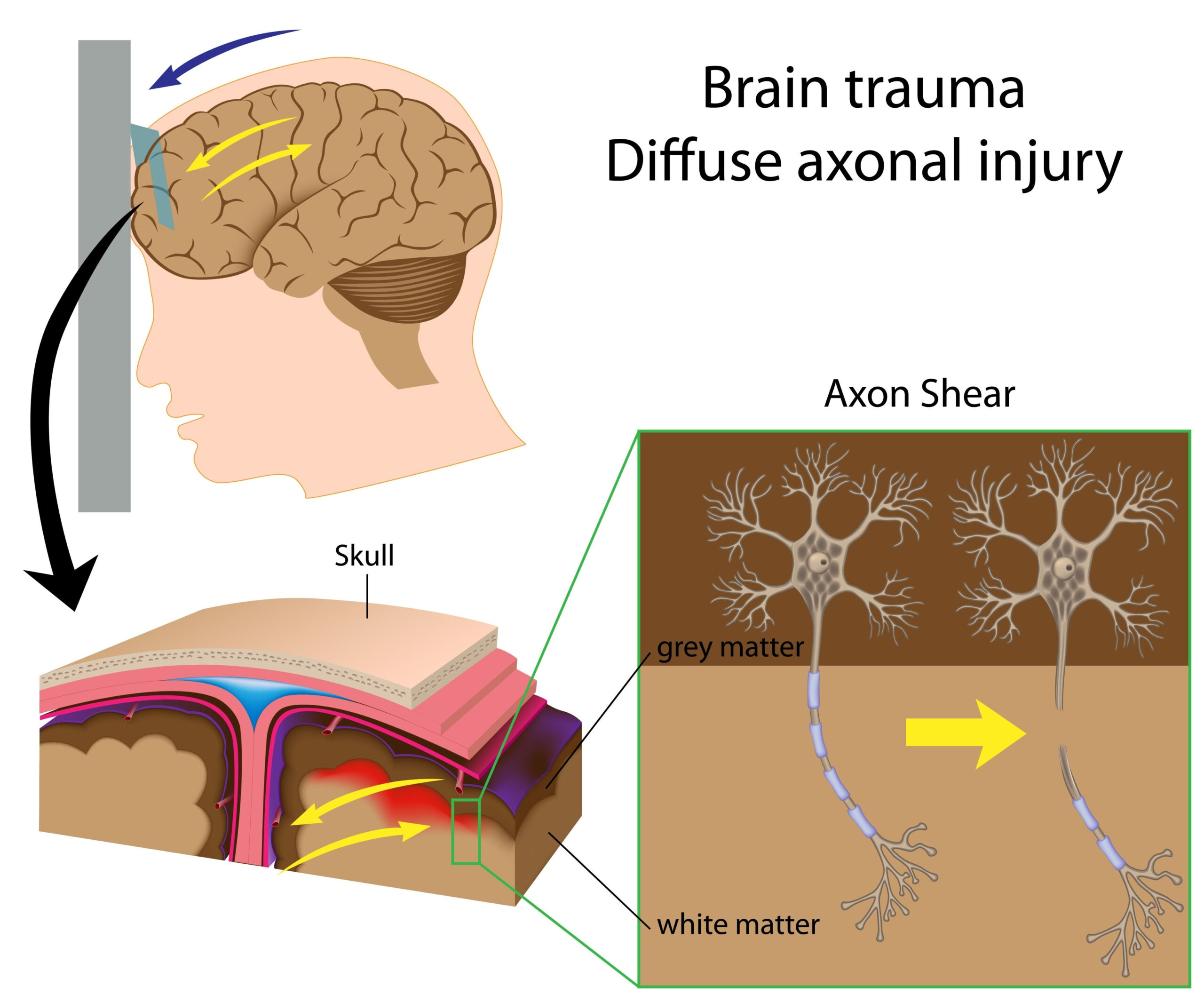
A 52-year-old male patient presented to the emergency department following a mild traumatic brain injury sustained while participating in an outdoor activity. He described the incident as a brief loss of consciousness, lasting approximately 30 seconds, after which he experienced confusion and an inability to recall recent events. Initial neurological examinations indicated that he was alert and oriented, but he struggled to remember personal details, such as his name and recent plans. The family reported that he exhibited significant memory loss concerning the events leading up to the injury.
Upon arrival at the hospital, the patient underwent a thorough medical evaluation. His past medical history was unremarkable, with no prior incidents of neurological disorders or significant head trauma. During the assessment, he displayed a perplexing mix of day-to-day functioning and impaired recall specifically regarding the past few hours. The emergency team performed a cognitive exam, which revealed profound anterograde amnesia—this meant that the patient could not form new memories or retain information in the wake of his injury.
Healthcare providers promptly ordered imaging studies to rule out serious brain injury or structural abnormalities. Despite the alarming symptoms and the mechanism of injury, the patient’s vital signs remained stable, and he did not exhibit any focal neurological deficits. Family members were urged to provide detailed accounts of the patient’s condition prior to the injury, which would assist in understanding the extent and nature of memory loss he was experiencing. His overall presentation was consistent with traits often associated with transient global amnesia (TGA), a clinical syndrome characterized by sudden, short-lived episodes of memory loss without apparent neurological implications.
During the course of his stay in the emergency department, the patient gradually became more alert, yet he continued to express frustration over his inability to remember recent information or significant personal details. Several hours post-injury, he began to regain some of his lost memories, although gaps persisted, raising questions about the potential underlying processes governing his cognitive functions at that time. Further monitoring was required to assess his memory recovery and to plan subsequent interventions or assessments.
Imaging Findings
The patient underwent a series of brain imaging studies, including non-contrast computed tomography (CT) and magnetic resonance imaging (MRI), to evaluate potential structural changes or injuries that could correlate with his symptoms. The initial CT scan was performed immediately upon his arrival at the emergency department to rule out acute hemorrhagic events or skull fractures associated with the mild traumatic brain injury.
The CT results indicated no abnormalities, showing no signs of intracranial hemorrhage, mass effect, or underlying structural damage. However, given the transient nature of the memory loss and the clinical suspicion of TGA, further evaluation with MRI was warranted to investigate any subtle changes in brain structure that might have been missed in the CT scan.
The MRI, conducted later that evening, revealed notable findings within the hippocampal regions, which are critical for memory formation and recall. Specifically, there were signs of hyperintensity localized to the hippocampi on fluid-attenuated inversion recovery (FLAIR) sequences, suggesting edema or a transient alteration in the tissue. These findings were particularly significant as they aligned with the patient’s symptoms of anterograde amnesia. The hippocampus is known to be vulnerable to various types of insult, including stress and hypoperfusion, highlighting its role in memory and cognitive processing.
It is noteworthy that such imaging findings, especially in the context of an episode of TGA, can sometimes be subtle and transient themselves. In this case, the changes observed in the MRI were indicative of acute, albeit reversible, alterations rather than permanent brain damage. This emphasizes the need for careful interpretation and understanding of the neuroimaging results in cases characterized by fleeting memory impairments.
The evaluation did not reveal any other significant lesions or additional pathologies, reinforcing the working diagnosis of TGA and supporting the view that, although the patient experienced distressing cognitive symptoms, the acute anatomical changes were aligned with a transient phenomenon. Follow-up imaging could be valuable in subsequent weeks to confirm the resolution of these observed changes, aligning with the clinical course of recovery expected in such cases.
Discussion of Symptoms
The patient’s experience of memory loss following his mild traumatic brain injury aligns with the classic presentation of transient global amnesia (TGA). This condition is typified by an abrupt onset of amnesia, particularly anterograde amnesia, where individuals struggle to form new memories while often retaining past memories and their ability to engage in conversation. The primary symptom exhibited by the patient was a profound inability to remember events occurring shortly before and after the injury, accompanied by confusion and frustration over this cognitive deficit.
Patients with TGA typically do not exhibit focal neurological signs, which supports the findings in this case where the neurological examination was largely unremarkable apart from memory impairment. The significance of this symptomology lies in its transient nature; episodes of TGA usually last from a few hours to a day, after which memory functions may spontaneously return, as occurred in this patient. Such rapid recovery is a hallmark that differentiates TGA from other causes of acute amnesia, like anoxic brain injury or stroke, which tend to lead to more lasting cognitive deficits.
In addition to the core symptom of anterograde amnesia, many patients experience associated symptoms such as confusion, anxiety, or emotional distress during their episode. In this case, the patient expressed significant frustration over his cognitive limitations, underscoring the emotional burden of memory loss. The psychological impact of TGA can be profound, given the usually intact functioning of other cognitive domains, making it especially disorienting. Family members reported a more significant loss of memory about recent events leading up to the injury, further elucidating the broad strokes of the patient’s amnesic episode and the subjective experience of the condition.
Interestingly, although TGA has no established etiological framework, there are associations with certain precipitating factors such as stress, intense physical activity, or emotional events. This patient’s incident occurring during what is perceived as an exhilarating outdoor activity might suggest a possible trigger, thus making it essential to consider environmental and psychological factors that can influence cognitive health. Stress-induced amnesia, though different in mechanisms, can evoke parallels in symptom presentation, raising questions about the interrelatedness of intruding psychological components and neurobiological responses during such episodes.
The differentiation from other amnesias is crucial for accurate diagnosis and management. For instance, while both TGA and psychogenic amnesia may involve memory loss, psychogenic causes typically include a more complex backdrop of psychological trauma or mental illness. This nuanced approach indicates that careful evaluation and continuous observation of the patient’s recovery trajectory is paramount. Moreover, the role of thorough communication with the patient and their family is vital in clarifying the nature of symptoms and alleviating concerns over possible long-term cognitive deficits.
In this case, the observation of gradual memory recovery over hours indicates a restorative process associated with TGA, where in time, gaps may narrow and functioning can approach baseline levels. By emphasizing the transient and often benign nature of TGA symptoms, healthcare providers can better offer reassurance while also stressing the importance of monitoring for the resolution of symptoms and any potential complications that might arise. Understanding the cognitive dynamics at play in TGA allows for more tailored management strategies in a clinical setting, facilitating improved patient outcomes and educational outreach regarding this intriguing neurological phenomenon.
Treatment and Outcomes
The management of transient global amnesia (TGA) primarily focuses on supportive care, reassurance, and monitoring, as the condition is generally self-limiting. In the case of our patient, the immediate treatment approach involved continuous observation in a controlled hospital environment. As he gradually regained cognitive clarity, healthcare providers worked collaboratively with the patient and his family to reinforce understanding of the condition and alleviate any distress related to his memory deficits.
In this scenario, no specific pharmacological intervention was deemed necessary since TGA does not typically respond to standard treatments aimed at more chronic memory disorders. Given the transient nature of his symptoms—particularly his gradual recovery—healthcare plans emphasized education about the likelihood of recovery and the benign nature of the observed hippocampal changes seen on imaging.
Throughout the monitoring period, which extended over several hours, the patient’s condition remained stable, with improvement noted in his cognitive functions and memory recall. Family members played a crucial role during this time, helping reinforce the patient’s memory by providing context and reminding him of events leading up to the incident. These interactions not only helped repair memory retention but also fostered emotional support, crucial for mitigating any anxiety associated with his condition.
Follow-up imaging, planned for the forthcoming weeks, aimed to ascertain the resolution of the previously noted hippocampal hyperintensities. Clinicians anticipated that these changes would diminish as the patient continued to recover, aligning with the expected neurological recovery trajectory typically seen in TGA. Moreover, this subsequent imaging would play a role in confirming the benign nature of the initial findings and ensuring that no additional complications arose.
Upon discharge, the patient exhibited signs of substantial recovery, with many of his recent memories returning and no ongoing functional impairments. He was advised on the relative infrequency of TGA episodes and the importance of monitoring for any re-emergence of symptoms, though the expectations for recurrence remain low. Education about lifestyle modifications, including stress management techniques and avoiding known triggers of physical strenuous activities, was provided to underpin cognitive health going forward.
The patient’s experience highlights the efficacy of a supportive approach to managing TGA. Encouragement, patient education, and early involvement of family in care were pivotal in fostering a recovery environment that addressed both cognitive and emotional dimensions of the patient’s experience. As the individual re-engaged with daily life post-discharge, the positive outlook on his cognitive health and the reassuring nature of his condition significantly enhanced his overall well-being.