Context of Safeguarding in Combat Sports
Combat sports and martial arts encompass a wide range of disciplines where physical strength, technique, and mental resilience play crucial roles. These activities, while beneficial for physical fitness and personal development, also involve inherent risks and challenges related to participant safety. Safeguarding in this context refers to the measures and practices in place to protect athletes, particularly vulnerable populations such as children and adolescents, from physical, emotional, and social harm during training and competition.
The nature of combat sports means that athletes are frequently exposed to intense physical contact and competitive pressure. This environment raises significant concerns regarding potential injuries, including concussions, fractures, and chronic conditions over time. The dynamic setting of these sports, coupled with the often unregulated nature of many organizations, creates a complex landscape for safeguarding efforts.
In many regions, the governance surrounding combat sports and martial arts is inconsistent and can vary widely between different organizations and jurisdictions. Some governing bodies have established comprehensive guidelines and regulations to promote athlete welfare, while others operate with minimal oversight. This disparity can lead to situations where the safety of participants is compromised, highlighting the need for robust safeguarding frameworks that prioritize athlete protection.
Furthermore, the culture surrounding combat sports may inadvertently contribute to an environment where risky behaviors and attitudes are normalized. The emphasis on toughness and resilience can discourage participants from reporting injuries or seeking help, which can perpetuate cycles of harm. Addressing these cultural issues is essential for fostering a safer sporting environment that genuinely prioritizes the well-being of all participants.
Understanding the diverse contexts in which combat sports operate is imperative for identifying effective practices and policies. The interplay between cultural perceptions, organizational guidelines, and the physical demands of these sports creates a multifaceted backdrop against which safeguarding challenges must be navigated. As such, an informed and proactive approach to safeguarding is necessary to mitigate risks and promote a healthier and more supportive atmosphere for athletes of all ages and experience levels.
Research Approach
The research approach utilized in this scoping review involved a systematic and comprehensive examination of the existing literature on safeguarding challenges within combat sports and martial arts. The objective was to collate and synthesize insights from various sources, including peer-reviewed articles, organizational reports, and policy documents. This methodology offers a broad overview of the landscape within which safeguarding practices operate in these domains.
Initially, a clear framework was established to outline the inclusion and exclusion criteria for literature selection. The focus was on studies that addressed issues of safety, risk management, and the welfare of participants in combat sports. Particular attention was given to sources that highlighted the experiences of athletes, coaches, and governing bodies, ensuring a well-rounded representation of perspectives. The search encompassed multiple databases, ensuring a diverse and extensive repository of information was considered.
During the search process, keyword variations were utilized to capture relevant articles across different contexts and terminologies associated with safeguarding in combat sports. This included terms related to participant protection, injury prevention, coaching ethics, and the mental well-being of athletes. After an initial screening phase, selected articles were thoroughly reviewed and categorized into relevant themes, which facilitated the identification of patterns and gaps in the existing research.
Data extraction involved identifying key findings, methodologies, and recommendations presented in the literature. Researchers focused on how different combat sports organizations addressed safeguarding challenges and the effectiveness of their strategies. By synthesizing this information, the review aimed to present a coherent narrative that reflects the complexities involved in safeguarding practices, drawing attention to areas where further inquiry and action are required.
Moreover, the scoping review employed stakeholder consultations to gain insights from individuals directly involved in combat sports, such as coaches, trainers, and sports administrators. These discussions provided practical insights that complemented the academic literature, ensuring that the review was grounded in real-world scenarios. By incorporating expert opinions, the review aimed to contextualize findings within the lived experiences of those engaged in combat sports.
This research approach highlights the necessity of a multidisciplinary perspective on safeguarding in combat sports. It underscores the importance of integrating knowledge from various fields, including sports science, psychology, and public health, to formulate effective safeguarding practices. Such comprehensive scrutiny is essential for developing frameworks that not only address immediate risks but also foster a culture of safety and respect throughout the sport.
Identified Challenges
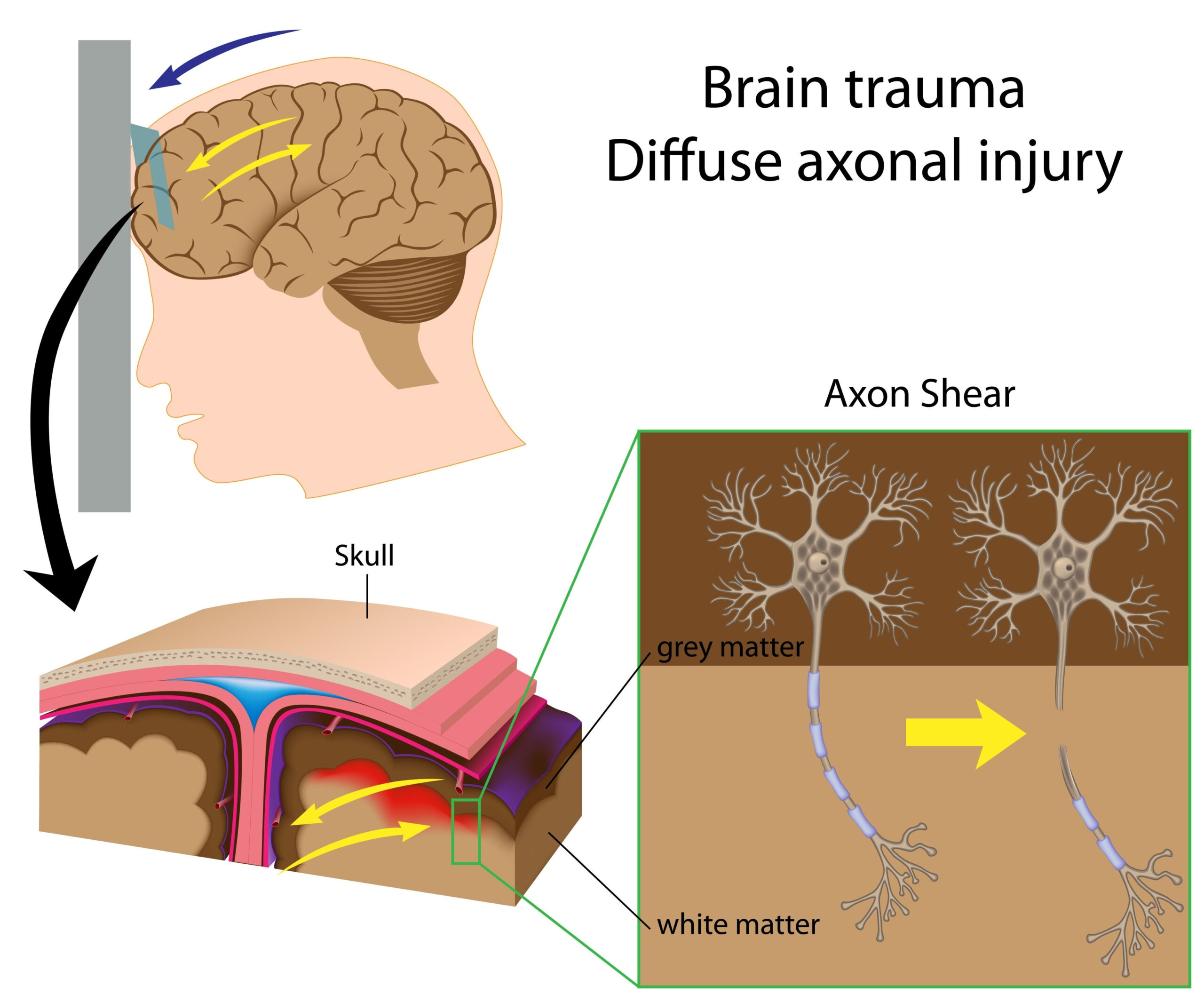
Various challenges emerge in the safeguarding of athletes involved in combat sports and martial arts, each necessitating targeted interventions to promote a safer environment. One of the primary issues is the risk of physical injuries, with athletes being particularly susceptible to concussions and other serious musculoskeletal injuries. Research indicates that these sports carry a higher incidence of head trauma due to their inherent contact nature, necessitating stringent medical protocols for injury assessment and management (McKee et al., 2013). However, the variability in coaching expertise and availability of medical support across different organizations often leads to inconsistent application of safety measures.
Another fundamental challenge stems from the culture embedded within combat sports. The prevailing ethos often valorizes toughness, resilience, and the willingness to endure pain, which can deter athletes from reporting injuries or expressing concerns about their safety (Gentry et al., 2017). This can create a dangerous narrative where athletes may feel pressured to participate despite being unwell or injured, compromising their long-term health and well-being. The stigma surrounding injury reporting must be addressed through educational initiatives that encourage open dialogue about health and safety issues.
In terms of governance, the regulatory landscape governing combat sports is fragmented. Some regions have robust safeguarding policies, while others lack comprehensive laws and regulations. This inconsistency can lead to inadequate oversight and insufficient protections for athletes, particularly at local or grassroots levels where resources may be minimal (Brackenridge, 2001). Combating this disparity requires collaboration among governing bodies to develop harmonized guidelines that establish clear safety protocols and standards across all levels of competition.
Furthermore, the lack of uniform training and certification requirements for coaches can result in varied levels of safeguarding knowledge and practices. Not all practitioners may be adequately equipped to recognize signs of abuse, neglect, or psychological distress among their athletes. Implementing mandatory training and education on safeguarding issues for coaches and officials is essential to create a baseline standard of care and awareness within the sporting community.
Emotional and psychological safety presents another layer of complexity. Athletes in combat sports may be susceptible to bullying or harassment, perpetuated by hierarchical structures within training environments. Research suggests that such toxic dynamics can adversely affect mental health, leading to anxiety and depression among athletes (Kerr et al., 2018). Establishing a culture that prioritizes respect, inclusivity, and open communication can help mitigate these detrimental effects.
Lastly, the challenge of accessibility to appropriate resources for safeguarding cannot be overlooked. Many organizations, particularly those at the community level, may lack the financial means to implement comprehensive safeguarding measures or offer adequate support to athletes. Fundraising and partnerships with health organizations could play a pivotal role in providing the necessary resources to enhance the safety and well-being of participants in combat sports.
Addressing these multifaceted challenges requires a collaborative and informed approach. Engaging stakeholders, including athletes, coaches, medical professionals, and governing bodies, to share knowledge and best practices will be paramount in establishing effective safeguarding frameworks. Continuous research and monitoring of safeguarding practices in combat sports are essential to evolve strategies that can effectively address the unique challenges faced within this domain.
Recommendations for Future Practice
To enhance safeguarding practices in combat sports and martial arts, several evidence-based recommendations can be implemented. Fostering a unified approach across various governing bodies is crucial to ensure that all organizations adhere to standardized safety protocols. Establishing a comprehensive framework that outlines clear guidelines on athlete welfare—covering areas like injury management, reporting procedures for misconduct, and access to mental health resources—will create a more cohesive environment for athletes. Incorporating input from a diverse range of stakeholders, including athletes, coaches, medical professionals, and policymakers, can help ensure that the framework is practical and addresses the specific needs of different disciplines.
Training and certification programs for coaches and instructors should be mandatory and regularly updated. These programs should emphasize not only technical skills but also fundamental knowledge in safeguarding practices, injury recognition, and mental health awareness. Tailoring these programs to include modules that address the psychological and emotional dimensions of athlete care can foster a more supportive atmosphere. In addition, peer mentoring systems can be established, allowing experienced coaches to guide newcomers in implementing best practices for athlete safeguarding.
Promoting a culture that values open communication about safety concerns is essential. Athletes must feel empowered to voice their concerns without fear of retaliation or being perceived as weak. Workshops and educational campaigns can help shift this culture, emphasizing the importance of reporting injuries and unsafe conditions. Integrating athlete feedback mechanisms into organizations’ safeguarding policies—such as regular surveys or suggestion boxes—can provide a platform for athletes to express their views and experiences, further reinforcing the message that their safety is a priority.
On a structural level, increased funding and resources are vital for combat sports organizations to implement effective safeguarding measures. Financial assistance and grants from governmental and non-governmental organizations aimed at grassroots sports can help improve facilities and access to healthcare professionals. These funds can be utilized to facilitate training events, workshops, and the necessary infrastructure required to support athlete wellness initiatives.
The role of technology in promoting safeguarding cannot be underestimated. Online platforms can be developed to provide accessible resources on safety practices, mental health services, and injury prevention. Virtual training modules can also be utilized to reach a broader audience, ensuring that even those in remote areas have access to essential information. Additionally, organizations can leverage data analytics to monitor injury rates, reporting trends, and coach compliance with safeguarding measures, facilitating targeted interventions where needed.
Establishing collaborative partnerships between combat sports organizations and healthcare professionals can bridge the gap between physical and mental health support. Regular health screenings, partnerships with mental health professionals, and available counseling services can provide athletes with comprehensive care. Fostering an ongoing dialogue between these parties is key to understanding the evolving challenges within safeguarding and implementing responsive strategies that protect athletes throughout their careers.