Study Overview
The research focuses on non-invasive imaging techniques specifically tailored for individuals who have experienced mild traumatic brain injury (mTBI). This study aims to evaluate how diffusion tensor imaging with an advanced technique known as artificial intelligence-based local processing system (DTI-ALPS) and the observation of enlarged perivascular spaces (ePVS) can enhance our understanding of the neurological changes that occur post-injury. With mTBI being a prevalent issue in various populations, including athletes and veterans, the necessity for improved diagnostic tools is critical for effective management and recovery.
The scoping review synthesizes available literature regarding the application of these imaging methodologies in the context of mTBI. It delves into the relevance of DTI-ALPS in detecting subtle white matter alterations that conventional MRI may overlook. Additionally, it highlights the significance of ePVS as a potential biomarker for increased intracranial pressure and neurovascular dysfunction, further emphasizing their role in the aftermath of mild brain injuries.
This work not only aggregates existing findings but also identifies gaps within the current research landscape, paving the way for future studies that could advance our understanding and treatment of mTBI. By compiling diverse studies and outcomes, the review aims to present a comprehensive picture of how innovative imaging techniques can shape patient care and inform clinical practices.
Methodology
The review employs a systematic approach to analyze the existing literature concerning the use of diffusion tensor imaging with an artificial intelligence-based local processing system (DTI-ALPS) and the assessment of enlarged perivascular spaces (ePVS) in patients who have suffered mild traumatic brain injury (mTBI). The methodology begins with a comprehensive search of electronic databases, including PubMed, Scopus, and Web of Science, using specific keywords related to mTBI, DTI, ALPS, and ePVS.
Inclusion criteria for the studies were established to ensure relevance and quality. Only peer-reviewed articles published within the last two decades were included, focusing specifically on human studies that evaluate the effectiveness of DTI-ALPS and ePVS in the context of mTBI. Studies that were purely theoretical or did not provide empirical data regarding these imaging techniques were excluded from the analysis. Additionally, articles that did not report on outcomes related to the objectives of the review were also omitted.
The selected studies were then analyzed to extract pertinent data, including demographic characteristics of study populations, imaging methodologies employed, and key findings. Emphasis was placed on understanding how DTI-ALPS enhances detection of white matter abnormalities, as well as the implications of ePVS as an indicator of potential neurovascular changes following an mTBI. Data synthesis involved both qualitative and quantitative assessments, providing a well-rounded evaluation of the current state of research.
Challenges encountered during the review process included potential variability in imaging protocols and diagnostic criteria across studies. The review took these factors into account by conducting subgroup analyses where appropriate and discussing the implications of such variability on the generalizability of findings. Moreover, gaps in the existing literature, particularly regarding longitudinal studies and diverse demographic representation, were identified, highlighting areas for future investigation.
This methodological framework not only ensures that the review is thorough and comprehensive but also positions it as a valuable resource for clinicians and researchers seeking to leverage advanced imaging techniques in the assessment and management of mTBI. By meticulously categorizing and synthesizing contemporary research, this work aims to contribute significantly to the evolving landscape of traumatic brain injury diagnostics.
Key Findings
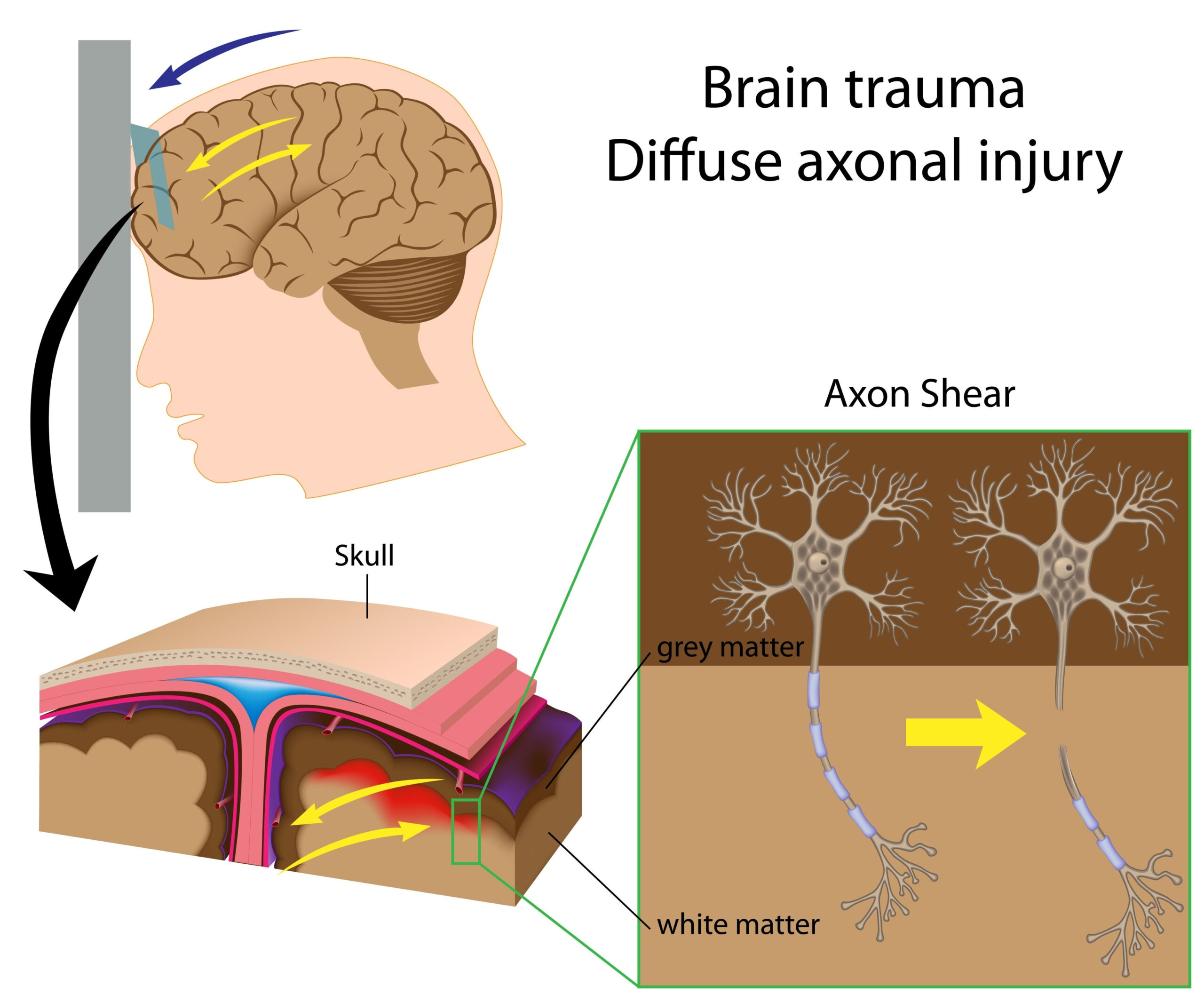
The findings of this scoping review highlight several critical insights regarding the application of diffusion tensor imaging with artificial intelligence-based local processing system (DTI-ALPS) and the examination of enlarged perivascular spaces (ePVS) in patients who have suffered mild traumatic brain injury (mTBI). A significant number of studies included in the review consistently demonstrate that DTI-ALPS significantly enhances the detection of microstructural changes in white matter, which are often not visible using standard MRI techniques. This advancement is crucial since subtle brain injuries can lead to long-term cognitive and emotional disturbances that may go unrecognized without sensitive imaging modalities.
Particularly, the review indicates that DTI-ALPS can uncover alterations in fractional anisotropy (FA) and mean diffusivity (MD) metrics. These parameters are essential as they provide insights into the integrity of white matter tracts. For instance, several studies noted that patients with mTBI showed reduced FA and elevated MD values, indicating disruptions in neuronal pathways and potential secondary injury processes. These findings point to the promise of DTI-ALPS as a non-invasive method to monitor recovery and potentially guide rehabilitation strategies.
Furthermore, the assessment of ePVS emerges as a pivotal finding in the context of mTBI. Enlarged perivascular spaces were found to correlate with various clinical outcomes, including neurocognitive function and emotional well-being. Studies suggest that an increased prevalence of ePVS might indicate compromised cerebrospinal fluid (CSF) drainage and a potential marker of neurovascular dysfunction, which can exacerbate neurological deficits following an mTBI. The review underscores the importance of ePVS as a potential biomarker for assessing intracranial pressure and predicting long-term outcomes in mTBI patients.
Collectively, the integration of DTI-ALPS and ePVS evaluation provides a more nuanced understanding of the complexities associated with mild traumatic brain injuries. The review highlights that these imaging techniques not only advance diagnostic capabilities but also facilitate more individualized treatment approaches. Acknowledging the nuances of neuroimaging and neurobiological mechanisms involved expands the potential for enhancing patient care in clinical settings.
Moreover, this exploration points to notable gaps in the literature, particularly regarding the need for more longitudinal studies that track changes over time. A consistent theme identified across studies is the lack of diversity in demographic representation, which raises questions about the generalizability of findings to broader populations. Addressing these gaps will be crucial in refining the clinical utility of DTI-ALPS and ePVS assessment in the mTBI patient population.
Clinical Implications
The implications of the findings regarding diffusion tensor imaging with artificial intelligence-based local processing system (DTI-ALPS) and enlarged perivascular spaces (ePVS) are extensive, influencing both clinical practice and future research directions. The enhanced capability of DTI-ALPS to detect microstructural white matter changes presents new opportunities for clinicians to diagnose mild traumatic brain injury (mTBI) more accurately. As conventional MRI may fail to reveal subtle abnormalities post-injury, the adoption of DTI-ALPS could significantly improve the identification and understanding of the injury’s effects, leading to more tailored treatment options for patients.
With the potential to observe specific alterations in fractional anisotropy and mean diffusivity, healthcare professionals could utilize these metrics as reliable indicators of injury severity and recovery progression. For instance, recognizing an increase in mean diffusivity can alert clinicians to ongoing pathological processes that may require intervention. Such insights could guide therapeutic decisions, allowing for more personalized rehabilitation strategies aimed at optimizing recovery.
Moreover, the relationship between ePVS and clinical outcomes, such as neurocognitive function, underscores the significance of these spaces as potential biomarkers. The presence of enlarged perivascular spaces could serve as a non-invasive indicator of neurovascular status, prompting further evaluation of cerebrospinal fluid dynamics and intracranial pressure in mTBI patients. Understanding how ePVS correlates with recovery trajectories can enhance clinicians’ ability to predict long-term outcomes and tailor follow-up care accordingly.
The findings also illuminate critical gaps in current research, highlighting the importance of longitudinal studies that could elucidate the temporal dynamics of neuroimaging findings in mTBI. Such research would be vital for establishing the causal relationships between observed imaging changes and clinical manifestations over time. Furthermore, addressing the lack of diverse demographic representation in studies could enhance the applicability of research findings to a wider patient population, ensuring that advancements benefit all individuals affected by mTBI.
Incorporating these imaging techniques into standard clinical protocols could also promote greater interdisciplinary collaboration among neurologists, radiologists, and rehabilitation specialists. By fostering a more comprehensive understanding of the neurobiological underpinnings of mTBI through advanced imaging, the healthcare community can work towards more effective interventions and monitoring strategies. Overall, the implications of DTI-ALPS and ePVS findings herald a new era in the management of mild traumatic brain injuries, emphasizing the need for innovation in both diagnostic processes and personalized patient care.