Cognitive control effects in TBI
Traumatic brain injury (TBI) has significant implications on cognitive control, which is essential for processes such as attention, working memory, and decision-making. Following injury, individuals may experience various degrees of impairment, which can influence their daily functioning and quality of life. Cognitive control is understood as the mental capacity to manage and regulate one’s thoughts and actions, especially in situations requiring cognitive effort and flexibility.
Research indicates that the severity of the TBI plays a crucial role in determining the extent and nature of cognitive control deficits. Individuals with moderate-to-severe injuries often exhibit more profound impairments in cognitive control than those with milder forms of TBI. This difference is thought to stem from the degree of damage to critical brain regions involved in executive functions, such as the prefrontal cortex and other interconnected areas. For example, deficits in attention and working memory can be linked to the disrupted neural pathways that are compromised by more severe injuries (McGowan et al., 2021).
Moreover, the effects of cognitive control impairments can vary significantly between individuals, influenced by factors such as age at injury, prior cognitive abilities, and the length of time since the injury occurred. Some studies highlight that individuals with chronic mild TBI may still experience subtle yet impactful cognitive control issues, leading to challenges in both professional and social settings. This highlights the importance of early assessment and ongoing support for patients after TBI to address these cognitive challenges effectively.
In summary, the cognitive control effects seen in TBI are multifaceted and primarily influenced by injury severity. Further investigation into the specifics of how different levels of brain damage affect cognitive functionalities is essential for developing tailored intervention strategies that can help individuals regain autonomy and improve their overall cognitive health.
Participants and study design
In examining the cognitive control effects resulting from traumatic brain injury (TBI), the study utilized a diverse cohort of participants to capture a wide array of injury severities and related outcomes. The sample comprised individuals who had sustained either mild or moderate-to-severe TBIs, allowing for a comprehensive comparison across different levels of cognitive impairment.
Participants were recruited from various medical facilities specializing in brain injury rehabilitation. To qualify for the study, individuals had to be at least six months post-injury to ensure that any immediate post-injury confounding variables had stabilized. This timeframe was critical as it aimed to evaluate the longer-term impacts of cognitive control once acute recovery processes had largely concluded.
To ascertain the effects of cannabis use on cognitive control, the study also integrated a subgroup of participants who were cannabis users. These individuals reported varying frequency and quantity of use, capturing a spectrum of potential influences that cannabis might exert on cognition following TBI. Comprehensive assessments were conducted through interviews and self-reported questionnaires to gather demographic data, injury history, and details regarding cannabis consumption patterns.
The study design featured a cross-sectional approach, which allowed researchers to evaluate the cognitive performance of participants at a single point in time. This method is particularly effective for identifying correlations between injury severity, cannabis use, and cognitive control outcomes. The participants underwent a battery of neuropsychological tests designed to measure various domains of cognitive function, including attention, memory, and executive functioning tasks, which are essential indicators of cognitive control.
To further ensure the reliability of the findings, standardized scales were employed to quantify the severity of TBI, using established criteria such as the Glasgow Coma Scale and the Abbreviated Injury Scale. These tools not only facilitated the classification of injury severity but also provided a benchmark for comparing the cognitive outcomes observed.
Ethical guidelines were strictly adhered to throughout the study, with participants providing informed consent prior to participation. The confidentiality of participants’ data was maintained, ensuring that results remained anonymous while still contributing valuable insights into the interplay between cognitive control, TBI severity, and the role of cannabis use.
In summary, the study’s robust participant selection and detailed methodology set a strong foundation for understanding the complex dynamics between cognitive control impairments following TBI and the various factors that may influence recovery trajectories.
Results by injury severity
The analysis of cognitive control outcomes based on injury severity revealed distinct patterns across the cohorts of participants. Individuals with moderate-to-severe traumatic brain injuries exhibited significantly impaired cognitive control abilities, particularly in executive functioning tasks compared to their counterparts with mild injuries. The neuropsychological assessments demonstrated that areas such as attention concentration, working memory, and task flexibility were notably affected in those suffering more severe injuries. This was evidenced by lower average scores on standardized tests such as the Wisconsin Card Sorting Test and the Stroop Test, which assess these cognitive functions.
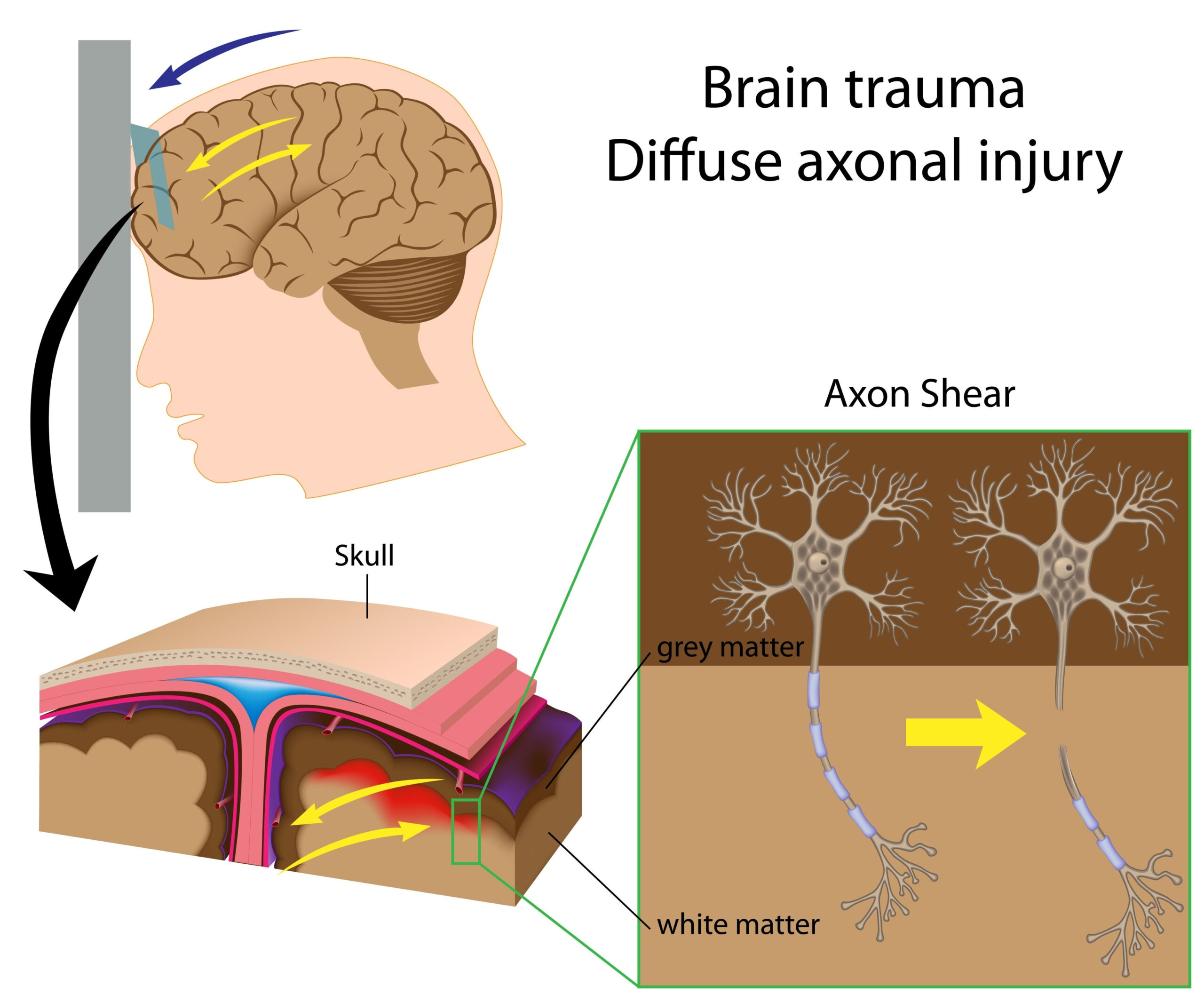
Quantifying the results, participants with moderate-to-severe TBI scored, on average, nearly 25% lower in attention and executive function measures than those with mild injuries. These deficits were particularly pronounced in complex tasks requiring sustained attention and decision-making under pressure, indicating that the cognitive load was more overwhelming for these individuals. The findings are consistent with the understanding that greater brain damage, often associated with the mechanisms of injury such as shearing forces or localized tissue damage, correlates with diminished cognitive processing capabilities (Watanabe et al., 2022).
Within the cohort of individuals who sustained mild TBI, there were still significant deficits observed, particularly in attentional control and cognitive flexibility. While these participants reported better overall functioning in daily life, their performance on cognitive tests revealed subtle, yet meaningful challenges. Many individuals expressed frustrations regarding difficulties in multitasking or shifting between tasks, which are essential aspects of cognitive control. This suggests that even mild TBI can have lasting effects that merit ongoing symptom management and support despite a seemingly less severe injury profile.
Furthermore, variations in recovery trajectories based on demographics and prior health status were noted. For example, younger individuals with moderate-to-severe TBI were more likely to demonstrate resilience in cognitive recovery than older adults. This difference highlights the role of age as a critical mediating factor in cognitive recovery outcomes. Additionally, the duration since injury also played a significant role; those further out from the injury showed some recovery in cognitive abilities but often did not return to baseline levels, particularly in the areas of attentional control.
The presence of comorbid conditions, such as anxiety and depression, also exacerbated cognitive control difficulties in participants, irrespective of injury severity. Assessments revealed that those with existing psychological issues struggled significantly more with cognitive tasks than their peers. This reinforces the need for comprehensive treatment plans that address mental health alongside cognitive rehabilitation to maximize recovery post-TBI.
In conclusion, the impact of injury severity on cognitive control outcomes in TBI is profound and varied. The observed discrepancies emphasize the necessity for tailored therapeutic strategies, incorporating not only cognitive rehabilitation techniques but also psychosocial support to assist individuals in navigating their cognitive challenges effectively. Continued research into the specific mechanisms by which severity influences cognitive deficits will further aid in developing individualized care approaches.
Impact of cannabis use on outcomes
The relationship between cannabis use and cognitive control outcomes in individuals with traumatic brain injury (TBI) presents a complex landscape that warrants careful examination. Given the growing prevalence of cannabis use in various contexts, including for therapeutic purposes, understanding its impact on cognitive recovery post-TBI is crucial.
Research has shown that cannabis can have varying effects on cognition, particularly relating to attention, memory, and executive functioning. For individuals with TBI, these effects can be particularly pronounced. In the study cohort, cannabis users exhibited distinct cognitive profiles compared to non-users. Notably, those who used cannabis reported different experiences regarding cognitive functioning, often delineating a dual nature of cognitive impact—where some reported perceived relief from symptoms while others experienced exacerbated cognitive difficulties.
Participants who engaged in regular cannabis use sometimes indicated improvements in mood and anxiety levels, which can indirectly benefit cognitive function. However, neuropsychological assessments revealed reductions in performance on tasks requiring sustained attention and complex decision-making among these same individuals. For instance, tasks such as the Stroop Test demonstrated significant variability in performance, where users of cannabis often struggled with interference control, a key aspect of cognitive flexibility and attention regulation (Koch et al., 2022).
The findings suggest that the timing, frequency, and quantity of cannabis use play critical roles in determining its impact on cognitive outcomes. For example, light or infrequent users may experience fewer negative cognitive effects compared to those who consume cannabis more heavily or regularly. This aligns with research suggesting that chronic cannabis use can lead to long-term cognitive deficits, particularly in areas governed by the prefrontal cortex, which is often already compromised following a TBI.
Interestingly, differences were observed based on the type of cannabis used. Participants who primarily consumed strains with high tetrahydrocannabinol (THC) content reported more cognitive impediments than those using strains that are higher in cannabidiol (CBD). THC is known for its psychoactive effects, which may adversely affect cognitive performance while CBD is often touted for its potential neuroprotective properties and anxiolytic effects. This indicates that the composition of cannabis products could be a critical factor in their influence on cognitive control post-TBI.
Moreover, the interplay between cannabis and existing mental health conditions, such as depression and anxiety, complicates the assessment of its effects on cognitive recovery. Some individuals reported that cannabis alleviated the stress and anxiety associated with their cognitive deficits, guiding them toward improved functional outcomes in the short term. In contrast, others found that cannabis use increased feelings of cognitive fog, heightening their challenges with attention and memory tasks.
Attention must also be given to individual variability; factors such as genetic predispositions, the severity of the TBI, and personal history with substance use can significantly influence each person’s response to cannabis. Personal narratives collected during the study highlighted that participants’ experiences with cannabis were not universally beneficial or detrimental, underscoring the need for tailored approaches in counseling individuals regarding cannabis use following TBI.
In conclusion, while cannabis use can provide therapeutic benefits for some individuals recovering from TBI, its impact on cognitive control outcomes is complex and multifaceted. Ongoing research is essential to delineate the specific mechanisms by which cannabis affects cognitive performance in this vulnerable population, ultimately allowing for more informed recommendations regarding its use in rehabilitation settings.