Current Understanding of Pediatric Concussion
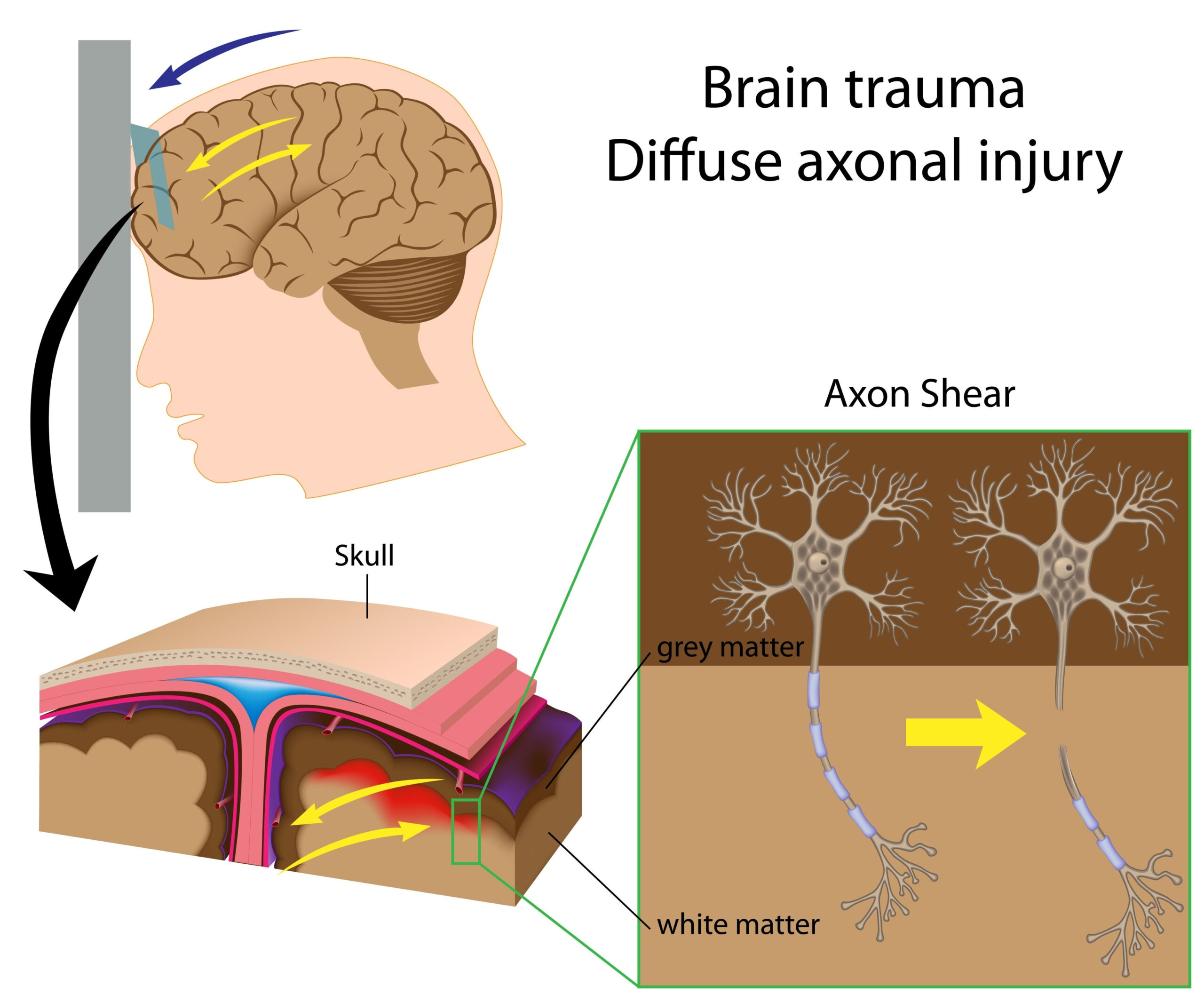
Pediatric concussion has gained significant attention in recent years due to increased awareness of its prevalence and implications for young individuals. This mild traumatic brain injury occurs when a child experiences a blow or jolt to the head, leading to functional disturbances in brain activity rather than affecting its structural integrity. Symptoms can vary widely and may include headache, dizziness, confusion, irritability, and difficulties in concentration, which can be challenging to recognize and diagnose, especially in children who may have difficulty articulating their experiences.
Recent research indicates that children may experience prolonged recovery times compared to adults, which emphasizes the necessity for tailored management strategies. This is primarily because their developing brains are more susceptible to the effects of concussions, and their symptoms can persist longer than those seen in older populations. The risk of cumulative impacts from repeated concussions underscores the importance of adopting a cautious approach to return-to-play and return-to-learn protocols.
Moreover, current guidelines highlight the value of a multi-disciplinary approach to managing pediatric concussions. Health professionals, including pediatricians, neurologists, and rehabilitation specialists, play vital roles in diagnosing and treating these injuries effectively. Among these professionals, speech-language pathologists (SLPs) are becoming increasingly integral in the management due to their expertise in addressing cognitive and communicative symptoms often associated with concussions.
SLPs focus on deficits in cognitive-communication skills, which can significantly impede a child’s academic performance and social interactions. They assess areas such as attention, memory, and executive function, which can be disrupted by brain injuries. Intervention strategies may include targeted exercises aimed at improving cognitive processing, memory recall, and effective communication skills. Therefore, the role of SLPs is essential in the comprehensive rehabilitation of concussed pediatric patients, as they support not only recovery but also reintegrate children into their educational environments.
Understanding the nuances of pediatric concussion is critical for developing effective management protocols and ensuring that children receive the appropriate care as they recover from these injuries. The growing body of evidence continues to inform guidelines and practices within this field, indicating a shift towards proactive and informed approaches in addressing the challenges posed by concussions in children.
Survey of Speech-Language Pathologists
A survey conducted among speech-language pathologists (SLPs) reveals insightful information about their experiences and perceptions related to pediatric concussion management. This survey aimed to collect data on their knowledge, practices, and the challenges they face in this evolving field. SLPs, often on the front lines of rehabilitation for children suffering from concussions, play a critical role in addressing the cognitive-communication deficits that frequently accompany these injuries.
The results indicate that the majority of respondents acknowledge the increasing prevalence of concussions in pediatric populations and recognize the importance of their role in concussion management. Many SLPs report a growing demand for services dedicated to this population, reflecting heightened awareness among parents and educators about the potential long-term effects of concussion on children’s cognitive development and academic performance. The survey highlights that the awareness of concussion symptoms, particularly those related to communication and cognitive abilities, has markedly increased among SLPs, making them more vigilant in assessing children who may have suffered from such injuries.
Furthermore, while many SLPs indicate feeling confident in their ability to assess and address communication issues arising from concussions, there remains a noticeable gap in their overall understanding of concussion protocols and best practices. Some participants expressed a need for additional training and resources to enhance their capabilities in managing these cases effectively. This gap underscores the necessity for continued professional development opportunities focusing on the latest research and guidelines concerning pediatric concussion management. The findings reveal that although many SLPs have integrated concussion management strategies into their practices, they still seek enhanced educational resources to further understand neurocognitive impacts and rehabilitation techniques.
Barriers identified in the survey include limited access to continuing education opportunities and a lack of interdisciplinary collaboration with other healthcare professionals involved in concussion management. Strengthening partnerships with physicians, physical therapists, and neuropsychologists can not only improve patient outcomes but also enhance SLPs’ understanding of the multifaceted approach required in concussion management.
The survey also uncovered challenges related to communication with parents and teachers regarding the cognitive and social impacts of concussion. Many SLPs noted the importance of providing clear information about the recovery process and the need for tailored educational accommodations to support a child’s reintegration into both academic and social settings. This predicament illustrates a critical area where SLPs can advocate for children and educate caregivers on appropriate supports during the recovery phases.
Overall, the survey results underscore the evolving landscape of pediatric concussion management, where SLPs are increasingly recognized as pivotal contributors to the healthcare team. Their unique skills in addressing cognitive-communication deficits are invaluable in facilitating recovery and ensuring a supportive environment for children as they navigate the challenges associated with concussions. As the understanding of pediatric concussions continues to expand, so too must the role of SLPs through enhanced education, collaboration, and advocacy within this essential area of pediatric health.
Changes in Knowledge and Practice
Over recent years, there has been a noticeable shift in the practices and knowledge base of speech-language pathologists (SLPs) regarding pediatric concussion management. This evolution can be attributed to heightened awareness generated by research findings, increased media attention on the impacts of concussions, and ongoing professional development opportunities. SLPs are now more equipped than ever to identify and treat the cognitive-communication deficits that often accompany these injuries, providing a much-needed support system for affected children and their families.
One significant change is the reassessment of concussion assessments and intervention practices among SLPs. With an enhanced understanding of the neurocognitive outcomes of concussions, SLPs are employing more comprehensive evaluation methods. These evaluations now often include standardized cognitive assessments alongside informal measures, allowing for a more nuanced understanding of a child’s difficulties. Furthermore, the incorporation of ecological assessments that consider a child’s performance in natural settings—such as the classroom—has become more prominent, enabling SLPs to tailor interventions that directly address the contexts where challenges arise.
Intervention strategies have also evolved, emphasizing the importance of individualized support plans that address both cognitive and communicative challenges. Recent approaches lean towards integrating cognitive rehabilitation techniques with communication interventions, facilitating a more holistic recovery process. For instance, programs designed to improve memory, organization, and problem-solving skills are being paired with explicit training in social communication, recognizing that these areas are interconnected. SLPs are developing activities that not only target language use but also engage cognitive skills needed for academic achievement and social interactions, reflecting an understanding of how concussions can impair multiple domains of functioning.
In addition to changes in clinical practice, SLPs are increasingly engaging in multidisciplinary teamwork. Collaboration with other healthcare professionals, such as neuropsychologists, occupational therapists, and sports medicine specialists, is critical for delivering comprehensive care. These partnerships enhance communication streams, allowing SLPs to share insights and strategies that empower children on multiple support fronts. Workshops and interdisciplinary training sessions have become common, fostering a collective approach that ensures consistent messaging around concussion management.
Furthermore, the implementation of educational initiatives stands out as a pivotal change in practice. SLPs are increasingly taking proactive roles in educating not only their patients but also the educators and families involved in a child’s recovery. By providing parents and teachers with clear, actionable information on the signs of concussion, recovery timelines, and necessary accommodations, SLPs are facilitating stronger support networks for affected children. This shift towards advocacy and education underscores a commitment to not only address immediate communication needs but also to foster a comprehensive understanding of the child’s experience within their environments.
Despite these advancements, challenges remain, and SLPs continue to identify areas for further growth. There is an ongoing need for continued professional education that keeps pace with emerging research, particularly regarding neurodevelopmental principles and their implications on concussion treatment. Additionally, a push towards improved resources that can bridge gaps in knowledge about common co-morbid conditions, such as anxiety and depression that may accompany a concussion, is crucial in refining intervention practices further.
Ultimately, the changes in knowledge and practice among SLPs regarding pediatric concussion reflect a dynamic response to an evolving understanding of brain injuries in children. As the dialogue surrounding concussions becomes more informed and nuanced, SLPs are positioned at the forefront of addressing the complexities of recovery, advocating for children’s needs and rights within educational and social contexts, and ultimately making a significant impact on the long-term outcomes for young individuals navigating the challenges associated with concussions.
Future Directions and Recommendations
The ongoing evolution in the management of pediatric concussions presents both opportunities and challenges within the field of speech-language pathology (SLP). As the integration of comprehensive concussion protocols becomes increasingly essential, several future directions and recommendations have emerged aimed at enhancing the care provided by SLPs and the overall management of pediatric concussion.
To begin with, strengthening educational initiatives for SLPs is crucial. Continuous professional development through workshops, online courses, and interdisciplinary training can ensure that SLPs remain current with the latest research and findings concerning concussion management. This knowledge update is vital for integrating best practices into clinical settings. Emphasis on evidence-based practices can increase SLPs’ confidence in delivering interventions and can promote consistency across various treatment settings.
Moreover, a more standardized approach to assessment and intervention is required. Developing uniform guidelines that outline best assessment practices, intervention strategies, and outcome measures for pediatric concussion can help ensure that children receive equitable care across different regions and clinical environments. Such standards would enable SLPs to collaborate more effectively with other healthcare professionals, fostering a unified approach to treatment.
Incorporating technology into assessments and interventions is another promising direction. Tools that leverage teletherapy and digital assessment platforms can expand access to services, especially for children in rural or underserved areas who may lack access to specialized care. Moreover, technology can facilitate the development of interactive cognitive-communication tasks, providing engaging ways to promote recovery in a supportive and enjoyable manner.
Collaboration among healthcare professionals should be further enhanced, creating multidisciplinary teams focused on pediatric concussion. By engaging pediatricians, neurologists, psychologists, and educators, SLPs can tailor interventions that address the multifaceted nature of concussions. Facilitating regular case conferences or training sessions can enhance communication, ensuring that all team members are aware of the latest protocols and can contribute their expertise effectively.
Advocacy for policy changes surrounding concussion management in schools is also essential. SLPs should actively engage with educational administrators to develop protocols that support children returning to academic settings following a concussion. Implementing clear guidelines on accommodations and support for affected students can aid in their reintegration into school environments, thereby mitigating academic setbacks and promoting overall recovery.
Additionally, incorporating feedback mechanisms into practice is recommended. Regularly seeking input from parents, teachers, and the children themselves can provide invaluable insights into the effectiveness of interventions. Understanding a child’s experience and their perception of the recovery process can lead to more tailored and responsive treatment plans.
Finally, more research is needed to investigate the long-term outcomes of pediatric concussion management, particularly focusing on cognitive-communication skills. Longitudinal studies that track recovery trajectories and the effectiveness of various interventions will provide critical data to inform future practices.
The field of pediatric concussion management is rapidly advancing, and SLPs have a unique opportunity to carve out a significant role in this domain. By investing in education, standardizing practices, leveraging technology, fostering collaboration, advocating for policy changes, and engaging in ongoing research, SLPs can enhance the quality of care they provide, effectively supporting children as they navigate the challenges associated with concussions in their everyday lives.