Study Overview
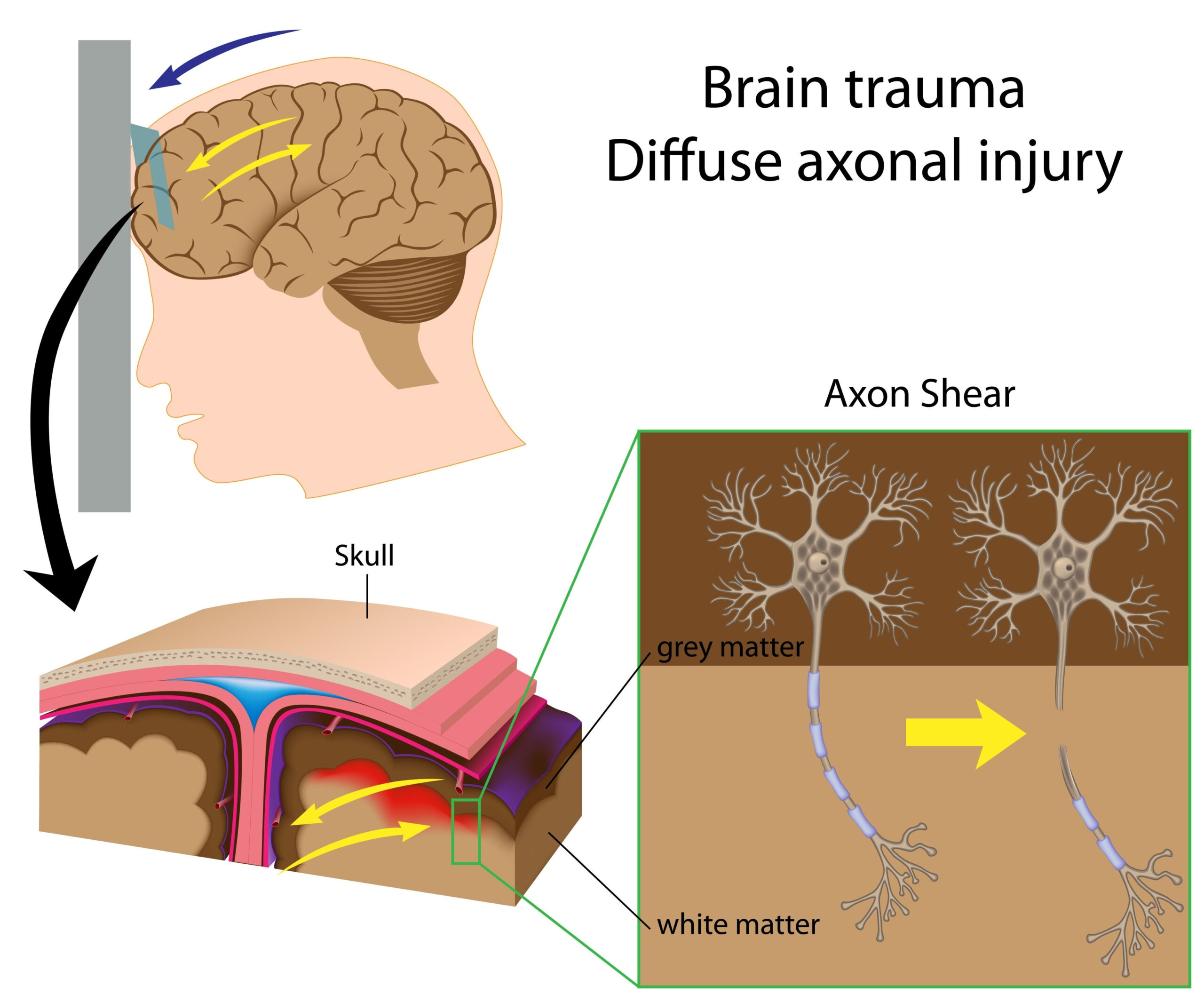
The research aimed to enhance the understanding of sport-related concussions, specifically focusing on predicting the severity of symptoms over a one-week period following such injuries. Utilizing widely recognized assessment tools, such as the Sport Concussion Assessment Tool (SCAT) and the CogState Brief Battery, the study sought to identify correlations between initial injury evaluations and subsequent symptom severity. This is important, as timely and accurate predictions can guide treatment plans and recovery strategies for athletes. By investigating a diverse cohort of participants, the study embraced various sports and demographic variables, underscoring its relevance across different athletic contexts. These elements together contribute to a better framework for recognizing and managing concussion symptoms, ultimately aiming to safeguard the health and performance of athletes.
Methodology
The study employed a mixed-methods approach, integrating both quantitative and qualitative data to provide a comprehensive understanding of concussion symptom severity. Participants, consisting of athletes from various sports, were recruited from multiple sports organizations and schools, ensuring a diverse pool that reflected different demographics and skill levels. Prior to participation, athletes provided informed consent, and ethical approval was granted by the relevant institutional review board.
A core component of the methodology involved the utilization of the Sport Concussion Assessment Tool (SCAT), a standardized evaluation that measures various cognitive and physical aspects immediately following a suspected concussion. The SCAT includes assessments of symptoms, cognitive function, balance, and coordination, allowing for a holistic view of the athlete’s condition at the time of injury. This initial assessment was crucial in establishing baseline data, which would serve as a reference point for future evaluations of symptom severity.
In addition to the SCAT, the study incorporated the CogState Brief Battery, a cognitive assessment tool that evaluates attention, memory, and reaction time. This battery was administered alongside the SCAT, enabling researchers to gauge the interplay between cognitive performance and concussion severity. Both assessment tools were administered at baseline, immediately post-injury, and then again at subsequent time points over the following week.
The data collection process was structured to capture both the immediate and longer-term impacts of concussions. Participants were followed up daily for seven days post-injury using a standardized symptom checklist to monitor changes in symptom severity. This checklist included common concussion-related symptoms such as headaches, dizziness, and difficulty concentrating, and allowed researchers to create a detailed profile of each athlete’s recovery trajectory.
Statistical analysis was conducted using multivariate regression models to identify predictors of symptom severity over the one-week period. Variables considered included initial symptom intensity, cognitive performance scores from the CogState Battery, type of sport, and demographic factors such as age and gender. This analytical approach enabled the identification of significant relationships and potential risk factors that could influence recovery outcomes.
Additionally, qualitative interviews were conducted with a subset of participants to enrich the quantitative findings. These interviews provided insight into the athletes’ personal experiences of concussion, their perceptions of symptom progression, and the impact of injuries on their daily lives and athletic performance. The combination of qualitative and quantitative data strengthened the study’s findings, offering a more nuanced perspective on the complexities surrounding sport-related concussions.
By meticulously gathering and analyzing this data, the study aimed to establish a robust framework for understanding symptom severity prediction, ultimately enhancing clinical practice and athlete management.
Key Findings
The analysis revealed several important relationships between initial assessments and the severity of symptoms experienced by athletes following a sport-related concussion. One of the primary findings was that higher initial symptom intensity, as measured by the SCAT, was significantly associated with increased symptom severity over the subsequent week. Athletes who reported severe symptoms right after their injury were more likely to experience persistent and exacerbate symptoms, highlighting the importance of immediate post-injury evaluations in anticipating recovery trajectories.
Furthermore, cognitive performance, as assessed by the CogState Brief Battery, played a critical role in predicting symptom severity. Athletes exhibiting lower cognitive function scores at the time of injury tended to report higher symptom severity and a longer recovery period. This suggests that cognitive impairment may not only accompany concussions but also serve as an indicator of the seriousness of the injury. Consequently, cognitive assessments should be prioritized in the immediate management of concussion cases to tailor recovery strategies effectively.
Demographic factors, such as age and gender, also emerged as influential in the trajectory of recovery. Younger athletes demonstrated a different symptom profile compared to older participants, often reporting a more significant range of symptoms following a concussion. Notably, females reported higher symptom severity compared to males in similar injury circumstances, echoing previous literature that highlights gender differences in concussion impact. These findings underscore the necessity for clinicians to consider both age and gender when managing athletes post-concussion.
Statistical models illustrated that the combination of initial symptom ratings and cognitive performance could predict up to 70% of the variance in symptom severity at one week post-injury. This predictive capability can be tremendously beneficial for clinicians, allowing for proactive adjustments in treatment plans based on the athlete’s predicted recovery pathway. Furthermore, the daily symptom checklist findings indicated that symptom severity can fluctuate significantly during the recovery period, emphasizing the importance of regular monitoring to capture these dynamics accurately.
Qualitative data from participant interviews provided additional context to these findings. Athletes described varying experiences with their symptoms, often tied to their expectations of recovery and perceived stigma surrounding concussion injuries in sports. Many indicated feeling pressure to return to play quickly, which sometimes compounded their symptoms and impacted their overall well-being. This insight highlights a critical area for intervention: educating athletes, coaches, and families about the importance of gradual recovery processes post-concussion.
In summary, the study’s findings underscore the integrated nature of physical, cognitive, and demographic factors in understanding concussion symptom severity. By leveraging these insights, sports organizations and healthcare providers can enhance their strategies for monitoring, treating, and educating athletes about the risks associated with concussions, ultimately fostering safer sporting environments.
Clinical Implications
The insights gleaned from the study have substantial implications for clinical practice concerning sport-related concussions. First and foremost, the established correlation between initial symptom intensity and subsequent severity underscores the necessity for thorough and immediate evaluations following a concussion. Clinicians should prioritize the use of standardized tools, such as the SCAT and CogState Brief Battery, to obtain an accurate representation of an athlete’s condition right after an injury. Such assessments not only inform the clinician about the immediate risks but also help in formulating a tailored management plan that addresses the specific needs of the athlete.
Given that higher initial symptom intensity often forecasts a exacerbated symptom trajectory, practitioners must develop rigorous protocols for monitoring symptom evolution during the critical week post-injury. Regular follow-ups are essential to capture fluctuations in symptom severity, as daily assessments can provide vital information on the athlete’s recovery process. These practices will not only aid in timely interventions but also enable clinicians to engage with athletes holistically, considering both physical and cognitive recovery aspects.
In addition to immediate assessments, clinicians should recognize the significant role of cognitive performance in predicting recovery outcomes. The findings emphasize that cognitive evaluations should not merely be supplementary; they should be integral to concussion management. Healthcare providers must establish protocols for cognitive assessments that run concurrently with physical evaluations to ensure a multidimensional understanding of an athlete’s condition. This integrated approach allows for proactive adjustments to recovery plans based on cognitive impairment levels, which can be vital for athletes embarking on their rehabilitation journey.
Demographically, the study reveals critical nuances that practitioners must consider. The differences in recovery patterns identified between younger and older athletes, as well as between genders, suggest that a one-size-fits-all approach to concussion management is insufficient. Clinicians are encouraged to personalize recovery strategies by considering the athlete’s age, gender, and unique symptom profiles. Such customization not only enhances the effectiveness of treatment but also fosters a more supportive environment for vulnerable populations, particularly young athletes and females, who may experience heightened symptom severity.
Moreover, the qualitative insights drawn from athlete interviews shed light on the psychological dimensions influencing recovery. Athletes frequently described pressures to resume playing, which can hinder their recovery and exacerbate symptoms. This highlights the urgent need for educational interventions targeting athletes, coaches, and families about the dangers of rushing back to play and the importance of a well-paced recovery. Initiatives that encourage open discussions about concussion safety and stigma, alongside the promotion of adherence to safe recovery protocols, can significantly improve the overall athletic culture surrounding concussions.
In summary, the clinical implications of this study extend beyond individual treatment plans. They advocate for a comprehensive framework that emphasizes the importance of standardized assessments, cognitive health monitoring, demographic considerations, and the education of all stakeholders involved in the athlete’s care. By implementing these strategies into clinical practice, sports medicine professionals can significantly enhance the quality of care provided to athletes dealing with sport-related concussions, ultimately safeguarding their health and optimizing their athletic performance.