Study Overview
The MiTicBraIn cohort study was designed to evaluate the effectiveness of specific biomarkers in identifying mild traumatic brain injuries (mTBI) in a real-world clinical setting within Belgium. This prospective study aims to refine diagnostic protocols by integrating biomarker analysis with traditional clinical assessments, thereby enhancing the accuracy of mTBI diagnoses.
Participants in the study included adults who presented to the emergency department with head injuries and underwent clinical evaluation for mTBI. The central focus was on three biomarkers: S100B, GFAP, and UCH-L1, which are known to be associated with brain injury and neuroinflammation. Their levels were measured through blood samples taken at the time of the patient’s initial assessment.
The objective was to determine whether these biomarkers could serve as reliable indicators for mTBI, ultimately assisting healthcare professionals in making more informed decisions about the need for further imaging studies, such as CT scans. By comparing the biomarker levels with clinical outcomes and imaging results, the study aimed to provide robust evidence on their diagnostic utility in a non-research clinical environment.
Moreover, this study’s design included a diverse population and employed rigorous data collection methods, ensuring that the findings would be applicable to everyday clinical practices. By leveraging real-world data, the MiTicBraIn cohort study sought to bridge the gap between laboratory research and practical application in emergency medicine, with implications for improved patient management in cases of suspected mTBI.
Methodology
The methodology of the MiTicBraIn cohort study integrated a structured approach to evaluate the effectiveness of biomarkers in diagnosing mild traumatic brain injury (mTBI) within a clinical environment. This prospective study encompassed various stages, including participant selection, data collection, biomarker analysis, and statistical evaluation, to ensure comprehensive results.
Participants were recruited from multiple emergency departments across Belgium, specifically targeting adults aged 18 years and older who presented with head injuries. The inclusion criteria mandated that all participants showed signs or symptoms indicative of potential mTBI, such as loss of consciousness, confusion, or amnesia related to the injury. Exclusion criteria included individuals with prior significant brain injuries or those presenting with severe comorbidities that could confound the results.
Upon enrollment, each participant underwent a standardized clinical assessment by trained medical professionals, who documented their presenting symptoms and performed neurological evaluations. This clinical assessment was crucial in establishing the baseline for each patient’s condition and facilitated the categorization of mTBI severity according to established guidelines.
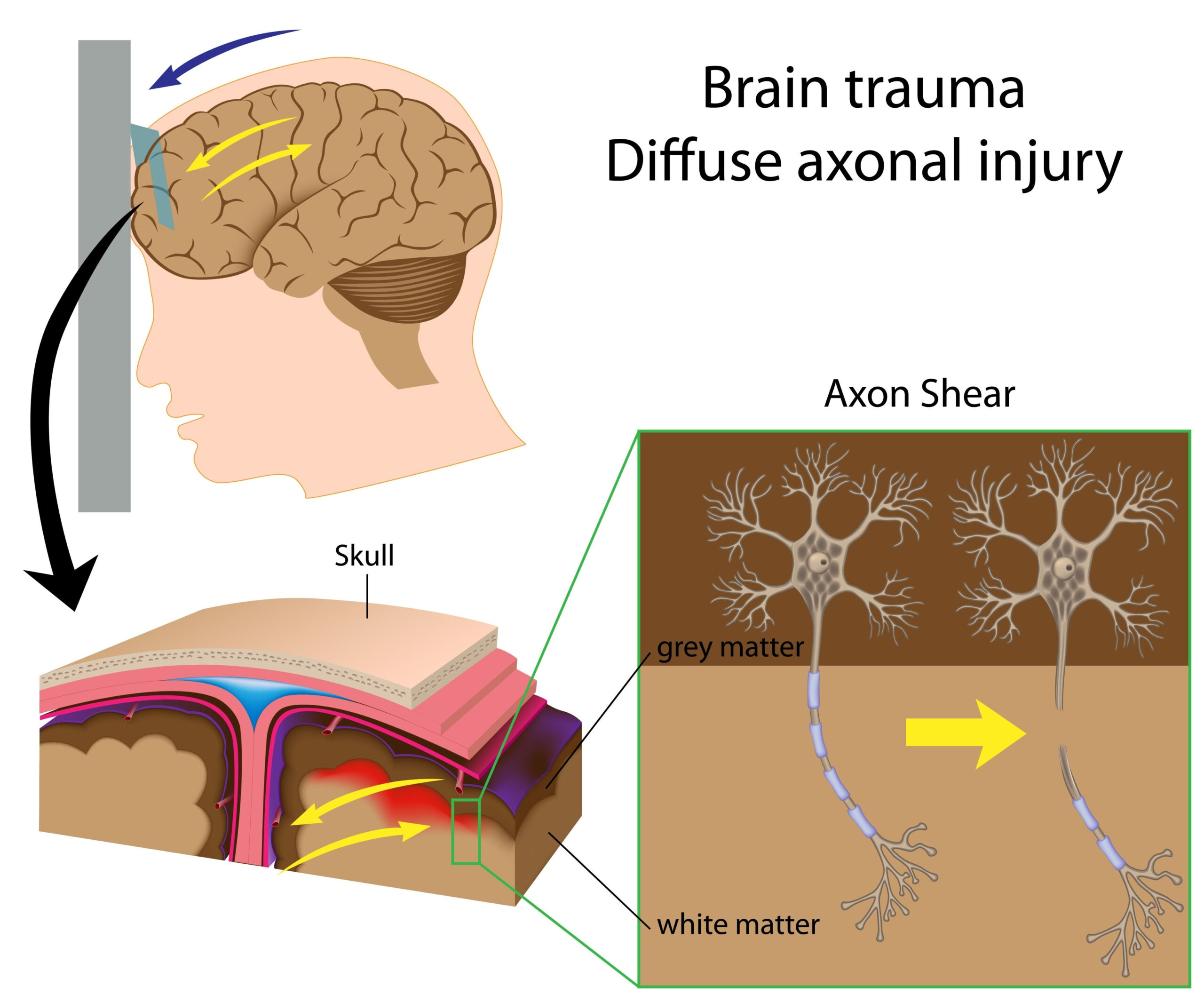
Blood samples were collected from all participants at the time of their initial evaluation to measure the levels of S100B, GFAP, and UCH-L1. These biomarkers were chosen due to their established relevance in brain injury scenarios; S100B is associated with glial cell stress and injury, GFAP (Glial Fibrillary Acidic Protein) indicates astrocyte activation, while UCH-L1 (Ubiquitin C-Terminal Hydrolase L1) is linked to neuronal injury. The levels of these biomarkers were quantified using sensitive immunoassays, which provided reliable measurements for analysis.
The study employed rigorous data collection protocols, ensuring the accurate entry and storage of clinical and biomarker data. Follow-up assessments were conducted to correlate the biomarker levels with clinical outcomes, including imaging studies such as CT scans and observation of recovery over time. Statistical analyses were performed utilizing appropriate methods to assess the diagnostic performance of the biomarkers. Specifically, receiver operating characteristic (ROC) curves and associated metrics, such as sensitivity, specificity, and predictive values, were calculated to evaluate how well each biomarker differentiated between mTBI and non-mTBI cases.
Moreover, ethical considerations were paramount throughout the study. Informed consent was obtained from all participants prior to enrollment, ensuring that they understood the nature of the study and their rights as participants. The research protocol was reviewed and approved by the relevant ethical committees, underscoring the commitment to maintaining high ethical standards in clinical research.
Through this detailed methodology, the MiTicBraIn cohort study aspired to generate valuable insights into the practical application of biomarker testing in emergency medicine, ultimately aiming to enhance the clinical decision-making process in cases of suspected mTBI.
Key Findings
The findings from the MiTicBraIn cohort study revealed important insights into the role of the biomarkers S100B, GFAP, and UCH-L1 in the detection of mild traumatic brain injuries (mTBI). Analysis of the collected data demonstrated that these biomarkers, when assessed in conjunction with clinical evaluations, significantly contributed to improved diagnostic accuracy for mTBI in a real-world setting.
Among the key observations, S100B levels were notably elevated in patients diagnosed with mTBI compared to those who did not have a brain injury. Statistically, the sensitivity of S100B in identifying mTBI was found to be robust, allowing clinicians to accurately identify patients who required further imaging or intervention. Specifically, the ROC curve analysis indicated that S100B had a high area under the curve (AUC), demonstrating its effectiveness as a standalone diagnostic tool.
GFAP also showed promising results, particularly in its correlation with more severe manifestations of brain injury. Elevated GFAP levels were associated with clinical symptoms such as prolonged confusion or loss of consciousness. Its sensitivity and specificity were substantial, reinforcing its potential utility as a biomarker for determining the severity of mTBI and guiding clinical management decisions. The study highlighted GFAP’s ability to enhance diagnostic stratification, especially in ambiguous cases where clinical judgment alone might fall short.
UCH-L1, while demonstrating a slightly different profile, still emerged as a critical biomarker within the study context. Its levels appeared to correlate with neuronal injury, adding another layer of information for clinicians tasked with evaluating head injuries. The findings suggested that UCH-L1 could be particularly beneficial in assessing early neuronal damage and potentially indicating longer-term consequences of mTBI.
Moreover, the combination of these biomarkers further enhanced diagnostic performance. When used together, S100B, GFAP, and UCH-L1 provided a complementary approach that improved overall sensitivity and specificity. As a result, this multimodal strategy could significantly reduce unnecessary imaging studies like CT scans, which are often overutilized in cases of head injury. The study emphasized that using these biomarkers in tandem with clinical assessments could lead to more confident management decisions in emergency departments.
Furthermore, the study underscored the importance of these findings in the context of clinical workflows. The implementation of biomarker testing could streamline processes in emergency care, minimize wait times for patients, and facilitate quicker access to appropriate treatments. Overall, the MiTicBraIn cohort study substantiated the diagnostic potential of S100B, GFAP, and UCH-L1 in mTBI evaluation, paving the way for further research and potential integration into standard emergency medicine protocols.
Strengths and Limitations
The MiTicBraIn cohort study possesses several strengths that enhance its contributions to the field of mild traumatic brain injury (mTBI) diagnosis. One significant advantage is the study’s prospective design, which allows for real-time data collection and reduces biases commonly associated with retrospective analyses. By focusing on a diverse population across various emergency departments in Belgium, the study’s findings are likely to be generalizable to similar clinical environments. This robust sampling enhances the validity of the results and reflects a realistic patient demographic, which is crucial for translating research into practice.
Moreover, the integration of biomarker analysis with traditional clinical assessments represents a notable advancement in mTBI diagnosis. The study provides evidence that the combination of S100B, GFAP, and UCH-L1 may offer a more nuanced understanding of brain injuries than clinical evaluation alone. This multimodal approach could assist in making more nuanced clinical judgments, particularly in ambiguous cases. By emphasizing the importance of biomarkers in conjunction with clinical assessments, the study paves the way for improved patient management strategies.
In addition, the rigorous methodology employed for data collection and statistical analysis bolsters the study’s findings. The use of established immunoassays to measure biomarker levels, combined with careful consideration of inclusion and exclusion criteria, ensures that the data are reliable and accurately reflect the participants’ conditions. Such thorough methodology enhances the credibility of the results and supports further exploration into clinical applications.
However, the study is not without its limitations. One notable constraint is the reliance on blood samples for biomarker analysis, which may not capture the full spectrum of brain injury severity or pathology. Although S100B, GFAP, and UCH-L1 are promising biomarkers, their levels can be influenced by various factors, including age, comorbid conditions, and the timing of sample collection post-injury. This variability might impact the test results and subsequently influence clinical decisions, thereby necessitating careful interpretation.
Furthermore, while the study focuses on three biomarkers, the complexity of mTBI and its heterogeneous presentation suggests the potential benefit of exploring additional markers that could provide a more comprehensive assessment. This limitation highlights the need for further studies to evaluate alternative biomarkers and to understand the full biochemical landscape associated with mTBI.
Another limitation involves the degree of follow-up assessments, as the study’s focus on immediate diagnostic capabilities might overlook long-term outcomes and the evolution of mTBI over time. Assessing the long-term implications of these biomarkers on recovery and rehabilitation would enhance understanding of their clinical relevance beyond initial diagnosis.
Lastly, there may be logistical challenges associated with implementing biomarker testing in real-world emergency settings, including cost, training, and the need for rapid turnaround of results. While the study demonstrates the potential benefits, these practical aspects must be considered to facilitate the integration of biomarker analysis into standard protocols for mTBI evaluation.
In summary, while the MiTicBraIn cohort study showcases significant strengths that enhance its findings and contributions to mTBI diagnosis, it also surfaces several limitations that warrant consideration. Continued research is essential to address these limitations, refine diagnostic strategies further, and explore avenues for practical application in emergency medicine.