Concussion Impact on Health
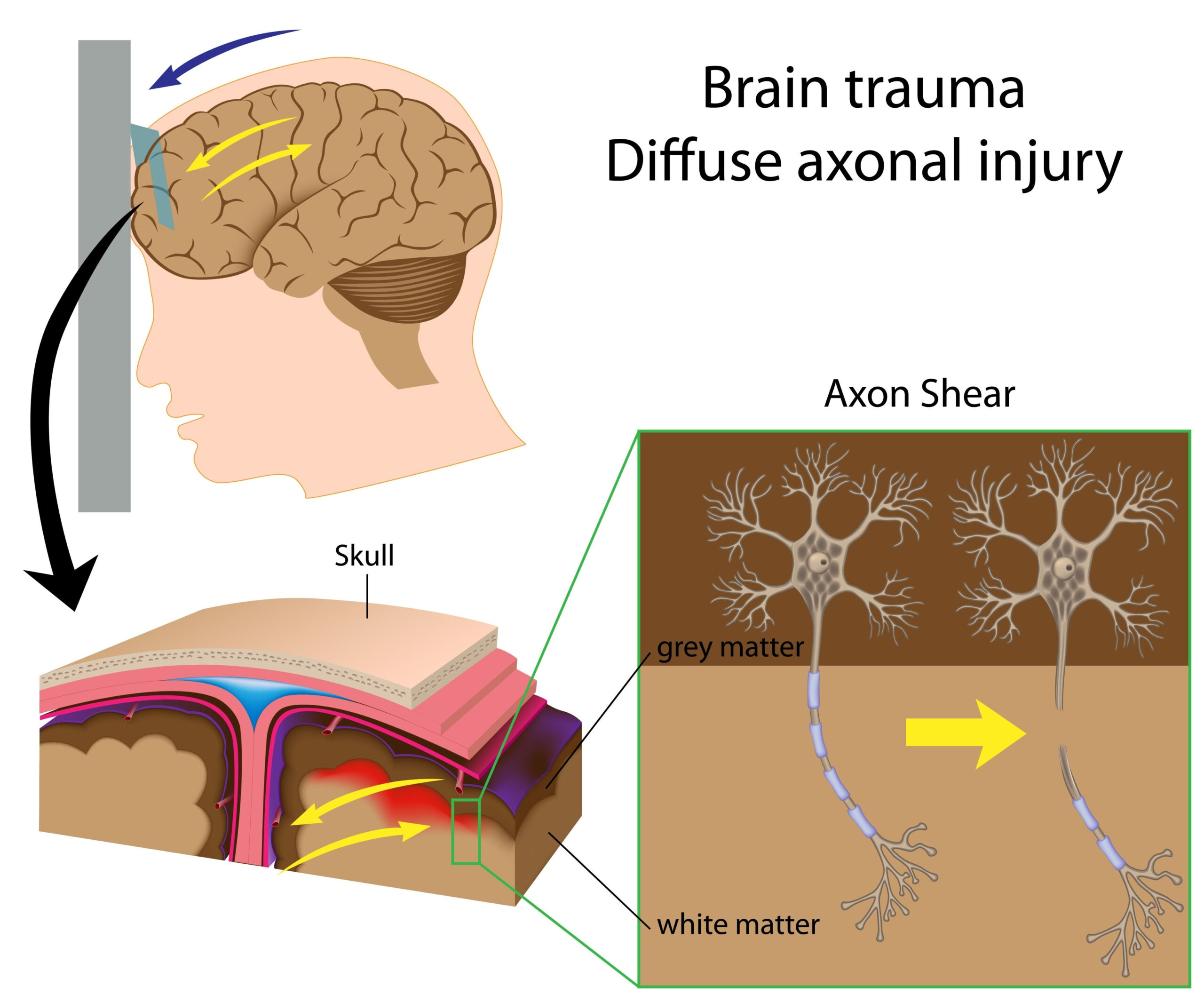
Concussions, often referred to as mild traumatic brain injuries (mTBIs), can have profound effects on physical and mental health. The brain, being a central organ in cognitive functionality and emotional regulation, is particularly vulnerable to the trauma incurred during a concussion. Individuals who experience this type of injury may exhibit a spectrum of symptoms, including headaches, dizziness, cognitive delays, and emotional disturbances. Research has increasingly highlighted that even a single concussion can lead to lasting changes in brain function and structure, which may contribute to the development of chronic health issues.
Longitudinal studies indicate that individuals who have sustained concussions are at an elevated risk for neurodegenerative diseases as they age. For instance, they may experience an increased likelihood of conditions such as chronic traumatic encephalopathy (CTE), a progressive neurodegenerative disease associated with repeated blows to the head. Symptoms of CTE include cognitive deficits, mood swings, and behavioral changes, all of which significantly impact quality of life (McKee et al., 2013).
Moreover, concussions can disrupt the balance of neurotransmitters, leading to persistent cognitive impairments and emotional disturbances. Studies show that many individuals report ongoing issues such as anxiety, depression, and concentration problems long after the initial injury has occurred. Recent research using neuroimaging techniques has revealed alterations in brain connectivity and structure in individuals who have experienced multiple concussions, suggesting that the impacts may be more extensive and enduring than previously understood (Bazarian et al., 2010).
The chronic effects of concussion also extend beyond neurology into physical health domains. For example, individuals may experience persistent headaches and other physical symptoms that affect daily functioning and overall well-being. Sleep disturbances often accompany these issues, creating a compounding effect on cognitive performance and emotional health as inadequate rest further exacerbates existing problems.
In the context of sports, where concussion incidence is notably high, there is a growing focus on the importance of proper management and prevention strategies. Education on recognizing the signs and symptoms of concussions and implementing appropriate protocols for evaluation and care is crucial in mitigating long-term health impacts. The evolving understanding of concussion-related health issues emphasizes the need for comprehensive and multidisciplinary approaches to treatment and recovery for affected individuals (McCrory et al., 2017).
The complexity of concussion impacts on health underscores the importance of ongoing research to unravel the underlying mechanisms of injury and recovery. This knowledge will be essential in developing effective treatment modalities and preventive measures to safeguard the health of individuals who are at risk for, or who have experienced, a concussion.
Research Design and Data Collection
The examination of concussion-related impairments necessitates a robust and systematic research design to accurately capture the multifaceted nature of these injuries. Researchers typically employ a combination of longitudinal studies, cross-sectional analyses, and case-control studies to evaluate the short- and long-term effects of concussions on various health outcomes. Longitudinal studies, in particular, allow for the observation of individuals over extended periods, thereby facilitating the assessment of changes in health status in relation to concussion history.
Data collection often involves both quantitative and qualitative methods. Standardized questionnaires and scales, such as the Sport Concussion Assessment Tool (SCAT) and the Post-Concussion Symptom Scale (PCSS), are commonly utilized to gather self-reported symptoms and functional impairments following a concussion. These tools enable researchers to quantify the severity and duration of symptoms, providing a clear framework for assessing cognitive, emotional, and physical health.
In addition to self-reported measures, objective data collection methods such as neuroimaging techniques play a crucial role in concussion research. Magnetic resonance imaging (MRI) and diffusion tensor imaging (DTI) are instrumental in examining structural and functional brain changes that may result from concussive injuries. These imaging modalities can identify alterations in brain tissue integrity and connectivity, providing insights into the biological underpinnings of chronic impairments associated with concussions.
Moreover, the importance of obtaining comprehensive medical histories cannot be overstated. Researchers often collect baseline data before injuries occur, allowing for comparisons post-concussion. This baseline data is critical in mitigating confounding variables and enhancing the reliability of study outcomes. Inclusion of diverse subject populations, encompassing different age groups, genders, and activity levels, further enriches the data set, fostering greater generalizability of findings across various demographics.
Ethical considerations are paramount in concussion research, particularly when involving vulnerable populations such as athletes or children. Informed consent processes must be carefully crafted, ensuring that participants understand the risks and implications of their involvement. Additionally, maintaining confidentiality and adhering to regulatory guidelines are essential to safeguard participant welfare.
Ultimately, effective research design and data collection strategies form the backbone of understanding concussion-related impairments. By utilizing a combination of subjective reports, objective assessments, and ethical considerations, researchers can unravel the complexities of concussions and their long-term health implications, thus informing clinical practices and policy measures to improve management strategies for affected individuals.
Chronic Impairment Outcomes
The consequences of concussions can manifest in various chronic impairments that persist long after the initial injury. One of the most documented outcomes is cognitive dysfunction, which can encompass difficulties in attention, memory, and executive function. Research suggests that these cognitive impairments may arise due to damage to neural pathways and altered brain chemistry resulting from the concussive event. Longitudinal studies have shown that athletes who have suffered multiple concussions exhibit significant memory deficits even years after their injuries, highlighting the potential for long-lasting cognitive decline (Guskiewicz et al., 2005).
Emotional and behavioral issues often accompany cognitive impairments in individuals with a history of concussion. Commonly reported symptoms include heightened anxiety levels, depression, and increased irritability. These issues can stem from neurobiological changes induced by the injury, as well as the psychosocial effects of living with persistent symptoms. A study found that individuals who experienced concussions were more likely to develop depressive disorders, indicating a substantial impact on mental health (Fields et al., 2016). The interplay between cognitive and emotional challenges can create a complex web of chronic impairment, affecting both personal and professional life.
Physical manifestations of chronic impairment, such as chronic headaches and migraines, are also frequently reported. Research indicates that more than 30% of individuals may continue to experience headaches several months post-injury, with subtypes of headaches varying from tension-type to migraine. The etiology of these headaches may relate to disruptions in neurotransmitter function, as well as physical changes in the craniofacial region due to concussion (Keiller et al., 2018). This pain can contribute to further complications, such as reduced quality of life and decreased functioning in daily responsibilities.
Sleep disturbances are a significant concern for those recovering from concussions, compounding the problem of chronic impairment. Studies reveal that individuals may suffer from insomnia, irregular sleep patterns, and excessive daytime sleepiness, which can exacerbate cognitive deficits and emotional instability (Murray et al., 2017). Sleep plays a critical role in cognitive recovery, and disruptions can hinder the healing process following a concussion.
It is also essential to recognize the risk of developing neurodegenerative conditions that may arise due to repeated concussive injuries. Increased evidence suggests a correlation between multiple concussions and degenerative diseases such as Alzheimer’s and CTE. This highlights the grave long-term implications for individuals with a history of concussions, particularly in contact sports (Daneshvar et al., 2011).
As researchers continue to investigate the scope of chronic impairments associated with concussions, the emphasis has shifted towards understanding their multifactorial origins. Variables such as age, sex, genetic predispositions, and the presence of prior injuries can significantly alter an individual’s trajectory following a concussion, complicating recovery and rehabilitation efforts. Comprehensive assessments aimed at identifying specific impairments can guide tailored interventions to address the unique needs of each individual.
This intricate landscape of chronic impairments resulting from concussions underscores the critical requirement for multidisciplinary approaches to rehabilitation and treatment. Healthcare professionals from fields such as neurology, psychology, and physical therapy must collaborate to devise effective management strategies that holistically address the diverse challenges faced by those affected.
Future Directions for Research
Future research on concussions and their long-term effects must focus on several key areas to improve understanding and management of these injuries. One essential direction involves the exploration of the underlying biological mechanisms that contribute to chronic impairments following a concussion. This includes studying the cellular and molecular changes that occur in the brain as a result of injury, which could uncover potential biomarkers for predicting recovery trajectories and identifying individuals who are at greater risk of developing chronic issues. Utilizing advanced imaging technologies and laboratory analyses, researchers can gain insights into the brain’s response to injury and how these responses differ among individuals.
Additionally, expanding the diversity of study populations will be critical in understanding the scope of concussion impacts across different demographics. Most existing research has focused on male athletes, particularly in contact sports, yet concussions can affect individuals regardless of age, gender, or activity level. Investigating how different groups experience and recover from concussions can inform tailored prevention and rehabilitation strategies. Ensuring representation from various backgrounds in clinical studies will enhance the generalizability of findings and improve health equity in care and treatment.
Longitudinal studies designed to trace the health outcomes of concussion survivors over extended periods are essential for capturing the full range of chronic impairments. Implementing large-scale cohort studies that begin before the occurrence of concussions and continue for several years can provide invaluable data on how immediate factors, such as the nature of the injury, the athlete’s health history, and intervention strategies influence long-term outcomes. These studies can also shed light on the cumulative effects of multiple concussions, providing critical information that could alter sports policies and injury management protocols.
To complement continuing investigations into biological and demographic factors, future research must also prioritize the effectiveness of treatment and rehabilitation protocols. Investigating various therapeutic approaches, such as cognitive rehabilitation, psychological interventions, and physical therapy, to determine their efficacy in alleviating symptoms and enhancing recovery will be vital. Randomized controlled trials can help establish evidence-based guidelines for practitioners, ensuring that individuals receive the most appropriate and effective care based on their specific circumstances.
Moreover, as awareness of concussion’s impact on health grows, there is an increasing need to explore the societal and relational dimensions following a concussion. Understanding how factors such as family support, workplace accommodations, and community resources affect recovery and adjustment can inform holistic treatment models that go beyond traditional medical care. Developing programs that integrate support systems into the recovery process will help individuals navigate the myriad challenges presented by post-concussion syndromes.
Collaboration among researchers, healthcare professionals, policymakers, and advocacy groups is paramount in driving the next phase of concussion research. By sharing findings, resources, and insights, stakeholders can align efforts to create comprehensive prevention, intervention, and education strategies. Fostering interdisciplinary partnerships will facilitate the translation of research outcomes into practical applications, promoting safer practices in sports and other areas where concussion risk is prevalent.