Study Overview
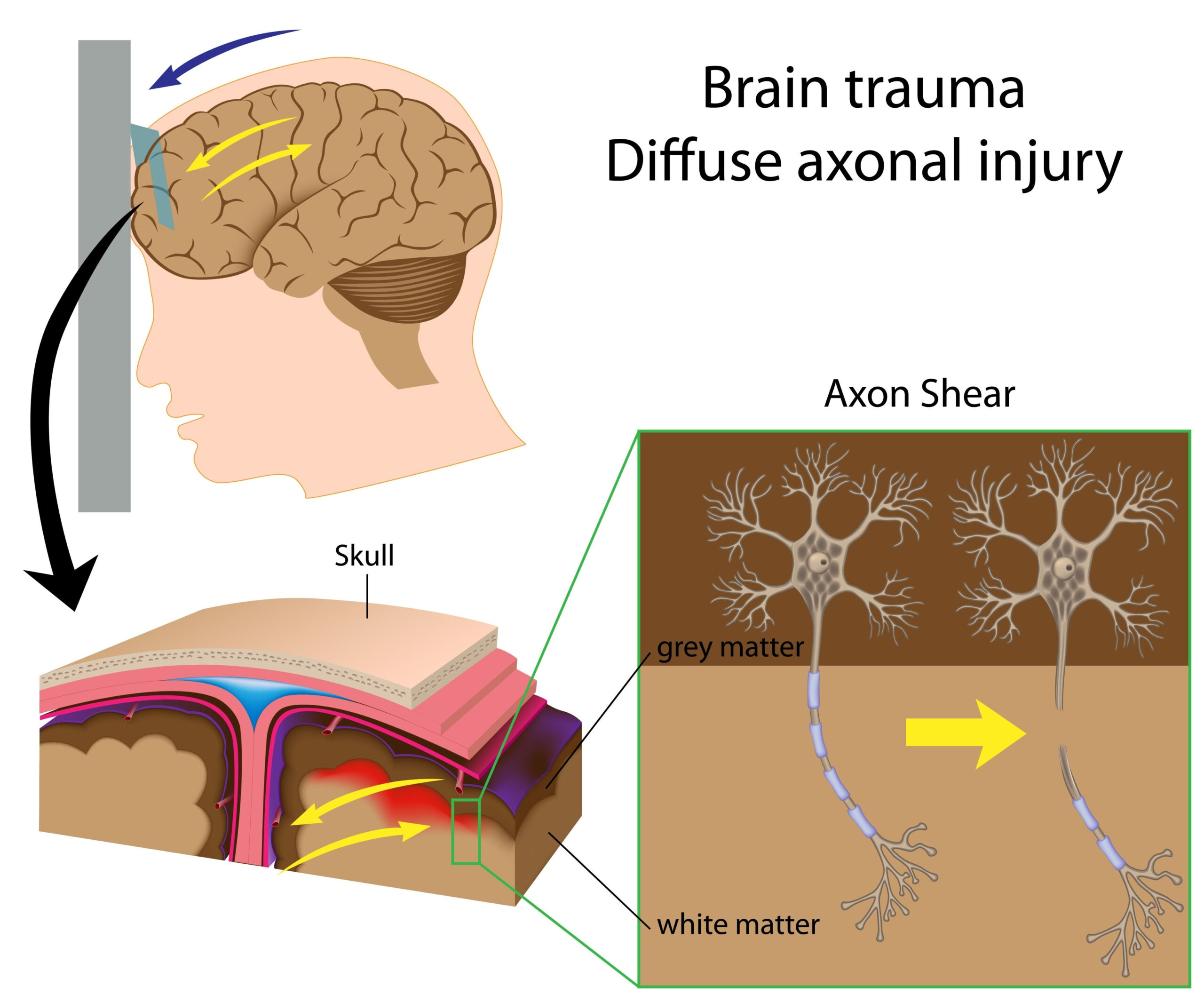
The research focused on the management and outcomes for patients presenting with mild traumatic brain injury (mTBI) coupled with isolated traumatic subarachnoid hemorrhage (tSAH). This condition poses unique challenges for clinical management and patient disposition due to the complex nature of brain injuries. The study aimed to analyze the in-hospital processes and outcomes of this specific patient population to improve understanding and inform future treatment protocols.
Key objectives included evaluating the demographic and clinical characteristics of the affected patients, as well as the treatment approaches employed during their hospital stay. By systematically examining how these patients are evaluated, treated, and ultimately discharged, the researchers sought to identify factors influencing both the short-term and long-term outcomes. This study utilized a retrospective design, drawing data from a comprehensive database of hospital admissions within a defined timeframe.
Particular attention was given to the frequency of adverse events and the need for surgical interventions, which are often critical in cases of hemorrhagic complications. Moreover, the study’s authors intended to uncover patterns in disposition outcomes, such as whether patients were discharged directly home, transferred to rehabilitation facilities, or required extended hospital stays. This analysis is vital because it can inform clinicians of the best practices in managing similar cases and help optimize care pathways for mTBI and tSAH patients. Ultimately, understanding these pathways will contribute to improving patient safety, minimizing complications, and enhancing recovery trajectories.
Methodology
The research methodology employed in this study was primarily retrospective, enabling the authors to utilize existing patient data collected over a specified period. This approach allowed for an efficient examination of a large sample size without the need for prospective data collection, which can be time-consuming and resource-intensive. Information was gathered from a comprehensive hospital admissions database, focusing on individuals diagnosed with mild traumatic brain injury alongside isolated traumatic subarachnoid hemorrhage.
Data extraction was meticulously conducted, concentrating on various demographic factors such as age, sex, and pre-existing medical conditions. Additionally, clinical characteristics, including Glasgow Coma Scale scores at admission, were recorded to assess the severity of the injuries. Through this structured data collection, the researchers aimed to achieve a clearer picture of how these factors correlated with the patients’ management and outcomes.
The analysis included an assessment of diagnostic imaging modalities utilized in the evaluation of these patients. Computed tomography (CT) scans were primarily used to identify the presence and extent of hemorrhage, while magnetic resonance imaging (MRI) was employed selectively based on clinical indications. Such imaging was essential for guiding treatment decisions and evaluating any progression of the condition during hospitalization.
In terms of management strategies, the researchers recorded the types of interventions that were implemented. This included both conservative management, such as observation and monitoring for neurological deterioration, and more invasive procedures, like surgical interventions aimed at alleviating intracranial pressure or addressing significant hemorrhage. The decision-making process for choosing between these management approaches was examined, taking into account clinical guidelines and the attending physician’s judgment.
Furthermore, patient outcomes were meticulously analyzed, ranging from immediate in-hospital events, such as the need for intensive care, to discharge planning and follow-up recommendations. The study also considered patient safety metrics by tracking the incidence of potential complications, including rebleeding and associated neurological deficits, to evaluate the robustness of the management strategies employed.
Discharge dispositions were categorized into major groups—home, rehabilitation facility, or continued hospitalization—allowing for an exploration of the factors that influenced these outcomes. Targeted statistical analyses were employed to identify correlations and potential predictors of successful recovery and safe transition from hospital care, enabling the researchers to draw evidence-based conclusions.
Overall, this methodical approach ensured a thorough examination of the in-hospital management and outcomes for patients with mild traumatic brain injury and isolated traumatic subarachnoid hemorrhage, providing valuable insights into the complexities of care within this specific patient population.
Key Findings
The analysis uncovered several critical findings regarding the in-hospital management and outcomes for patients suffering from mild traumatic brain injury (mTBI) alongside isolated traumatic subarachnoid hemorrhage (tSAH). Among the population studied, a notable demographic pattern emerged, with most patients being young adults, which reflects the prevalence of such injuries in active and high-risk age groups. The average age of patients was found to be around 35 years, with a slightly higher incidence in males than females, aligning with existing literature on traumatic brain injury demographics.
Clinical assessments at admission indicated that the majority of patients presented with Glasgow Coma Scale (GCS) scores in the mild range (13-15). This detail is significant as it emphasizes the generally preserved neurological function at initial evaluation, suggesting that while these patients may appear stable, variations in clinical management are crucial to prevent complications from the hemorrhage. The study highlighted that approximately 30% of patients experienced at least one adverse event during their hospitalization, including episodes of increased intracranial pressure requiring close monitoring.
Diagnostic imaging results were pivotal to guiding treatment plans and revealed that CT scans were predominantly used, demonstrating a high sensitivity for detecting subarachnoid hemorrhages. MRI was utilized in select cases, particularly when neurological changes prompted further exploration. Importantly, instances of rebleeding were documented in a small subset of patients, underscoring the need for vigilant monitoring post-admission.
Regarding management strategies, conservative treatment was the most common approach, with nearly 60% of patients managed through observation and supportive care. For those who did require surgical intervention, it usually aimed to relieve intracranial pressure or evacuate a hematoma, prompting a need for a multidisciplinary case approach involving neurosurgeons, neurologists, and critical care teams. The decision to proceed with surgical options was typically based on imaging findings, along with the patient’s clinical trajectory.
Disposition outcomes revealed that a significant proportion of patients, around 70%, were discharged to their homes after a brief hospital stay, reflecting a favorable trajectory for most individuals in this cohort. However, approximately 20% of the patients required transfer to rehabilitation facilities, particularly those who demonstrated cognitive deficits or needed ongoing support for daily living activities. A small portion, about 10%, remained hospitalized for prolonged observation due to complications or persistent symptoms.
Statistical analyses performed indicated that certain predictors, such as age, initial GCS scores, and the presence of comorbidities, were significantly associated with longer hospitalizations and the likelihood of rehabilitation placement. Interventions such as timely surgical decisions and adherence to clinical protocols played a vital role in optimizing outcomes for these patients.
Overall, the findings highlight the need for tailored management strategies for patients with mTBI and isolated tSAH, emphasizing the balance between conservative and aggressive treatment pathways based on individual risk factors and real-time clinical assessments. These insights are critical for healthcare providers, guiding best practices aimed at minimizing complications and enhancing recovery for this vulnerable patient population.
Clinical Implications
The insights gained from this study regarding the in-hospital management and outcomes for patients with mild traumatic brain injury (mTBI) and isolated traumatic subarachnoid hemorrhage (tSAH) carry significant implications for clinical practice. The demographic profiling of the patient population provides a foundation for healthcare providers to anticipate the characteristics of individuals they are likely to encounter. Understanding that young adults, particularly males, constitute the majority of cases can guide targeted education and prevention strategies aimed at this demographic to reduce the incidence of such injuries.
The initial assessment findings, highlighted by the prevalence of mildly impaired Glasgow Coma Scale (GCS) scores, suggest that patients may present with stable neurological function despite the underlying risk of complications, such as increased intracranial pressure. This underlines the necessity for ongoing monitoring and reassessment of these patients even when they initially appear stable. The study advocates for vigilance in observing subtle neurological changes, reinforcing the importance of using standardized assessment protocols to ensure timely intervention when deterioration occurs.
Moreover, the identification of the 30% adverse event rate emphasizes the need for healthcare institutions to implement specific monitoring protocols for patients with mTBI and tSAH. Hospitals should ensure that resources are allocated for neurological assessments, as well as establish clear guidelines for early intervention strategies to manage increased intracranial pressure, reinforcing the requirement for a multidisciplinary approach in the care of these patients. The collaboration between emergency clinicians, neurosurgeons, and critical care specialists becomes paramount in delivering comprehensive care that can effectively address the complexities of these cases.
The management strategies deployed—predominantly conservative—highlight a significant trend towards less invasive interventions for patients who can be monitored effectively without immediate surgical action. This approach is supported by the data showing that conservative management was successful for a majority of patients. However, the small cohort requiring surgical intervention indicates a need for clear criteria to guide decision-making processes in surgical cases. Developing evidence-based clinical pathways that consolidate the intelligence gathered from various specialties can optimize both patient outcomes and resource utilization within healthcare systems.
Discharge planning and outcomes reveal important considerations for ongoing patient care post-discharge. With 70% of patients returning home while 20% required rehabilitation, healthcare providers must ensure a robust transition plan that includes adequate follow-up support. Establishing communication channels with outpatient services and rehabilitation facilities is essential to facilitate smooth transitions and continuity of care. It is crucial for clinicians to engage patients and their families in understanding the recovery process and the potential need for rehabilitative services, fostering an environment that encourages proactive participation in their journey to recovery.
The analysis offers valuable insights into potential predictors that influence patient outcomes, such as age, GCS scores at admission, and pre-existing comorbidities. This data serves as a critical tool for risk stratification, enabling clinicians to identify patients who may require more intensive monitoring or alternative management approaches. Tailoring care to the individual patient not only enhances safety but also broadens the understanding of which factors most significantly impact recovery trajectories.
In summary, the findings from this study underscore the necessity of personalized, attentive management strategies for patients experiencing mTBI with tSAH to minimize complications and foster optimal recovery. The integration of these insights into clinical protocols can pave the way for enhanced patient safety, inform training for medical staff, and ultimately improve health outcomes for this vulnerable patient population.