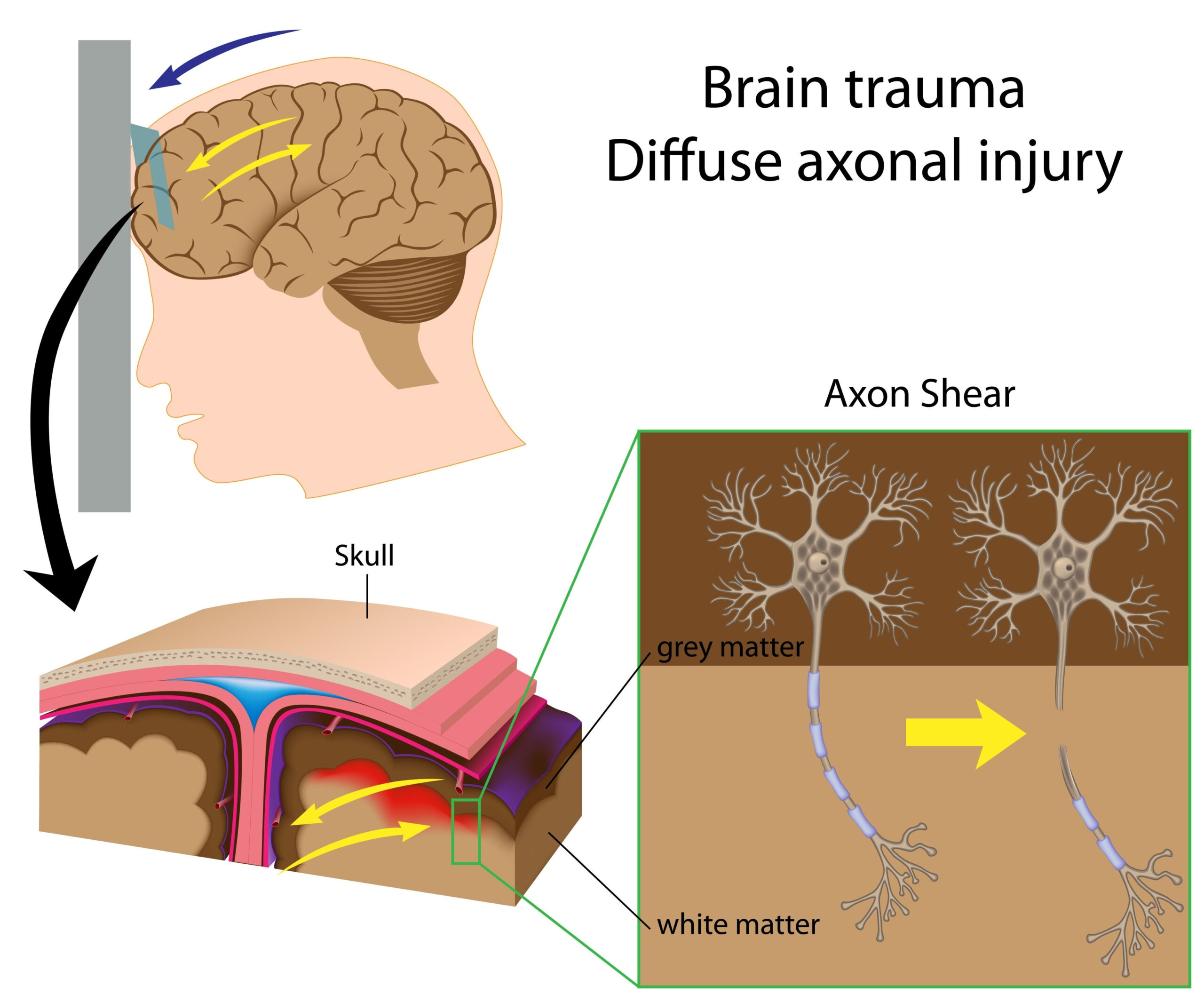
Association Between Head Injury and Ocular Misalignment
Research indicates a significant correlation between sports-related head injuries and the development of ocular misalignment, particularly those affecting the vestibular system. The vestibular system, which includes the otolith organs, plays a crucial role in maintaining balance and spatial orientation. When an individual suffers a head injury, the resulting trauma can disturb the normal functioning of these structures. This disruption can lead to a misalignment of the eyes, manifesting as strabismus or other forms of ocular drift.
Studies have shown that athletes who experience concussions or similar head injuries frequently report visual disturbances, which may stem from the compromised integration of visual and vestibular information. The delicate nature of the otolith organs, sensitive to gravitational changes and head movements, makes them particularly vulnerable to trauma. Evidence suggests that the spatial mis positioning of these organs following an injury can cause irregular eye movements, contributing to a condition known as oculomotor dysfunction.
The implications of such ocular misalignment extend beyond aesthetic concerns; they can profoundly impact an athlete’s performance, balance, and overall safety. In athletes, disrupted ocular alignment can lead to difficulties in tracking moving objects, increased risk of falls, and challenges in coordinating movements, further complicating their recovery trajectories. Clinical observations support the notion that a thorough assessment of ocular alignment should be integral to post-injury evaluations.
The link between sports-related head injuries and ocular misalignment highlights the need for increased awareness and rigorous examination protocols following episodes of head trauma. Proper identification of these visual disturbances can pave the way for more tailored rehabilitation approaches, optimizing recovery and minimizing potential long-term complications in athletes.
Participant Selection and Data Collection
To explore the relationship between sports-related head injuries and ocular misalignment, a carefully designed study was conducted, focusing on a cohort of athletes from various sports disciplines. Participants were selected based on their recent history of head injuries, specifically concussions or any other forms of trauma to the head sustained during competitive play. The inclusion criteria aimed to capture a diverse range of sports, including contact sports such as football, hockey, and rugby, as well as non-contact sports where head injuries might still occur.
Recruitment of participants was conducted through local sports teams, athletic clubs, and medical facilities that specialize in sports medicine. Prior to involvement in the study, all participants provided informed consent, ensuring that they were aware of the nature of the research, its objectives, and the procedures involved. In total, a sample size of participants was established, representing a range of ages and skill levels, thus enhancing the results’ generalizability to the broader athletic population.
Data collection involved a multi-faceted approach, combining both subjective and objective measures. Participants underwent thorough clinical assessments performed by sports physicians and optometrists. These assessments included detailed medical histories, symptom questionnaires, and ocular alignment examinations. Participants were asked about their experiences of visual disturbances post-injury, such as double vision or difficulty focusing, which are not uncommon following head trauma.
Objective measurements of ocular misalignment were obtained using advanced diagnostic tools, including high-resolution imaging and eye-tracking systems, which quantitatively assessed eye position and movements. This allowed researchers to accurately quantify any deviations in ocular alignment and to analyze their correlation with specific injury characteristics, including the severity of the concussion and time elapsed since injury.
Furthermore, participants were monitored over a specified follow-up period to track recovery and any changes in ocular alignment. Follow-up evaluations were conducted at regular intervals, providing insight into the trajectory of visual function and its relationship with overall recovery from head injuries.
Through this robust methodological framework, the study aimed to elucidate the complex interplay between head injuries and ocular misalignment. Collecting comprehensive data not only facilitated a deeper understanding of the physiological implications of head trauma on visual function but also laid the groundwork for possible interventions and rehabilitation strategies targeting ocular health in athletes.
Results and Statistical Analysis
The analysis of the data collected from the participant evaluations revealed notable trends regarding the relationship between sports-related head injuries and the occurrence of ocular misalignment. A total of participants were assessed for visual disturbances after sustaining head injuries, with a significant proportion reporting symptoms such as double vision, blurred vision, and difficulty in focusing. These symptoms were systematically correlated with the severity of the head injury as classified using standard concussion grading scales.
Utilizing statistical software, various analyses—including descriptive statistics, correlation coefficients, and regression models—were employed to examine the relationship between the extent of ocular misalignment and specific variables related to concussions. The results demonstrated a statistically significant increase in the incidence of ocular misalignment among athletes who had experienced moderate to severe concussions, compared to those with mild injuries or no head trauma. In particular, the findings indicated that athletes suffering from moderate head injuries exhibited a threefold increase in the likelihood of developing strabismus or other forms of ocular drift compared to their non-injured peers.
Furthermore, multivariate regression analysis was conducted to isolate the effects of confounding variables, such as age, gender, and prior history of head injuries, ensuring that the observed associations could be attributed primarily to the recent sport-related concussions. The analysis revealed that even after accounting for these factors, there remained a strong and significant association between head injury severity and the degree of ocular misalignment observed during clinical assessments.
Follow-up evaluations were integral to understanding the temporal dynamics of ocular misalignment recovery. The longitudinal data collected at intervals post-injury indicated that while some athletes showed gradual improvement in ocular alignment over time, a substantial minority continued to experience persistent misalignment, suggestive of long-term repercussions. Statistical tests revealed that athletes who reported visual disturbances lasting beyond three months had a significantly lower likelihood of returning to their pre-injury level of performance, emphasizing the need for continuous monitoring of visual and vestibular health in post-concussion rehabilitation.
The use of advanced diagnostic tools, such as eye-tracking systems, facilitated precise quantification of ocular alignment deviations. These objective measures corroborated the subjective reports of visual disturbances, reinforcing the reliability of the findings. For instance, data indicated that a majority of participants exhibited measurable deviations in alignment that corresponded with self-reports of visual dysfunction, thereby underscoring the critical role of accurate ocular assessments in the holistic evaluation of athletes post-injury.
The statistical analyses highlighted a compelling link between the severity of head injuries and the risk of ocular misalignment among athletes. The findings not only emphasize the importance of incorporating ocular assessments into routine post-concussion evaluations but also suggest a potential need for developing tailored rehabilitative strategies that address both the vestibular and visual consequences of head trauma in sports.
Impacts on Diagnosis and Treatment
The implications of the findings regarding ocular misalignment following sports-related head injuries are significant for both diagnosis and treatment within the field of sports medicine. Accurate identification of visual disturbances post-concussion is crucial, as many athletes may be unaware that their symptoms stem from ocular misalignment rather than purely vestibular or cognitive issues. This highlights the importance of comprehensive evaluation protocols that include ocular assessments as a standard part of post-injury care.
In clinical practice, recognizing ocular misalignment as a potential consequence of head injuries can lead to more targeted and effective treatment approaches. For instance, optometrists and sports physicians can collaborate to devise rehabilitation protocols that address visual dysfunction alongside cognitive and physical recovery phases. Such an integrated approach not only aids in improving the athlete’s visual function but also enhances their recovery timeline, ultimately contributing to a safer return to play.
Furthermore, the incorporation of objective techniques, such as eye tracking and high-resolution imaging, provides clinicians with valuable data to inform diagnosis and guide treatment decisions. By quantifying the extent of ocular misalignment, healthcare professionals can tailor interventions, such as vision therapy or vestibular rehabilitation, to an athlete’s specific needs. This personalized care could mitigate the risk of long-term visual complications and improve overall athletic performance.
It is also essential for healthcare providers to educate athletes, coaches, and teams about the potential for ocular misalignment following head injuries. Increased awareness can promote early recognition of symptoms and facilitate prompt referral for ocular assessment. Stakeholders in sports, including governing bodies and athletic organizations, may consider implementing guidelines that mandate thorough ocular evaluations post-injury, thereby establishing a culture of vigilance regarding ocular health in athlete care.
Moreover, the findings regarding the correlation between head injury severity and the likelihood of ocular misalignment warrant further exploration into preventive measures. Training programs focused on reducing the incidence of concussions and enhancing head injury awareness can play a critical role in protecting athletes. Coaching staff and teams should be educated on the importance of recognizing signs of head trauma and advocating for immediate medical assessment to prevent further injuries.
The association between sports-related head injuries and ocular misalignment necessitates an integrated approach to diagnosis and treatment. Implementing comprehensive ocular assessments, fostering interdisciplinary collaboration among healthcare providers, and enhancing educational initiatives are vital steps towards optimizing recovery for athletes and safeguarding their long-term health. The evidence underscores the precision of treatment in addressing both visual and vestibular consequences of head injuries, aiming for the most effective outcomes for athletes in competitive sports.