Study Overview
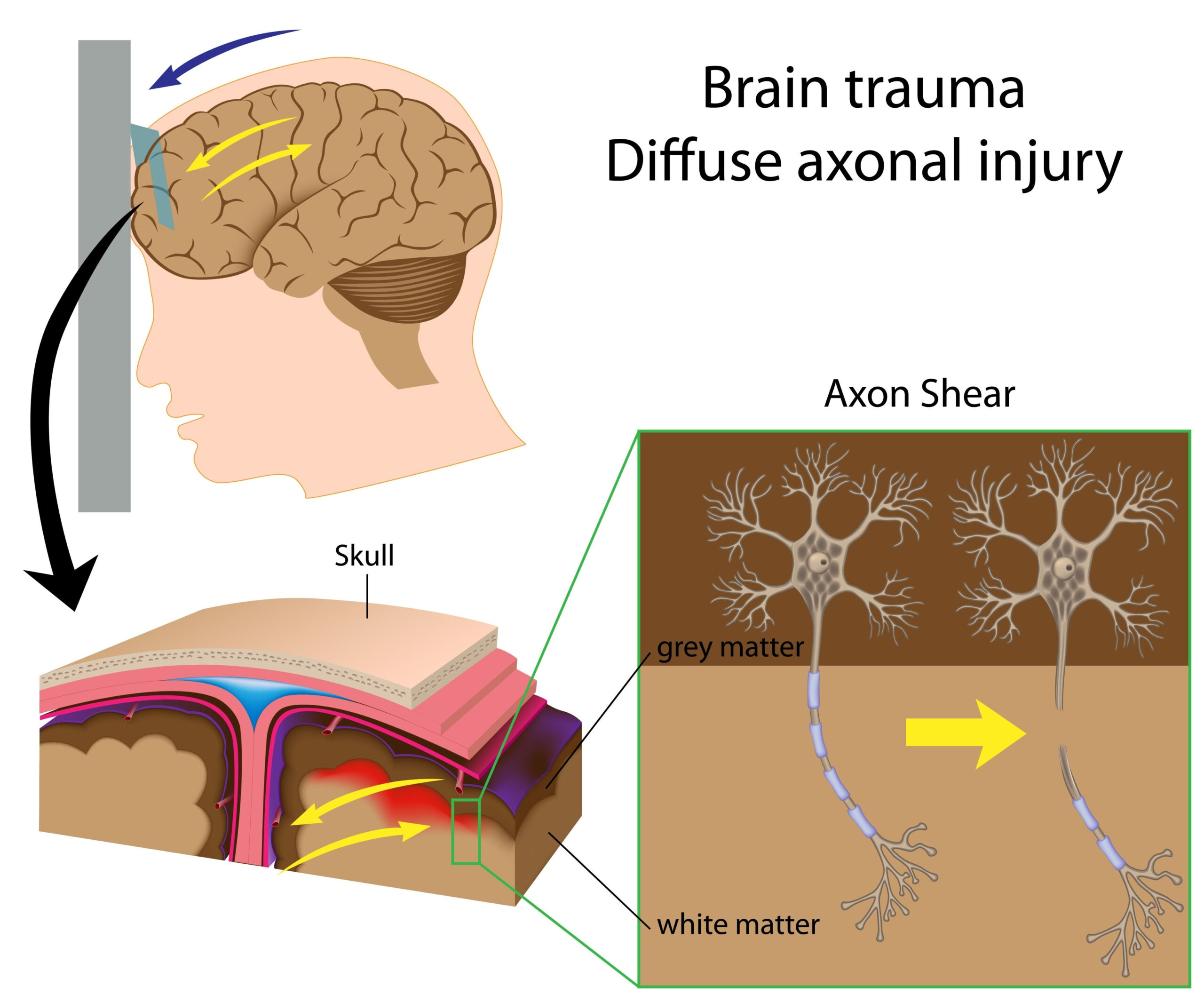
This systematic review focuses on the emerging role of urinary biomarkers in the assessment of traumatic brain injury (TBI). The increasing recognition of TBI as a significant public health concern due to its prevalence and impact on quality of life has spurred research into more effective diagnostic and prognostic tools. Traditional methods for evaluating TBI, such as CT scans and clinical assessments, often have limitations, particularly in detecting mild cases or assessing the extent of brain injury at an early stage.
Researchers have identified various biomarkers released into the urine following brain injury, which could serve as non-invasive indicators of neuronal damage and inflammation. These biomarkers include proteins, metabolites, and other molecular signatures that reflect the physiological status of the central nervous system following trauma. Collectively, these findings indicate a promising avenue for developing new diagnostic strategies that could complement existing methodologies.
The review synthesizes findings from numerous studies that have investigated the association between urinary biomarkers and TBI outcomes. By analyzing diverse research reports, the authors aim to evaluate the reliability and validity of these biomarkers in clinical settings. The overarching goal is to enhance early detection methods, guide therapeutic decisions, and ultimately improve patient outcomes in those suffering from TBI.
By focusing on urinary biomarkers, this review highlights the potential for a less invasive approach to monitoring brain injuries, which could prove invaluable in emergency and acute care scenarios. This shift towards biomarkers may not only streamline the assessment process but also facilitate timely interventions that could significantly alter the recovery trajectory for patients with traumatic brain injuries.
Methodology
The systematic review adhered to stringent methodological guidelines to ensure a comprehensive and unbiased collection of relevant research studies investigating urinary biomarkers in the context of traumatic brain injury. A thorough literature search was conducted across several electronic databases, including PubMed, Embase, and Cochrane Library. Keywords such as “urinary biomarkers,” “traumatic brain injury,” “TBI,” and “diagnosis” were utilized to identify studies published up to October 2023 that documented the association between urinary biomarker levels and TBI outcomes.
Inclusion criteria for selecting studies involved those that specifically examined urinary biomarkers in patients diagnosed with TBI, with a clear delineation of measurement techniques, outcome assessments, and sample characteristics. Only peer-reviewed articles were considered, ensuring the credibility and rigor of the findings. Studies focusing solely on animal models or those without clear outcomes related to TBI were excluded from the review.
The quality of the included studies was assessed using established criteria for evaluating observational studies, encompassing the clarity of study design, sample size, data collection methods, and the robustness of statistical analysis. Meta-analysis techniques were applied where appropriate to synthesize quantitative data, allowing for an estimation of effect sizes and correlation coefficients between urinary biomarker levels and clinical outcomes, such as Glasgow Coma Scale (GCS) scores, imaging findings, and long-term recovery results.
The review process was performed independently by multiple researchers to minimize bias, with disagreements resolved through consensus or consultation with a third reviewer. Data extraction focused on critical elements, including type and concentration of urinary biomarkers assessed, methods of detection, demographic and clinical characteristics of participants, and key findings related to the relevance of biomarkers as prognostic indicators in the context of TBI.
Descriptive statistical methods were employed to summarize the findings from the included studies, while heterogeneity among studies was assessed to understand variations in results. This systematic approach not only ensured a comprehensive evaluation of available research on urinary biomarkers in TBI but also highlighted gaps in the current literature and areas for future inquiry. Ultimately, the goal was to provide a thorough understanding of how urinary biomarkers could potentially transform the landscape of TBI assessment and management.
Key Findings
A comprehensive analysis of the studies reviewed reveals several crucial insights regarding the relationship between urinary biomarkers and traumatic brain injury. The findings underscore the potential of these biomarkers not only as diagnostic tools but also as indicators of injury severity and prognostic factors that can influence treatment decisions.
One of the most consistently identified urinary biomarkers in relation to TBI is S100B, a protein associated with astrocyte activation and neuronal damage. Elevated levels of S100B in urine have been correlated with higher injury severity as assessed by clinical scales, including the Glasgow Coma Scale (GCS). This biomarker has shown promise in distinguishing between mild and severe forms of TBI, suggesting that it could be integrated into routine assessments to better stratify patients based on their risk profiles.
Additionally, neuron-specific enolase (NSE) has also emerged as a significant marker. Studies indicated a strong association between urinary NSE levels and the presence of intracranial abnormalities on imaging, such as contusions or hemorrhages. This correlation emphasizes the potential for NSE to serve as a non-invasive indicator of brain injury that could facilitate timely neuroimaging or intervention, especially in emergency settings.
Another noteworthy finding relates to the presence of glial fibrillary acidic protein (GFAP) in urine. Research has demonstrated that elevated urinary GFAP levels can predict adverse outcomes in TBI patients, including prolonged unconsciousness and increased likelihood of developing secondary complications. The rapid detection of GFAP could enable healthcare providers to implement early interventions that might mitigate long-term deficits associated with TBI.
Moreover, the analysis showed variability in the biomarker profiles among children and adults, indicating a potential need for age-specific reference ranges and clinical thresholds. Pediatric patients may exhibit different patterns of biomarker release, influenced by physiological differences that warrant tailored approaches to assessment and treatment.
In terms of methodology, the studies varied widely in the timing of biomarker measurement post-injury, sample sizes, and definitions of TBI severity. These discrepancies highlight an important area for future research to establish standardized protocols for the collection and analysis of urinary biomarkers. The heterogeneity encountered also reflects the need for larger, multicenter studies to validate findings across diverse populations and settings.
The review also pointed out a potential challenge in the multiplex analysis of biomarkers, suggesting that a panel of urinary biomarkers might outperform single markers in predicting outcomes. Integrating multiple biomarkers could provide a more comprehensive picture of neuronal health and recovery trajectories, empowering clinicians to make informed decisions tailored to the individual patient’s condition.
Overall, the findings clearly indicate that urinary biomarkers represent a promising frontier in the diagnosis and management of TBI. With continued research and validation, incorporating these biomarkers into clinical practice could enhance patient care by offering timely insights into injury severity and recovery potential, ultimately leading to better patient outcomes.
Clinical Implications
The exploration of urinary biomarkers in traumatic brain injury (TBI) opens significant avenues for improving clinical practices and patient management. The consistent correlation between urinary biomarker levels and injury severity suggests that these non-invasive tests could supplement traditional diagnostic measures, enhancing early identification of patients at higher risk for complications. This capability is particularly crucial, given the challenges in assessing mild TBI cases, which often escape detection with conventional imaging techniques like CT scans.
Integrating urinary biomarkers into clinical protocols could streamline triage processes in emergency departments, allowing healthcare professionals to prioritize interventions based on objective biomarker assessments. For instance, elevated levels of biomarkers such as S100B and neuron-specific enolase (NSE) could rapidly alert clinicians to the likelihood of significant brain injury, guiding decisions regarding the need for immediate neuroimaging or surgical intervention.
Moreover, urinary biomarkers may also serve a dual role in monitoring recovery. As patients progress through their treatment, serial measurements of these biomarkers could provide valuable feedback on the healing process, indicating whether neurological function is improving or if there are signs of deterioration. Such dynamic assessments could allow for timely adjustments in therapeutic strategies tailored to the individual’s recovery trajectory.
In pediatric populations, the differential biomarker profiles observed necessitate the development of age-specific clinical guidelines. Given that children may exhibit distinct biomarker responses due to developmental differences, establishing tailored thresholds for intervention could optimize care in this vulnerable group, reducing the risk of long-term cognitive and physical sequelae.
The ability to non-invasively assess the biochemical status of the central nervous system through urine analysis stands to greatly reduce the burden on patients, eliminating the need for invasive procedures that typically accompany brain injury assessments. This shift towards less invasive diagnostic methods addresses not only the comfort of patients but also logistical concerns in emergency situations where rapid decision-making is critical.
Furthermore, with the promise of integrating multiple biomarkers into a comprehensive assessment panel, clinicians could achieve a more holistic view of a patient’s condition. Multiplex analysis allows for the simultaneous evaluation of various biomarkers, enhancing diagnostic accuracy and predictive power regarding patient outcomes. Such an approach aligns with the trend towards personalized medicine, where treatment is increasingly customized based on individual patient profiles and responses to injury.
Furthermore, the clinical relevance of urinary biomarkers extends beyond immediate injury assessment; they also have implications for long-term monitoring and rehabilitation strategies post-TBI. Identifying biomarkers associated with adverse outcomes enables healthcare providers to stratify patients into different risk categories, thereby guiding rehabilitation efforts aimed at mitigating long-term deficits associated with TBI.
In summary, the advancement of urinary biomarkers in TBI management presents a transformative potential for clinical practice. As ongoing research further elucidates their utility, standardization of measurement protocols and clinical guidelines will be vital for ensuring consistency and reliability in their application, ultimately leading to improved care pathways for patients affected by traumatic brain injuries.